Your Cognitive Reasoning Skills Get Worse

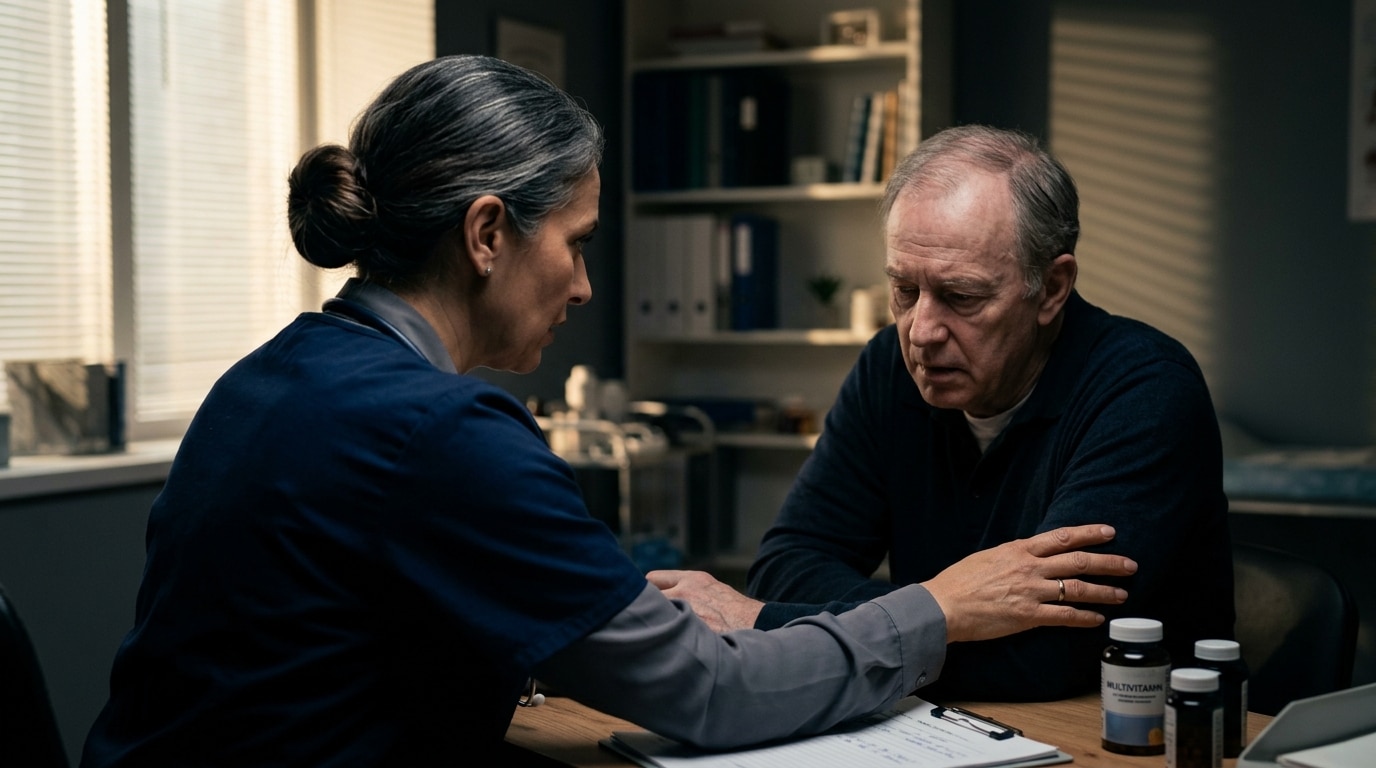
As you get into your later years, it’s not just your physical skills that decline. Your cognitive skills, such as memory and reasoning, can also start to deteriorate, which can be due to many factors, including the natural aging process, changes in lifestyle, and health conditions. One of the most common age-related cognitive problems is mild cognitive impairment (MCI). MCI can cause people to have difficulty remembering names or appointments, and they may also have trouble with basic tasks like balancing a checkbook. While MCI does not necessarily lead to dementia, it is a risk factor for developing the condition.
Other risk factors for cognitive decline include high blood pressure, diabetes, and depression. Fortunately, there are steps that people can take to help prevent cognitive decline. These include maintaining a healthy lifestyle, staying socially active, and doing brain-stimulating activities such as puzzles and crosswords. By taking these steps, people can help keep their minds sharp as they age.
You Are Less Likely To Catch A Cold

It’s a common misconception that you are more likely to catch a cold as you age. Studies have shown that the opposite is true. As you age, your body becomes better at fighting off infection, partly due to the development of immunity and the increased production of antibodies. Furthermore, the elderly are more likely to take preventative measures such as vaccinating and washing their hands regularly.
These factors contribute to the reduced likelihood of catching a cold with age. So while you may not be able to avoid all illnesses, you can take comfort in knowing that your risk of catching a cold declines as you get older.
You Get More Warts

When most people think of warts, they think of those pesky growths on their hands and fingers. However, warts can appear anywhere on the body. They are generally harmless, caused by viruses in the human papillomavirus (HPV) family. Warts are more common in children and young adults but can occur at any age. While HPV infections are usually through direct contact with someone with the virus, it is possible to contract HPV from surfaces such as towels or door handles.
Age is a risk factor for warts because the immune system weakens with age, making it more difficult for the body to fight off HPV infections. In addition, cuts or other breaks in the skin make it easier for the virus to enter the body. Warts are usually benign and go away on their own, but in some cases, they can be painful or cause discomfort. If you have a wart causing problems, your doctor can prescribe treatments to remove it.
You Sweat Less
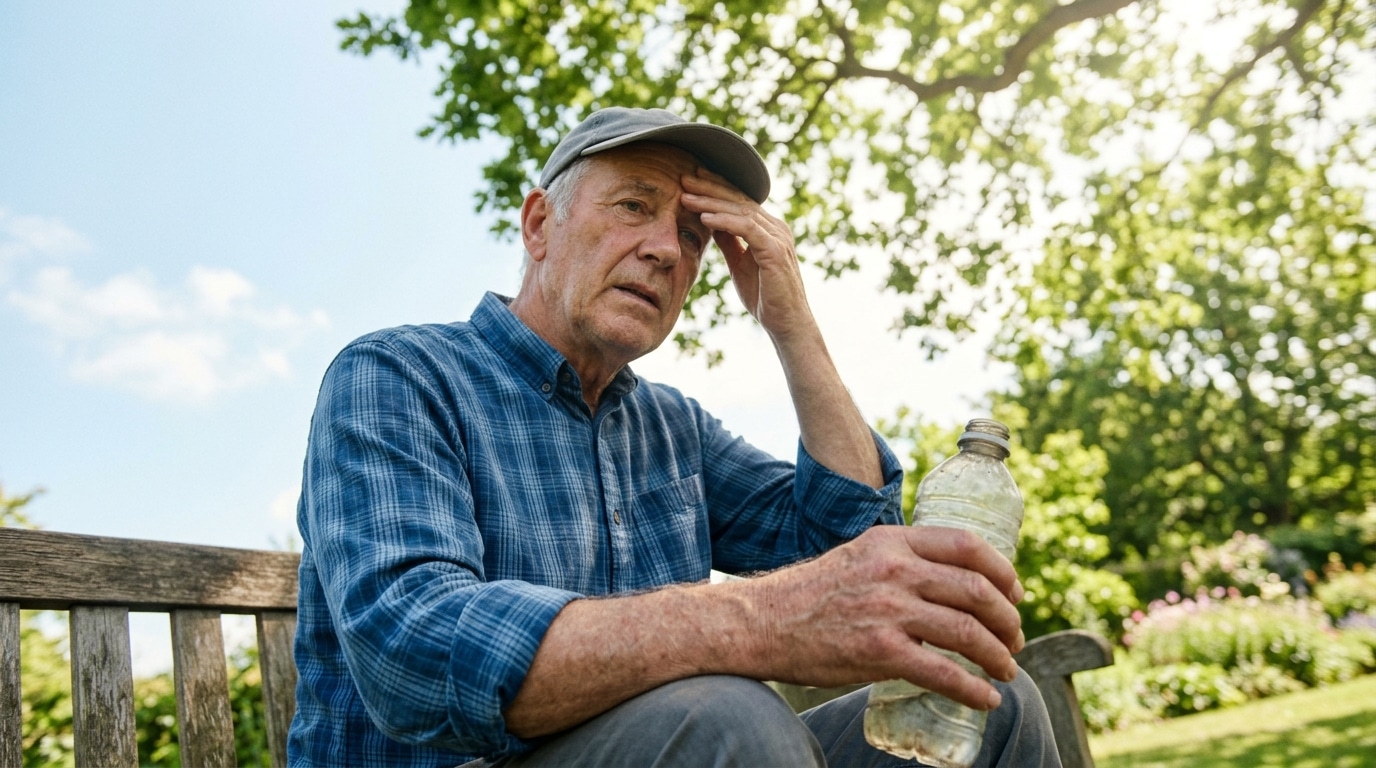
As strange as it may seem, you may notice that you sweat less than you did when you were younger. There are a few explanations for this change. First of all, your skin gets drier as you age, which means that there is less of it to sweat. Additionally, your sweat glands become less active as you get older. Finally, the aging process causes your blood vessels to constrict, which reduces how much blood flows to your skin and makes it less likely to sweat.
All these factors make sweating less of a problem for older adults. However, staying hydrated is essential, as sweating is still the body’s way of cooling itself down. So even though you may not sweat as much as you used to, don’t forget to drink plenty of fluids on hot days.
There Truly Are Weird Things That Happen To Your Body As You Age!
There truly are many weird things that happen to your body as you age. However, many of these changes are normal and nothing to worry about. Some of them (like being less likely to catch a cold) can even be positive. So don’t fret the next time you notice a change in your body – it’s just a sign that you’re getting older! And remember, you can take steps to help prevent some of the negative changes that come with age. So get out there and enjoy your life, no matter how old you are.