
Interfere With Your Cognitive Function

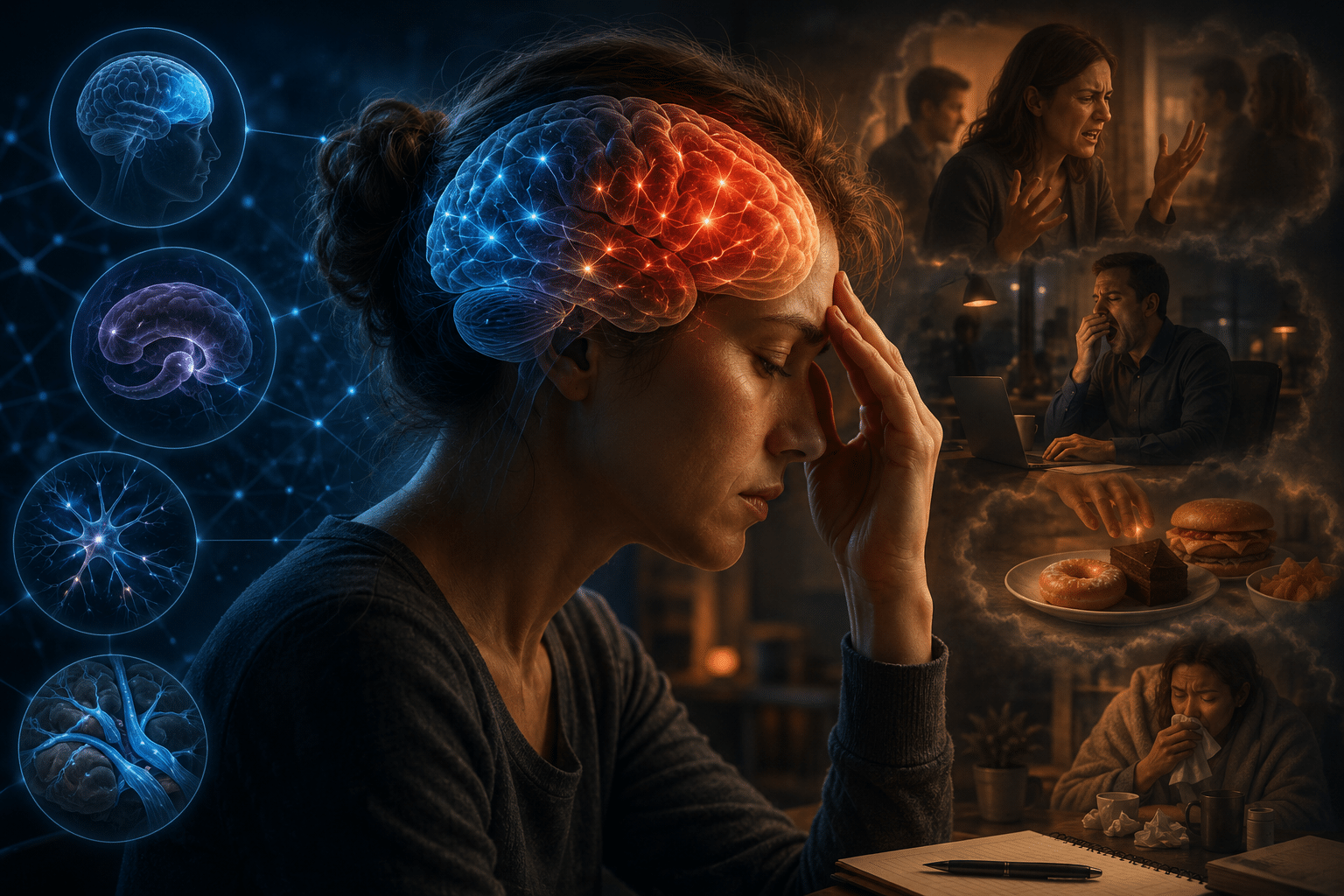
Interfering with your cognitive function is a cause of not sleeping enough, and how that is bad for you and your health. When you don’t get enough sleep, it impairs your ability to think clearly, make decisions, and react quickly, leading to accidents and judgment errors. Sleep deprivation also affects your mood, causing you to be irritable and short-tempered. In addition, it can impair your memory and make concentrating difficult. As a result, not getting enough sleep can seriously impact your cognitive function. In turn, this can lead to poorer performance at work or school and even put you at risk for serious health problems. So if you’re regularly not getting enough sleep, it’s important to take steps to correct the problem. Otherwise, you could be putting your health and well-being at risk.
Can Make You More Irritable And Moody

When you don’t get enough sleep, it’s not just your energy levels that suffer. Not getting enough shut-eye can also make you more irritable and moody. And if you’re in a bad mood, you’re more likely to make unhealthy choices, like eating junk food or skipping a workout. That’s because when you’re tired, your body craves high-fat, high-sugar foods for a quick burst of energy. And when you’re feeling sluggish, it’s harder to motivate yourself to exercise. The good news is that there are things you can do to get better sleep. Cutting back on caffeine and alcohol, establishing a consistent bedtime routine, and exercising can all help you get the rest you need. So if you’re feeling cranky or stressed, take a step back and see if you might need some more shut-eye.
Not Sleeping Enough May Lead To Depression

Not sleeping enough has been linked to depression. When you’re sleep-deprived, your brain can’t function properly, which leads to problems with your mood, decision-making, and stress levels. Sleep deprivation also disrupts the balance of hormones in your brain, which can lead to feelings of sadness and anxiety. If you’re not sleeping enough, you’re more likely to have negative thoughts and be less able to cope with stress, leading to a cycle of poor sleep and depression that can be difficult to break out of. Depression is a severe mental illness that can profoundly impact your health. It can cause problems with your sleep, appetite, energy levels, and ability to concentrate. Depression can also lead to physical health problems such as headaches, chest pain, and fatigue. If you’re struggling with depression, it’s essential to seek help from a qualified mental health professional.
If You’re Not Sleeping Enough, Try These Things!
While many things can interfere with a good night’s sleep, you can also do several things to improve the situation. If you’re not sleeping enough, try these things! Establishing a regular sleep schedule, avoiding caffeine and alcohol before bed, and creating a relaxing bedtime routine can all help you get the rest you need. And if you’re still having trouble sleeping, don’t hesitate to talk to your doctor about other potential solutions. Getting enough sleep is essential for your health and well-being, so make it a priority. You can get the shut-eye you need to feel your best with a little effort.