Do you know how many hours of sleep the average adult needs? According to studies, most people would guess around eight, but the number is closer to seven. That’s right – if you’re not getting at least seven hours of sleep per night, you risk your health and well-being. So why are so many of you failing to get enough sleep? Well, in today’s fast-paced world, it’s all too easy to push sleep to the side in favor of getting more done. But as it turns out, not sleeping enough can have some severe consequences. This article will explore the dangers of not sleeping enough and what you can do to ensure you get the rest you need.
Makes You More Susceptible To Illnesses

As you can see, not getting enough sleep can severely impact your health in many ways. Not getting enough sleep can have many negative effects on your health. One of the ways it does this is by making you more susceptible to illnesses because when you don’t get enough sleep, your body doesn’t have a chance to rest and recover properly, which means that your immune system isn’t able to work as effectively. You’re more likely to get sick. In addition, not getting enough sleep can also make you more likely to experience anxiety and depression because sleep deprivation can lead to a chemical imbalance in the brain, which can affect your mood and feelings of well-being. So if you’re not getting enough shut-eye, it’s essential to change that. Otherwise, you could be putting your health at serious risk.
Not Sleeping Enough Causes Weight Gain
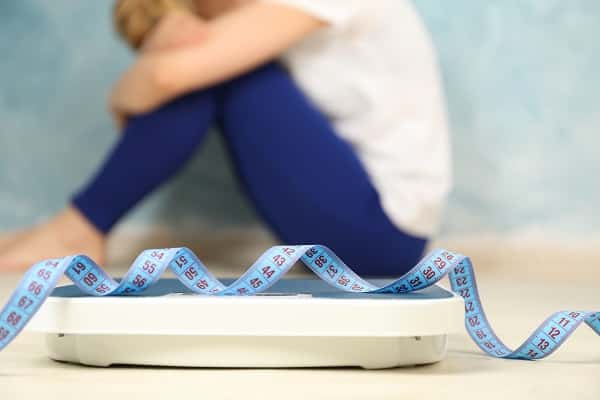
It’s a vicious cycle-you gain weight, which makes it harder to sleep, and not sleeping makes you gain weight. According to a new study, people who don’t get enough sleep are more likely to be overweight or obese. The study found that people who slept fewer than six hours a night were about 30 percent more likely to be obese than those who slept seven to nine hours. And those who slept fewer than five hours a night were about 50 percent more likely to be obese. The link between sleep and weight gain is due to many factors. When you don’t get enough sleep, your body produces more ghrelin, a hormone that increases appetite, and less leptin, a hormone that decreases appetite. Not sleeping also disrupts your body’s metabolism, making it harder to burn calories. In addition, research has shown that people who don’t get enough sleep are more likely to make poor food choices and have difficulty sticking to a healthy diet. So if you’re trying to lose weight or keep it off, ensure you’re getting enough shut-eye.
Can Impair Your Judgment And Decision-Making Skills

Many people do not realize the importance of a full night’s sleep. While it is often thought of as a time to rest and recharge, sleep is essential for many cognitive functions. During sleep, the brain processes information from the day and consolidates memories. It also clears out toxins that can build up during wakefulness. Without enough sleep, these processes are impaired, and the brain cannot function properly, leading to difficulty concentrating, slowed reaction times, and impaired judgment. Sleep deprivation is extremely dangerous, and it is essential to ensure you get enough rest every night. In some cases, it can even lead to hallucinations or delusions. If you are frequently tired during the day, it may be time to talk to your doctor about ways to improve your sleep habits.