While genetics and neurological conditions like Alzheimer’s can lead to memory loss issues, it is not uncommon for people with neither to forget where they left their car keys. Memory loss or a hard time recalling things and events are more common than you might think, even more so with today’s busy lifestyle. We all have wished for better memory while we sat in the examination hall, or at times we spend the day knowing we are forgetting something important but not being able to recall information.
But is there a way to improve memory? Diet and lifestyle can seriously impact one’s memory power, research suggests. Therefore, tweaking little habits in day-to-day life might be what you need. Below are ways you must consider to improve both your short-term and long-term memory skills.
Contents
Natural Tricks For Short-Term Memory
Meditation

Though everyone is aware of many health benefits of meditation, such as reduced stress and lower blood pressure, did you also know meditation can help improve memory?
Studies suggest that daily meditation helps increase gray matter in the human brain. Gray matter contains the neuron cell bodies, which decrease as you age, leading to bad memory and cognition. It is why people tend to become forgetful as they become older.
Meditation is known to work well for all age groups, young, adult, or older, with direct benefits to their short-term memory and spatial working memory for students indulging in practices like mindfulness.
Avoid Added Sugar

Consuming added sugar has been linked to many health issues, including chronic diseases and poor cognition. Regular intake of added sugar can reduce the brian volume in areas storing short-term memory.
Therefore, being mindful of what you consume and cutting down on added sugar from beverages to store-bought food will benefit your memory skill and overall health.
No To Alcohol. Yes To Exercise

While a small amount of alcohol might be good for health, one must avoid excessive drinking habits. Drinking not only harms health in the worst ways, but binge drinking can also lead to altered brain functioning and memory issues.
The hippocampus plays an integral role in memory. Drinking alcohol due to its neurotoxic effects can adversely influence and damage the hippocampus, leading to severe long-term health ailments and memory issues.
Even if you drink, make sure you exercise and maintain a proper diet to reduce the unpleasant effects. Exercising is linked to several long-term and short health benefits, with reduced risk of developing conditions like dementia later in life. In addition to this, research suggests that regular exercising, not necessarily intense, can stimulate the growth and development of neurons and secretion of neuroprotective proteins, both resulting in better cognitive performance, improved brain health, and good memory.
Additions To Your Diet
There are several foods known to work well for memory. Let’s take a look below at these additions and their benefits.
Cocoa
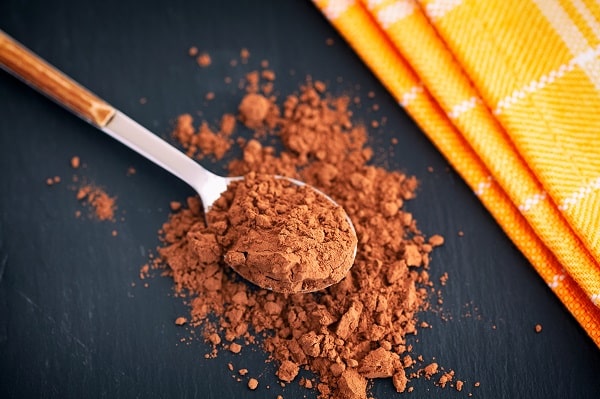
Cocoa is not only a treat to one’s taste buds but also for one’s brain activity. Flavonoids are the antioxidants present in cocoa that can help stimulate neurons and blood vessels’ growth, improving blood flow to the brain, especially in parts concerned with memory-related tasks. It is, however, essential to consume dark or cocoa that contains a potent dose of flavonoids to get the best and quickest results.
Vitamin D
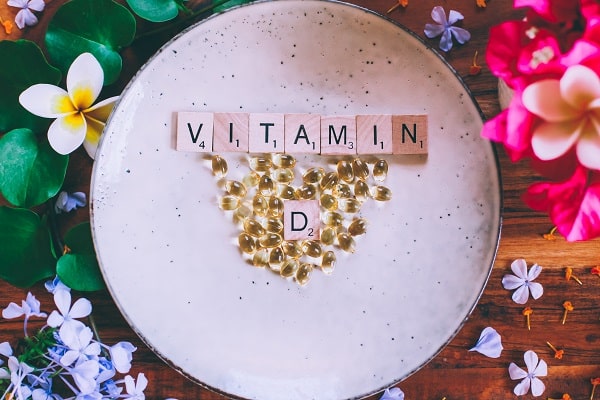
Since lower vitamin D levels reduce cognitive performance and are cause several other health hazards, it is better to get yourself tested for vitamin D levels every once in a while. People with lower Vitamin D levels have a higher risk of developing dementia later in life. Several medications and foods are a good source of Vitamin D, which you can include in the diet to meet the body’s vitamin deficiency.