Contents
Ways To Delay Menopause
Throughout your lifetime, there may be several factors that could either accelerate or delay the onset of your menopause. Though more researches are still being done on this subject, that is, on how to increase reproductive life, here are some of the ways that you could delay your menopause.
Lifestyle Factors

Many factors revolve around your lifestyle that attributes to the delay of menopause. Smoking has a reverse effect on the age of your natural menopause and is accelerated by a year or two. There are factors like consuming a moderate amount of alcohol and regular drinking of tea that delay menopause.
Physical Activity

Factors such as a higher BMI at 20 years of age, moderate weight gain during mid-life, and enhanced physical activity during leisure time in the adolescent and adulthood periods contributed to later menopause. It is still unclear, though, how weight gain and exercises contribute to delaying menopause.
Diet
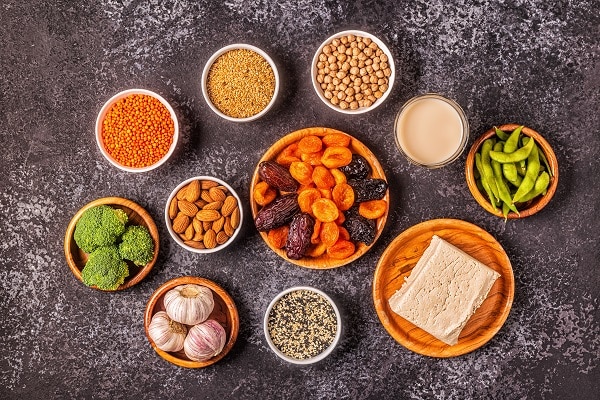
The types of food that you want to consume if you’re going to delay the onset of menopause are proteins and fruits. Consuming more calories also results in the delay of menopause. It may be hard to believe, but researches show a higher BMI or body mass index could mean the delay of the onset of menopause. One British study asserted that consuming fresh legumes regularly and eating oily fish contributed to the uncertainty of menopause too. Researchers also found that the Vitamin D in dairy products also reduces your chances of having early menopause. Since every woman and their nutritional needs are different, you must consult with your doctor before deciding on a specific diet.
Oral Contraceptives

Using oral contraceptives or birth control pills can lower the chances of early menopause; scientists are still not sure why. They theorize that after the egg production stops by the medications’ action, it increases the eggs’ output. Research is still needed on this subject.
Pregnancy or Lactation History

Breast feedings your babies for seven months to a year significantly lowers your chances of menopause before 45. When women who breastfeed for only a month were compared to those who breastfed for two years, studies found that the latter group of women had a 27% lesser chance of hitting menopause early.
Conclusion
All of the above factors do play a huge role in delaying or, in some cases, accelerating menopause. But one of the main factors that are important to consider is genetics. Genetics plays a huge role in determining when a woman starts to develop menopausal symptoms and undergoes full menopause. It is good to do your research on this subject but consulting a doctor or gynecologist would be best. They would be able to give the specific information you need based on your reproductive health and lifestyle.