The quest for a radiant, hydrated complexion often leads many to the vast realm of skin moisturizers. These formulations, filled with a myriad of ingredients, promise to lock in moisture and provide that elusive glow. However, with the sheer number of options available, deciphering the best components for skin hydration can be daunting. This article sheds light on some of the essential elements and features that a quality moisturizer should possess, ensuring your skin receives the best care.
Skin Type Specificity
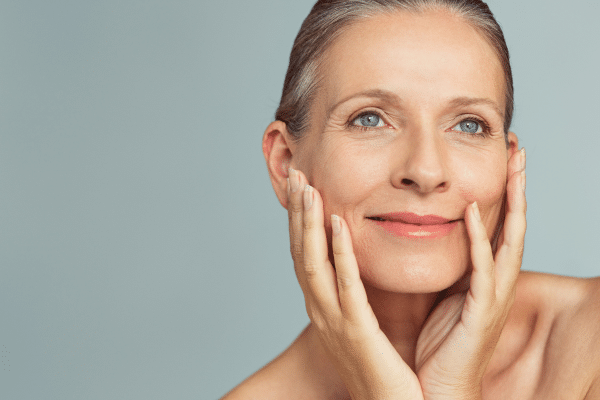
Everyone’s skin is unique. Recognizing and catering to these individual needs can make the difference between radiant skin and persistent skincare woes. Whether one has dry, oily, combination, or sensitive skin, there are moisturizers specifically formulated to address these unique requirements. By choosing products tailored to specific skin types, individuals can maximize the benefits of their skincare routine and address targeted concerns more effectively.
Understanding one’s skin type is the first step in this personalized skincare journey. For instance, those with oily skin might benefit from lightweight, gel-based moisturizers, while individuals with dry skin might seek richer, creamier formulations. It’s also essential to monitor how the skin reacts to a new product over time, tweaking the routine if necessary to achieve optimal results.
Hydrating Humectants
Dive into the world of skincare, and you’ll often encounter the term ‘humectants.’ These are ingredients that attract water to the skin’s surface, working like magnets for moisture. Prominent examples include glycerin, hyaluronic acid, and propylene glycol. Their primary role is to draw water from the deeper layers of the skin or the environment, ensuring that the skin remains hydrated throughout the day.
The advantages of moisturizers laden with humectants are manifold. Not only do they provide an immediate boost in skin hydration, but their consistent use can lead to improved skin texture and elasticity. Furthermore, as they help retain water on the skin’s surface, the appearance of fine lines becomes noticeably reduced, granting a more youthful complexion over time.
Natural and Organic Ingredients
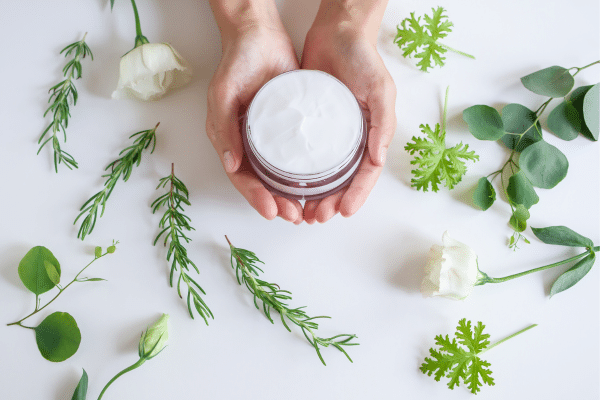
As the beauty industry evolves, there’s a discernible shift towards more earth-friendly products. Natural and organic ingredients are leading this trend, driven by consumer desire for cleaner, more transparent skincare. These ingredients, sourced directly from nature, often come without the heavy processing and artificial additives found in many synthetic counterparts. The charm of nature-derived components lies in their purity and the holistic approach they bring to skincare.
However, “natural” doesn’t always equate to “safe.” Just as with any skincare ingredient, it’s crucial to be aware of potential allergens or irritants, even in natural products. Organic labels further assure consumers that the ingredients are not only natural but also grown without pesticides, herbicides, or synthetic fertilizers. By making an informed choice, skincare enthusiasts can enjoy the bounty of nature while ensuring skin safety.