Bloating can manifest as an uncomfortable sensation, a visible distension of the stomach, or even a nagging inconvenience that impacts daily activities and overall quality of life. The sources of bloating are multifarious, rooted in dietary choices, eating behaviors, and other lifestyle factors. While it might often seem elusive, relief from bloating is achievable through practical and accessible means. This article aims to unveil a series of tested hacks, grounded in scientific principles, to alleviate and control bloating, offering readers pathways to a more comfortable and bloat-free life.
Eat Slowly

Eating too quickly often leads to bloating because it involves the ingestion of excess air. When meals are consumed in a hurry, it not only affects digestion but also exacerbates the retention of air in the stomach and intestines. This trapped air is a primary contributor to that familiar and unwanted swollen feeling. A conscious effort to eat at a slower pace can alleviate this issue, promoting better digestion and reducing air intake.
Implementing habits like chewing food thoroughly and taking pauses between bites can significantly mitigate bloating. Mindful eating, focusing on flavors, textures, and the overall eating experience, can naturally slow down the eating pace. These practices not only aid in reducing bloating but also contribute to improved digestion and nutrient absorption, fostering an overall healthier digestive system.
Drink Plenty Of Water

Adequate hydration is pivotal in managing and preventing bloating. Drinking water facilitates the flushing out of excess sodium from the body, a common culprit of bloating. Moreover, staying well-hydrated ensures the digestive system functions optimally, preventing constipation, another common bloating source. Ensuring a regular and adequate intake of water can significantly mitigate these factors and promote overall digestive health.
Various strategies can be employed to increase daily water intake. These include setting regular reminders to drink water, ensuring a bottle of water is always within reach, and incorporating foods with high water content into the diet. Monitoring the color of urine can also serve as an effective indicator of hydration levels, guiding adjustments to water intake as necessary to maintain optimal hydration.
Avoid Processed Foods
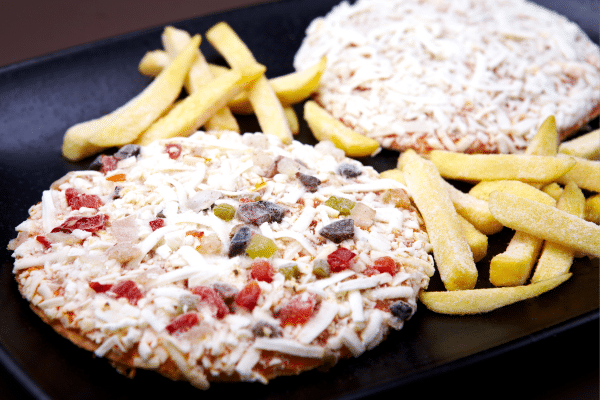
Processed foods often contain additives, preservatives, and other artificial ingredients that can lead to bloating. High sodium content, commonly found in these foods, causes the body to retain water. Another concern is the presence of certain carbohydrates and fibers that can be difficult to digest, leading to the production of gas in the gut. Therefore, steering clear of processed foods can contribute to a marked reduction in bloating episodes.
Switching to a diet rich in whole and natural foods is beneficial. Fresh fruits, vegetables, lean proteins, and whole grains are not only easier to digest but also provide essential nutrients without added artificial ingredients or excessive sodium. Making this switch can lead to an immediate improvement in the frequency and severity of bloating, promoting overall digestive health and wellbeing.