A lifestyle teeming with processed foods is often easier and quicker, but it comes at a high price – health. Processed items are notorious for being rich in unhealthy fats, sugar, and sodium, while low in essential nutrients. Every day, more people are acknowledging these health hazards, gravitating towards a diet centered around natural, whole foods. This shift not only promises an array of health benefits but also paves the way for a revitalized, energetic life. This blog unveils practical and actionable steps for anyone aiming to significantly reduce or entirely eliminate processed foods from their diet, marking the path to optimal health and wellness.
Cook At Home

Cooking at home is one of the most effective steps to evade the clutches of processed foods. It offers the liberty to select every ingredient, ensuring that each meal is not only delicious but is also nourishing. Avoiding preservatives and additives becomes straightforward, and meals can be tailored to individual dietary needs and preferences. A wealth of online resources, cookbooks, and tutorials are at one’s fingertips, making it easier than ever to whip up healthful meals from the comfort of home.
Moreover, home cooking fosters a deeper connection with food. It provides an opportunity to explore diverse cuisines, experiment with different flavors, and discover a world beyond the limited, often unhealthy options offered by processed food manufacturers. Every meal prepared at home is a step closer to a healthier, processed-free lifestyle, marking the path towards enhanced wellbeing, vitality, and longevity.
Swap Refined Grains For Whole Grains
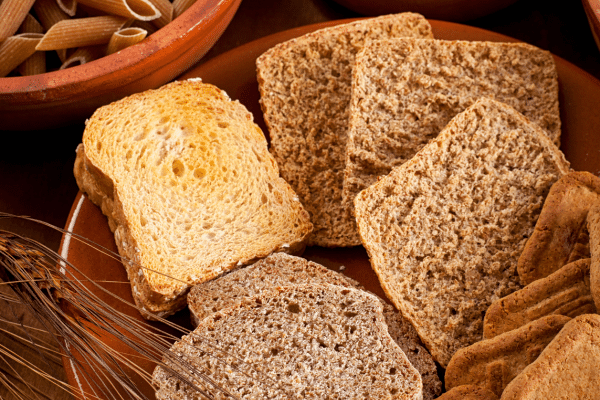
Refined grains are a common component of processed foods, often lacking in essential nutrients and fiber due to the stripping away of the bran and germ during processing. This absence is not just a loss in nutritional value but also contributes to a rapid increase in blood sugar levels after consumption. However, whole grains retain all their natural components, offering a richer nutritional profile and promoting sustained energy release, contributing to overall health and wellness.
Whole grains like brown rice, quinoa, barley, and oats are nutritional powerhouses, teeming with fiber, vitamins, and minerals. Integrating these into daily meals can significantly uplift the diet’s quality. For instance, opting for whole wheat bread instead of white, or brown rice instead of white, can make a significant difference. These choices not only enhance the nutritional intake but also offer a diverse, enriched flavor palette, making meals not just healthful but also delightful.
Read Labels Carefully
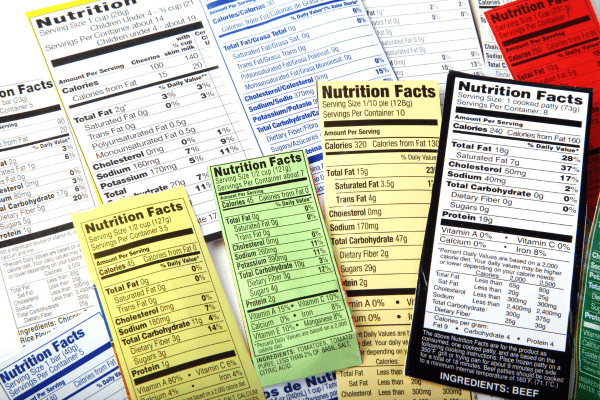
In the journey to eliminate processed foods, the ability to read and understand food labels is invaluable. Labels provide a plethora of information, exposing the hidden components that often lurk in processed foods. Ingredients like added sugars, unhealthy fats, preservatives, and artificial colors can be identified and avoided. Knowledge of these elements empowers consumers to make informed decisions, opting for products that align with their health and wellness goals.
Labels also offer insights into the nutritional content of foods. By examining the amounts of essential nutrients like proteins, vitamins, minerals, and fibers, individuals can assess the value that each product adds to their diet. It is essential to be wary of marketing claims and focus on the ingredient list and nutritional information to ensure that the chosen foods contribute to a balanced, healthy diet.