Every health-conscious person today is most certainly on one diet form or another. However, to find the diet that will work for you and your fitness goal, understand how it works, and implement it are some of the basic steps that you must ace to get visible results. Though the article cannot cover all the diet forms, it surely will leave you fully informed on everything about the keto diet by the time you get to the end of the article.
What Is The Keto Diet, And How Does It Work?
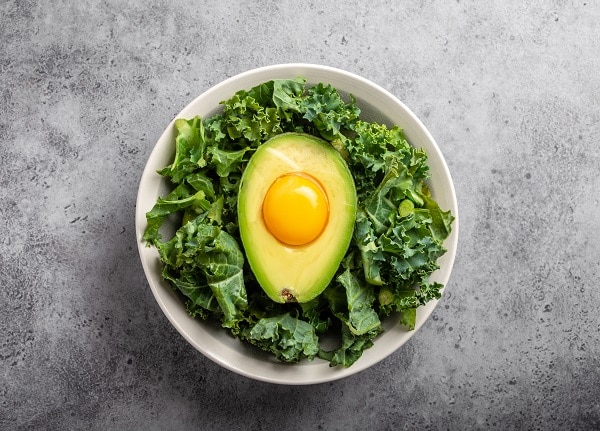
Glucose happens to be a prime source of energy for our body, but what do you think will happen once we halt this source, i.e., stop consuming carbohydrates? With no other energy source, the body will switch from burning carbs to burning fat for energy. Your body will create molecules, ‘ketones,’ to use as fuel which puts your body in ‘ketosis.’
This method of bringing the body under this metabolic state to maintain the ketone levels gives the ‘keto’ diet its name and purpose. And as you must have already guessed, keto is a low-carb and high-fat diet, with the main aim of letting your body burn the stored fat to regain energy. But, how low-carb are we talking about, and what are the allowed foods? Let’s find out.
Calorie Breakdown Ratio And Different Types Of Keto Diets
Though it is recommendable to consult an expert before starting a keto diet to get a personalized keto plan organized, an average keto diet for a rough idea will be – 70-75% fat, 20-25% protein, and 5-10% carbs.
Now the question here is, why is the protein consumption being moderated too? Well, the answer to it is the ability of the body to convert proteins into glucose(energy) when consumed in high quantities, which eventually slows down the process of ketosis.
However, there are various ketogenic diets one could follow apart from the standard keto diet (SKD) mentioned above, some of which include:
Cynical Keto Diet (CKD) – The version includes two carb days followed by five ketogenic days, i.e., periods of higher-carb.
Targeted Keto Diet (TKD) – The version allows you to consume carbs or add them to your diet around the workouts.
High Protein Keto Diet (HPD) – The version is much like the standard diet, with a higher protein ratio of about 35%.
While SKD and HPD have been studied extensively, more studies are needed to understand the effects of other versions of it and their precise results.
Health Benefits Of The Keto Diet

Coming to the key point, let us discuss the several health benefits of starting the keto diet.
- It stimulates metabolism with the increased fat burn and reduced appetite, paving the way to quick weight loss results.
- The keto diet is perfect for lowering insulin levels and managing blood sugar levels.
- Improves heart health with a reduced risk of heart attacks and cardiovascular diseases. It also balances cholesterol levels, promotes good cholesterol, and cuts out the effect of bad ones.
- Reduced risk of seizures and other brain disorders.
- Maintained blood pressure levels, eliminating related risks.
- A boost to skin health, especially for those suffering from acne.
- Studies underway even suggest it is beneficial in cancer treatments, Parkinson’s disease, among various other conditions.
- A hormonal disorder called PCOS is claimed to improve by following the keto diet.
Allowed Foods For The Keto Diet
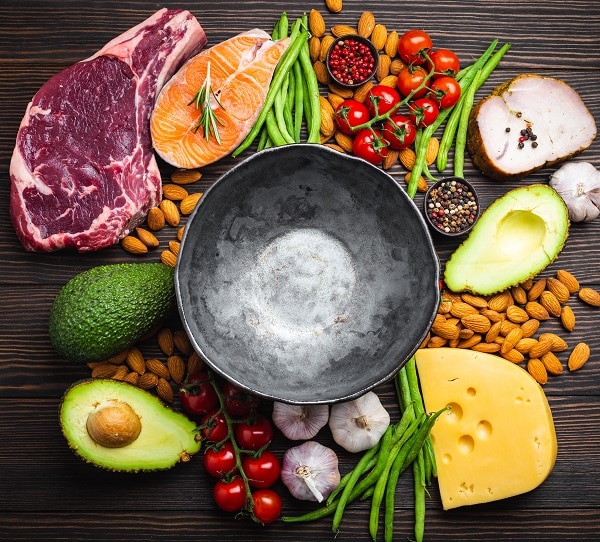
Low carb and high-fat foods are what make for a perfect keto diet. Meat like steaks, turkey, sausages, chicken, bacon, fatty fish like tuna, etc., are excellent on this diet. Dairy items like eggs, milk, cheese, and other full-fat dairies are allowed on the keto diet. One could also eat nuts and seeds as a snack without worrying about breaking the diet rules. But one cannot eat all the vegetables, only low-carb veggies like green veggies, tomatoes, onions, peppers, etc. However, there are no constraints in having a tasty little treat of avocados or good old guacamole.