What would it feel like to blow out 100 candles on your birthday cake, surrounded by multiple generations of family and friends? The thought of living to 100 or beyond is both fascinating and increasingly plausible, thanks to advancements in healthcare and a growing understanding of human longevity. This post delves into the various signs that could indicate you’re on the path to celebrating that monumental milestone. From genetics and lifestyle choices to mental well-being and social connections, you’ll discover a range of factors that contribute to a long, fulfilling life. So, let’s embark on this journey to uncover the secrets of how you can live past 100.
Genetics And Family History

Genetics often serve as the first chapter in the story of your life expectancy. Research shows that if your parents or grandparents lived well into their 90s or even reached 100, there’s a good chance you could follow suit. However, it’s not just about the number of years; the quality of those years matters, too. Family history can provide valuable insights into potential health risks, such as predispositions to certain chronic diseases, which could impact your lifespan.
While the genetic lottery plays a role in determining longevity, it’s not the end-all-be-all. In fact, studies suggest that genetics account for only about 25% of the factors that determine lifespan. This leaves a significant portion up to environmental and lifestyle choices. So, even if your family tree doesn’t boast centenarians, don’t lose hope; your lifestyle choices can make a substantial difference.
Physical Activity And Exercise

The saying “move it or lose it” holds a kernel of truth when it comes to longevity. Regular physical activity is linked to a plethora of health benefits, from improved cardiovascular function to enhanced mental well-being. Exercise can also help manage weight, improve bone density, and even boost your immune system. The key is to find a balanced routine that includes aerobic exercises, strength training, and flexibility workouts.
But how much exercise is enough? The World Health Organization recommends at least 150 minutes of moderate-intensity aerobic physical activity throughout the week. This can be broken down into manageable chunks, such as 30 minutes a day for five days a week. The good news is that it’s never too late to start. Studies have shown that people who begin exercising later in life can still enjoy significant health benefits.
Diet And Nutrition
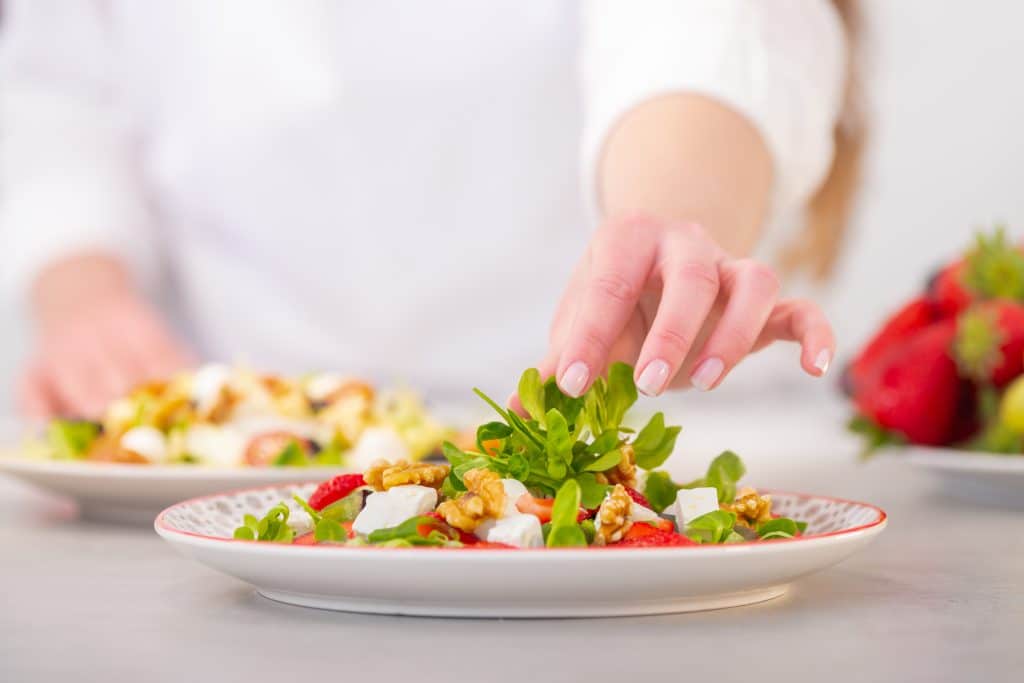
You are what you eat, and when it comes to longevity, your diet can either be your best friend or your worst enemy. A balanced diet rich in fruits, vegetables, lean proteins, and whole grains can provide the essential nutrients needed for optimal health. Foods high in antioxidants, such as berries and leafy greens, are particularly beneficial as they combat oxidative stress, a key factor in aging.
The Mediterranean diet often emerges as a shining example in studies on longevity. Characterized by a high intake of fruits, vegetables, olive oil, and fish, this diet is associated with lower rates of heart disease, cancer, and other chronic illnesses. So, the next time you’re planning a meal, think of it as an investment in your long-term health.
Hydration And Alcohol Consumption
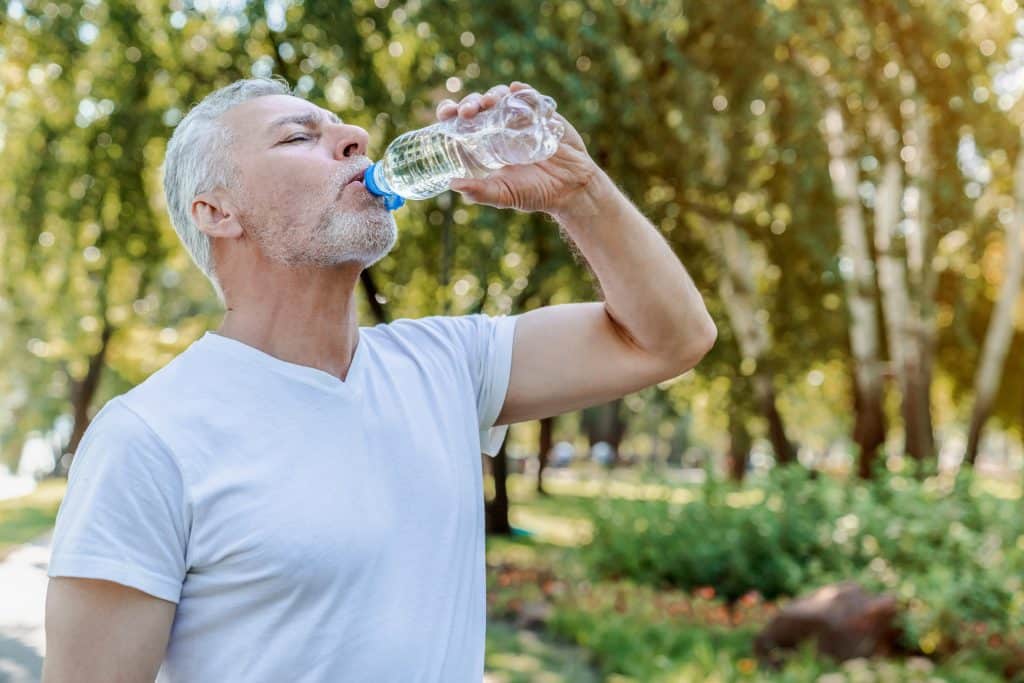
Water is the essence of life, and staying adequately hydrated is crucial for overall health. Proper hydration supports cellular function, aids in digestion, and even improves skin elasticity. While there’s no one-size-fits-all answer to how much water you should drink, a general guideline is to aim for eight 8-ounce glasses a day. And it’s not just about water; beverages like herbal teas can also contribute to your hydration levels.
When it comes to alcohol, moderation is key. While some studies suggest that moderate alcohol consumption, particularly red wine, may have some health benefits, excessive drinking can have detrimental effects. High alcohol consumption is linked to a range of health issues, including liver disease, heart problems, and an increased risk of accidents. Therefore, if you do choose to drink, it’s important to do so responsibly.