Holistic healing is an approach that emphasizes the interconnectedness of mind, body, and spirit in the pursuit of overall well-being. By recognizing that each aspect of a person’s being contributes to health, holistic healing seeks to address underlying causes rather than merely treating symptoms. This post aims to explore various holistic methods to improve healing, offering insights into practices that can enhance life quality. Whether seeking alternatives to conventional medicine or supplementing existing treatments, readers will find valuable information on embracing a holistic approach to health.
The Philosophy Of Holistic Healing
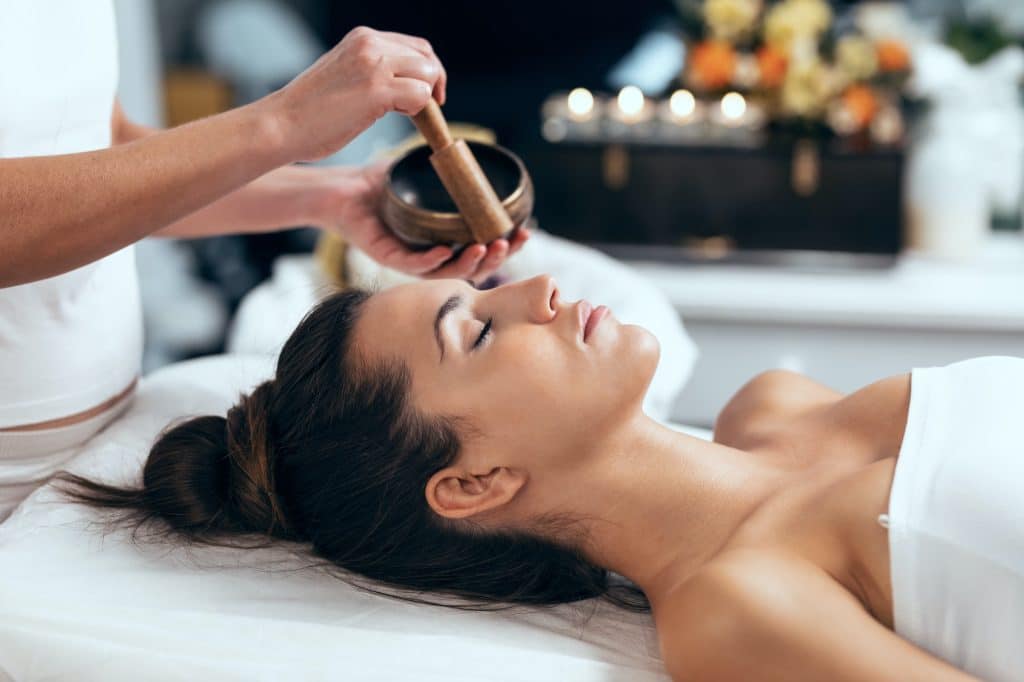
Holistic healing is grounded in the belief that health is a state of complete harmony between the body, mind, and spirit. Unlike conventional medicine, which often focuses on specific symptoms, holistic healing looks at the whole person. This approach considers how emotional, mental, and spiritual factors can influence physical health. It’s a philosophy that encourages self-awareness and self-care, promoting a balanced life.
The mind-body connection is a fundamental concept in holistic healing. Understanding this connection means recognizing that thoughts and emotions can directly affect physical well-being. Stress, for example, can lead to physical ailments like headaches or digestive issues. By addressing these underlying emotional factors, holistic healing aims to create a more profound and lasting improvement in health.
Meditation And Mindfulness
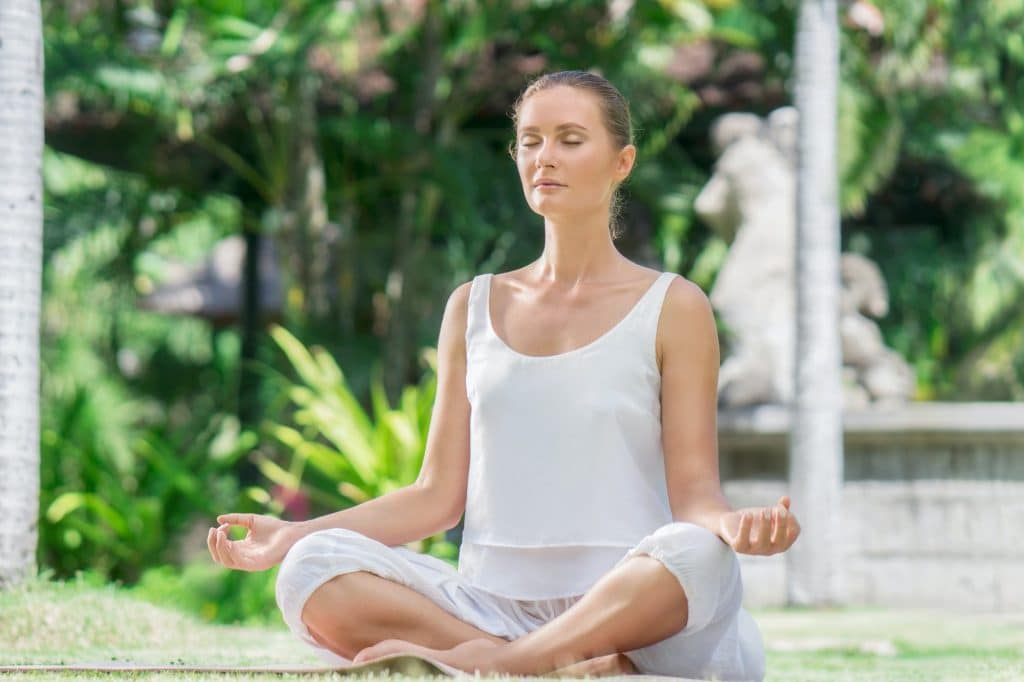
Meditation and mindfulness are powerful tools in the holistic healing toolkit. These practices involve focusing attention, cultivating awareness, and developing a non-judgmental attitude toward thoughts and feelings. By practicing mindfulness, individuals can learn to respond rather than react to life’s challenges, fostering a sense of inner peace and resilience.
Techniques and practices in meditation and mindfulness vary widely, allowing for personalization to individual needs and preferences. Whether through guided meditation, breath awareness, or mindful movement, these practices can reduce stress, enhance mental clarity, and support overall well-being. Embracing meditation and mindfulness can be a transformative step in the journey towards holistic health.
Herbal Remedies
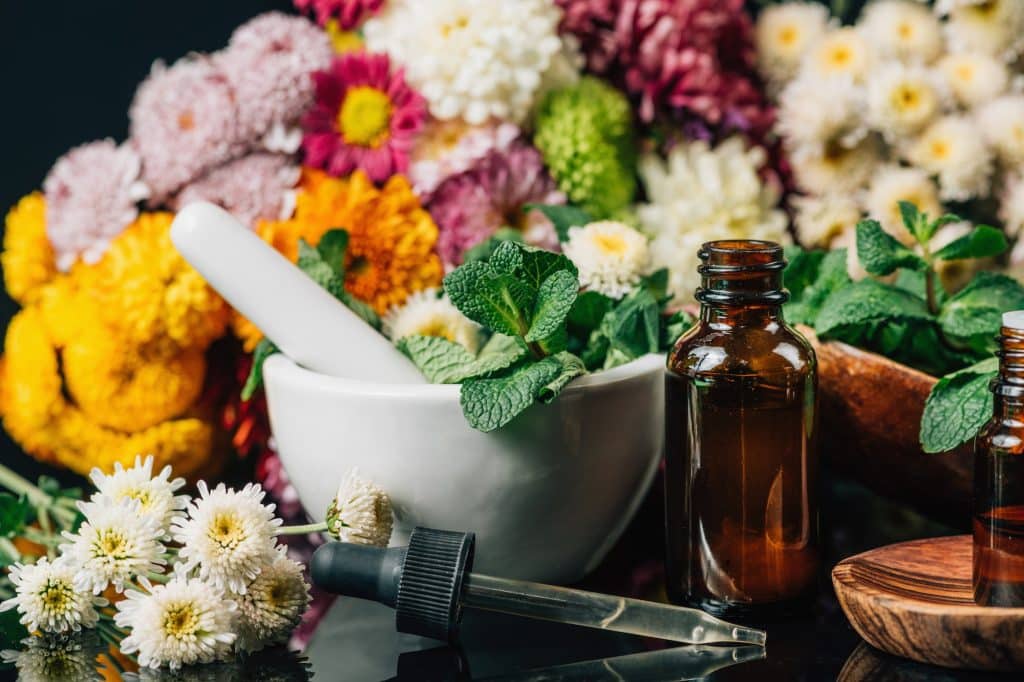
Herbal remedies have been used for centuries to treat various ailments and promote overall health. These natural solutions harness the healing properties of plants, offering a gentle and often effective alternative to pharmaceuticals. From calming chamomile to immune-boosting echinacea, herbal remedies provide a wide array of options for those seeking a more natural approach to healing.
While herbal medicine offers many benefits, it’s essential to approach it with knowledge and caution. Not all herbs are suitable for everyone, and some may interact with conventional medications. Consulting with a knowledgeable herbalist or healthcare provider ensures that herbal remedies are used safely and effectively. This careful consideration reflects the broader holistic philosophy of treating the whole person and recognizing individual needs and circumstances.
Acupuncture And Acupressure

Acupuncture and acupressure are ancient practices rooted in Traditional Chinese Medicine. They involve stimulating specific points on the body to promote healing and balance energy flow. Acupuncture uses thin needles, while acupressure uses pressure from hands or tools. Both methods are believed to activate the body’s natural healing abilities, addressing various health concerns from pain management to stress reduction.
Finding a qualified practitioner is essential for the safe and effective application of acupuncture and acupressure. Proper training ensures that the techniques are applied correctly, maximizing benefits and minimizing risks. These practices can be powerful additions to a holistic healing regimen, offering unique approaches to well-being that complement other methods.