Leg pain, while common, can range from a mild annoyance to a severe impediment. For many, understanding the root of this discomfort can be puzzling, especially when it arises without a clear injury or trigger. Just as there are numerous activities and motions that involve our legs, there are equally diverse causes for the aches and pains we experience. From overexertion in athletes to underlying health conditions in the elderly, this post will delve into some of the prevalent causes of leg pain, offering clarity and guidance.
Muscle Strain
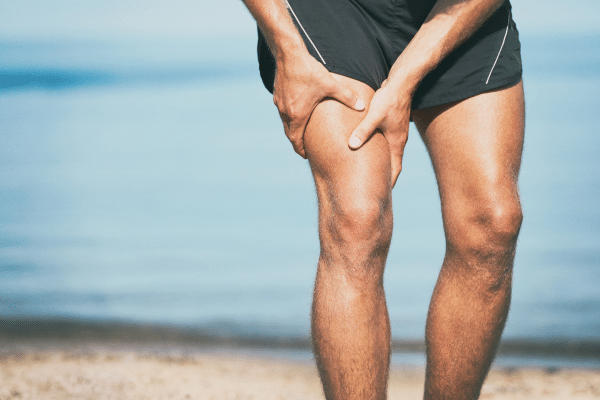
Muscle strains, commonly known as pulled muscles, arise when muscle fibers are overstretched or torn. This kind of injury can result from various activities such as heavy lifting, sudden movements, or even overuse during rigorous exercises. The pain from a muscle strain can vary in intensity, sometimes being sharp and sudden or evolving into a dull ache that lingers. It’s essential to allow the injured muscle to rest and recover. Applying ice, compression, and elevation, collectively known as the R.I.C.E. method, can often alleviate pain and swelling associated with this condition.
While anyone can experience a muscle strain, individuals who don’t properly warm up before physical activities or those who push their bodies beyond their current capability are more susceptible. Additionally, factors such as fatigue, previous injuries, or inadequate equipment (like shoes) can increase the risk. As the muscle heals, gentle stretching and strengthening exercises can aid recovery and reduce the chance of future strains.
Peripheral Artery Disease (PAD)

Peripheral Artery Disease, or PAD, is a circulatory issue where narrowed arteries reduce blood flow to the limbs, commonly the legs. This reduction often results in pain, especially during physical activities when the muscles aren’t receiving enough oxygen-rich blood. The pain might manifest as a cramping sensation and usually subsides with rest. However, it’s vital to recognize that PAD isn’t merely about discomfort; it signals broader arterial problems which can lead to heart attacks or strokes.
A primary cause of PAD is the buildup of fatty deposits in the arteries, also known as atherosclerosis. Smoking, diabetes, obesity, and high blood pressure are among the significant risk factors. If someone experiences consistent leg pain, especially if combined with other symptoms like coldness in the lower leg or foot, it’s imperative to consult a healthcare professional. Early detection and management of PAD can significantly reduce the risk of more severe complications.
Arthritis

Arthritis, often misconstrued as a singular ailment, encompasses various conditions affecting the joints. These conditions lead to symptoms ranging from mild discomfort to debilitating pain in the affected areas, including the legs. Osteoarthritis, the most common type, involves wear-and-tear damage to the joint’s cartilage. When this protective surface wears down, bones begin to rub against each other, causing pain, especially in weight-bearing joints like the knees and hips.
Another prevalent form, rheumatoid arthritis, is an autoimmune disorder where the body mistakenly targets its joint linings. This attack results in painful swelling and can eventually result in joint deformity. The exact cause remains unknown, but factors such as genetics, environment, and hormones might play roles. Those suffering from leg pain due to arthritis benefit from various treatments, from physical therapy and medications to surgical interventions in severe cases.