Skip to content

Doctors Won’t Tell You This! The Real Key to Beating Inflammation!

  • Health

Inflammation is the body’s natural defense mechanism, but when it becomes chronic, it transforms into a silent killer linked to heart disease, arthritis, diabetes, and even Alzheimer’s. Doctors often prescribe medications to manage inflammation, yet they rarely discuss its root causes. Processed foods, stress, poor sleep, and environmental toxins quietly fuel inflammation, keeping people trapped in a cycle of pain and disease. Addressing lifestyle choices is the key to reducing inflammation instead of simply masking symptoms. Small but powerful changes in diet, movement, and stress management can help the body heal naturally and reclaim optimal health.

The Silent Damage: How Chronic Inflammation Wreaks Havoc on Your Body
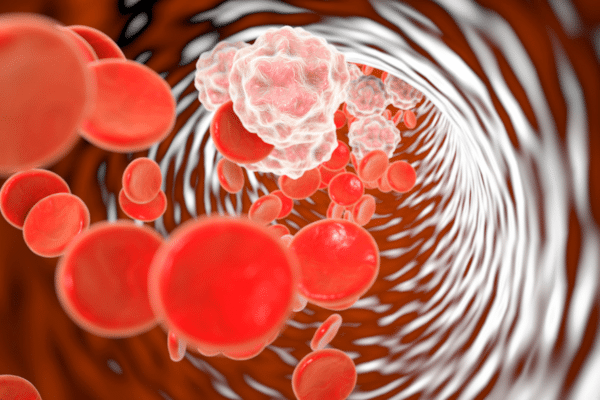
Inflammation

Chronic inflammation is often overlooked because its symptoms develop gradually, making pinpointing difficult. Unlike acute inflammation, a temporary immune response to injury or infection, chronic inflammation lingers and attacks healthy cells. Over time, this low-grade inflammation weakens the immune system, increases the risk of autoimmune disorders, and accelerates aging. Many people experience symptoms like joint pain, fatigue, bloating, and skin issues, but they rarely connect them to inflammation. Recognizing these warning signs early can prevent long-term damage and promote better overall health.

Beyond physical discomfort, chronic inflammation affects the brain, gut, and heart, leading to cognitive decline, digestive problems, and cardiovascular disease. Studies suggest that prolonged inflammation may contribute to conditions like depression and anxiety, as inflammatory markers disrupt neurotransmitter balance. The gut, often called the second brain, suffers immensely when inflammation takes over, leading to leaky gut syndrome and food intolerances. Addressing the underlying causes of inflammation isn’t just about reducing pain—it’s about improving mental clarity, boosting energy, and enhancing longevity.

The Food Industry’s Dirty Secret: The Inflammatory Diet No One Talks About

Inflammation

Modern diets are filled with hidden inflammatory triggers that quietly damage the body over time. Processed foods loaded with refined sugars, artificial additives, and trans fats create an internal storm of inflammation. The convenience of packaged meals and fast food has led to an overconsumption of omega-6 fatty acids, which promote inflammation when not balanced with omega-3s. Additionally, high-glycemic foods spike blood sugar levels, causing insulin resistance and increased inflammatory responses. Despite clever marketing claims, many so-called “healthy” foods contain ingredients contributing to chronic inflammation.

The excessive intake of dairy, gluten, and refined grains further complicates the body’s ability to regulate inflammation. Many unknowingly experience mild food sensitivities that trigger immune reactions, leading to bloating, headaches, and joint pain. Artificial sweeteners and preservatives found in diet sodas, low-fat snacks, and processed meats also disrupt the gut microbiome, worsening inflammation. Avoiding these hidden culprits and opting for whole, unprocessed foods is crucial in reversing chronic inflammation and improving long-term health.


The Anti-Inflammatory Power of Real Food: What You Should Be Eating Instead

Inflammation

Fighting inflammation starts with fueling the body with the right nutrients. Whole foods like berries, leafy greens, and fatty fish provide powerful antioxidants and omega-3 fatty acids that naturally combat inflammation. Turmeric, ginger, and garlic are well-known for their anti-inflammatory properties and can easily be incorporated into daily meals. Eating various colorful fruits and vegetables ensures a rich intake of vitamins and minerals that help reduce oxidative stress. The Mediterranean diet, which emphasizes whole grains, healthy fats, and lean proteins, has been proven to support overall health and lower inflammation.

Fermented foods such as kimchi, sauerkraut, and yogurt promote a balanced gut microbiome, which plays a key role in regulating inflammation. Hydration also matters, as drinking plenty of water helps flush out toxins and reduces inflammatory markers. Cutting out processed foods and replacing them with nutrient-dense options allows the body to heal from the inside out. With a focus on real food, inflammation can be managed naturally, leading to increased energy, improved digestion, and overall well-being.

Stress, Sleep, and Inflammation: The Missing Links in Your Health

Inflammation

Chronic stress is one of the most overlooked contributors to inflammation, yet it plays a critical role in overall health. When the body remains in constant stress, cortisol levels rise, triggering inflammatory responses. This prolonged exposure to stress hormones weakens the immune system, disrupts digestion, and increases the risk of chronic diseases. Everyday stressors, whether from work, relationships, or financial concerns, silently fuel inflammation and make it harder for the body to recover. Even the healthiest diet won’t be enough to combat inflammation without proper stress management.

Poor sleep further exacerbates inflammation by preventing the body from repairing itself. Sleep deprivation increases inflammatory markers, weakens cognitive function, and disrupts hormonal balance. The body relies on deep sleep to restore tissues, regulate blood sugar levels, and maintain a strong immune system. Developing a nighttime routine, reducing screen time before bed, and prioritizing relaxation can significantly lower inflammation. Managing stress and improving sleep are just as crucial as diet and exercise in the fight against chronic inflammation.

The Hidden Dangers of Medications: Why Your Pills Might Be Making It Worse

Inflammation

Many medications designed to reduce inflammation can create more health problems in the long run. Nonsteroidal anti-inflammatory drugs (NSAIDs), while effective for short-term pain relief, can damage the gut lining and lead to increased inflammation over time. Prescription corticosteroids suppress the immune system, making individuals more vulnerable to infections and other complications. Relying solely on medications often masks symptoms rather than addressing the root causes of inflammation. This cycle leaves many people dependent on drugs without truly resolving their health issues.

Natural alternatives offer a safer way to manage inflammation without the side effects. Herbs like boswellia, turmeric, and green tea extract have been used for centuries to combat inflammation naturally. Lifestyle adjustments, such as incorporating anti-inflammatory foods, engaging in regular movement, and reducing stress, can help reduce dependence on medication. While some cases may require medical intervention, many people can significantly lower inflammation by making conscious, daily choices that support long-term health.

Movement is Medicine: How Exercise Crushes Inflammation

Inflammation doesn’t have to dictate health or energy levels. Small changes like eating real food, managing stress, improving sleep, and staying active can make a lasting difference. Instead of relying on medications to mask symptoms, addressing the root causes leads to true healing. With consistent effort, it’s possible to reduce inflammation, boost energy, and improve overall well-being. The power to take control of health starts with daily choices that support a stronger, healthier body.