Air quality, often overlooked in the hustle and bustle of modern living, plays a pivotal role in your well-being. As urbanization progresses and you spend more time indoors, air quality within your home becomes paramount. Surprisingly, indoor air can sometimes be more polluted than the air outside. This phenomenon is intriguing and emphasizes the necessity of ensuring clean air in your living space. This article delves deep into the intricacies of indoor air quality, sources of pollution, the health implications, and pragmatic solutions for ensuring a breathable and healthy environment at home.
Understanding Indoor Air Quality
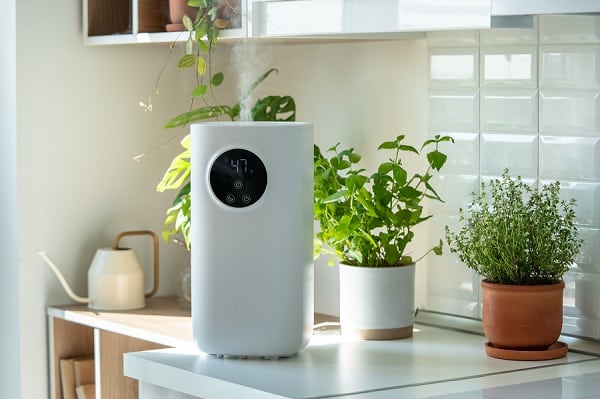
Indoor air quality (IAQ) refers to the air quality within and around buildings and structures, especially relating to the health and comfort of building occupants. When individuals think of air pollution, towering industrial chimneys spewing smoke might come to mind. However, many are unaware that indoor air can contain pollutants, sometimes even higher concentrations.
Numerous contaminants can lurk in one’s home, from mold spores to volatile organic compounds (VOCs) released by certain paints and furnishings. Factors such as inadequate ventilation can increase pollutant
levels by not bringing in enough outdoor air to dilute emissions from indoor sources and not carrying indoor air pollutants out of the home. Thus, understanding indoor air quality isn’t merely a matter of academic interest; it’s about recognizing the environment we breathe in for a significant portion of our lives.
Sources Of Indoor Air Pollution

It might surprise many that their daily activities could contribute to indoor air pollution. For instance, cooking can release particulates and fumes, especially frying or charbroiling. Similarly, the comforting warmth of a fireplace in winter, while soothing, releases soot and other pollutants into the air.
Apart from activities, various household items play a role. Common items such as paints, aerosol sprays, and certain cleaning agents release VOCs that degrade indoor air quality. Then there’s the matter of flooring and carpeting, which might trap dust mites, pet dander, pollen, and more. Every step or movement on the carpet can release these particles back into the air with time.
The outside environment isn’t without blame either. In areas with high outdoor pollution, contaminants can seep indoors, especially if windows and doors lack proper sealing. Even pollen, which many associate only with outdoor allergies, can infiltrate a home and reduce air quality.
Health Implications Of Poor Air Quality

Poor indoor air quality isn’t just an inconvenience; it has tangible health effects. Immediately recognizable symptoms can include irritation of the eyes, nose, and throat, headaches, dizziness, and fatigue. For many, these might seem like just a ‘bad day,’ but they could directly result from the air they breathe indoors.
The more insidious effects emerge over the long term. Respiratory diseases, heart disease, and even some cancers can be exacerbated or triggered by prolonged exposure to indoor air pollutants. Children, the elderly, and individuals with pre-existing health conditions, particularly respiratory conditions like asthma, are more vulnerable. They may experience more severe health effects or lower pollution levels. Hence, maintaining clean air isn’t just a comfort but a necessity for well-being.