In recent years, there’s been a growing interest in the use of herbal remedies, especially in the context of elderly health care. Historically, herbs have played a significant role in medicine, offering natural alternatives to conventional treatments. This article delves into the effectiveness and potential risks of various herbal remedies for the elderly. It aims to provide a comprehensive understanding of how these natural solutions can be integrated into elderly care, balancing their traditional appeal with modern medical insights.
Understanding Herbal Remedies
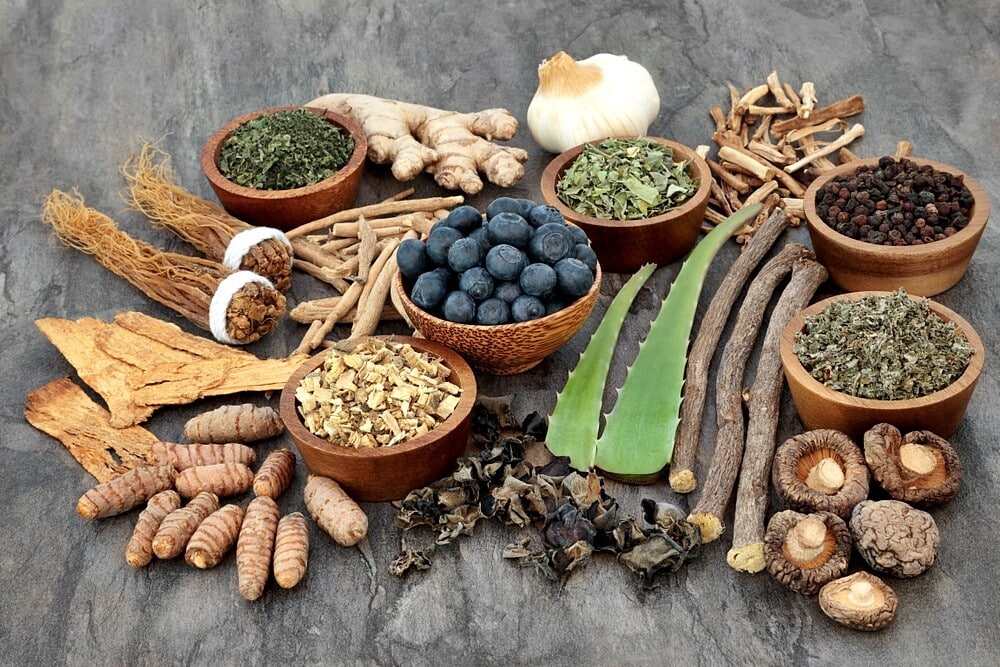
Herbal remedies, often derived from plants, have been used for centuries to treat a myriad of health conditions. Unlike pharmaceutical drugs, which contain highly concentrated and specific active ingredients, herbal medicines typically utilize whole plants or plant parts containing a mix of compounds. Common herbs utilized in elderly care include Ginseng, known for its energy-boosting properties, and St. John’s Wort, often used for its mood-stabilizing effects. This section will explore the nature of these remedies and how they differ fundamentally from conventional medications, providing a basis for understanding their role in healthcare.
The use of herbal remedies requires an understanding of their origins, preparation methods, and how they work in the body. Many of these remedies are sourced from traditional knowledge passed down through generations. Preparation methods can vary, from simple teas and tinctures to complex extractions. Understanding these aspects is crucial in evaluating the efficacy and safety of herbal treatments, especially in elderly populations who may have unique health considerations.
The Growing Popularity of Herbal Medicine in Elder Care
The use of herbal remedies in elder care has seen a significant increase in recent years. Surveys indicate that a considerable proportion of the elderly population now turns to herbal treatments as part of their healthcare regimen. This shift is often attributed to the desire for more natural treatment options and growing skepticism towards conventional pharmaceuticals. Personal anecdotes and case studies further illustrate this trend, showing a preference for herbal remedies due to perceived fewer side effects and a holistic approach to health.
Several factors contribute to this growing popularity. The perception of herbal remedies as ‘gentler’ and more ‘natural’ than conventional medicines appeals to many. Additionally, the cultural and personal beliefs of the elderly, coupled with the influence of holistic health movements, play a significant role in this trend. This section will delve into these reasons, supported by statistical data and real-life examples, to understand why more elderly individuals are choosing herbal treatments.
Benefits of Herbal Treatments for the Elderly

Herbal treatments offer several benefits for elderly patients, ranging from improved cognitive function to reduced inflammation. For instance, Gingko Biloba is renowned for its potential to enhance memory and cognitive abilities, while Turmeric is praised for its anti-inflammatory properties. This section will examine various herbs commonly used in elderly care, discussing their specific benefits and the scientific evidence supporting their use.
Moreover, herbal remedies can play a significant role in preventative care. Their natural properties may help in maintaining overall health and preventing the onset of certain age-related conditions. Integrating these remedies with conventional medicine can offer a more holistic approach to health care for the elderly. This section will explore how such integration can enhance the quality of life and health outcomes for older adults.
Potential Risks and Side Effects

While herbal remedies offer numerous benefits, they are not without risks and potential side effects, particularly in the elderly. The interaction of herbal treatments with prescribed medications is a significant concern, as it can lead to adverse effects or reduced efficacy of conventional drugs. Additionally, the elderly may experience different side effects due to age-related changes in metabolism and organ function. This section will discuss these risks in detail, emphasizing the importance of professional guidance when incorporating herbal remedies into health regimens.
Moreover, the quality and purity of herbal products can vary greatly, leading to inconsistencies in dosages and potential contamination. This variability poses a risk to the elderly, who may be more vulnerable to these inconsistencies. The lack of stringent regulation in the herbal supplement industry further complicates this issue. Case studies highlighting adverse effects due to poor-quality herbal products will be examined, underscoring the need for caution and diligence in selecting herbal treatments.
Herbal Remedies vs. Conventional Medicine