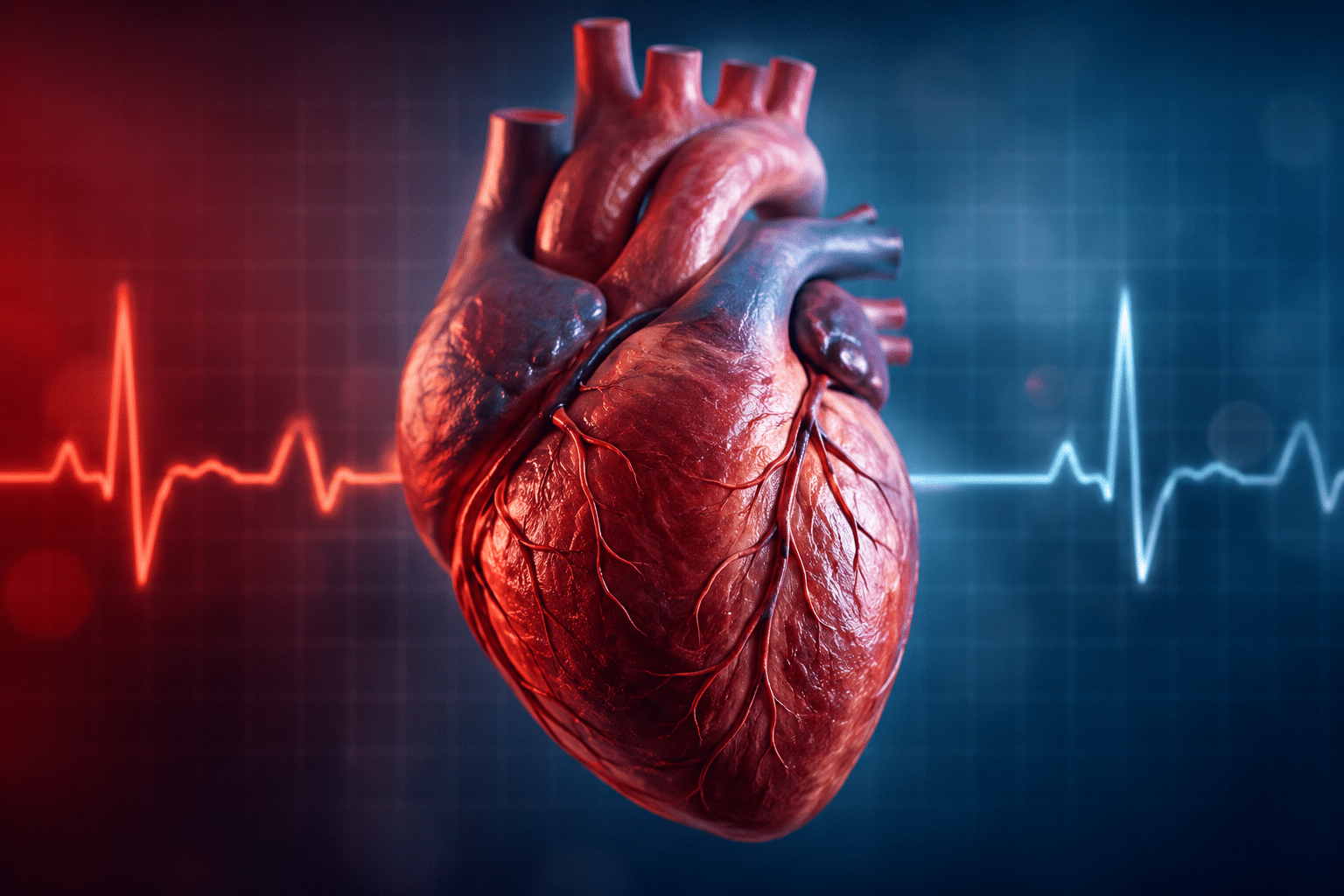
It’s a common misconception that retirement is a time of rest and relaxation. The truth is that retirement can be just as risky as a working life. There are several health risks associated with retirement that you should be aware of before deciding to retire. This article will discuss some of the most common health risks associated with retirement and provide tips on staying healthy during this important stage in your life!
When Should You Consider Retirement?

Retirement is a hot topic these days. With the baby boomers approaching retirement age, many people wonder when the right time to retire is. There is no one-size-fits-all answer to this question, as the right time to retire depends on various factors. One key factor to consider is your financial situation. If you have enough saved up to cover your costs of living, then you may be able to afford to retire earlier than someone who hasn’t saved as much. Another important factor to consider is your health.
If you’re in good health and expect to stay that way, you may be able to work longer than someone who isn’t as healthy. Finally, it’s important to consider what you’ll do with your time once you retire. If you have hobbies or interests that you want to pursue, then you may be more likely to enjoy retirement than someone who doesn’t have any plans for how to spend their time. Ultimately, there’s no single right answer for when to retire. It’s important to carefully consider all of the factors that apply to your situation before making a decision.
Top Health Risks Of Retirement
Believe it or not, retirement can be risky for your health. You should be aware of several health risks associated with retirement. Here are some of the most common:
Loneliness and Isolation
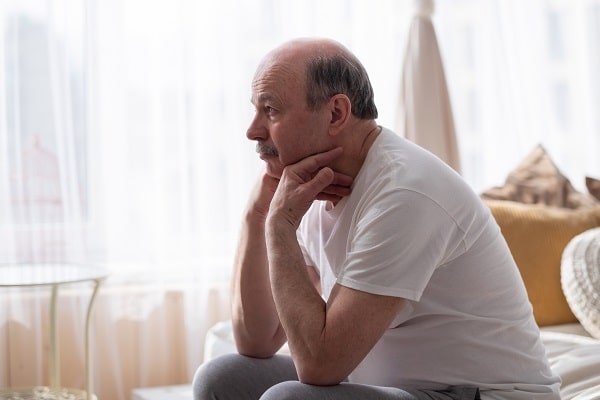
For many people, retirement is a time to enjoy a well-earned rest. However, it can also be a time of isolation and loneliness. According to a recent study, more than half of all retirees reported feeling lonely regularly. This is not surprising considering retirement can mean leaving behind a network of friends and colleagues. In addition, retirement can also mean moving to a new location, which can further reduce social interactions. While loneliness and isolation are not necessarily harmful to your health, they can contribute to other health risks.
For example, loneliness has been linked to an increased risk of heart disease, stroke, and Alzheimer’s disease. If you are feeling lonely in retirement, there are several things you can do to improve your situation. First, stay socially active by joining clubs or groups that interest you. You can also reach out to family and friends more often. Finally, consider volunteering or starting a part-time job; these activities can help you feel more connected to your community.