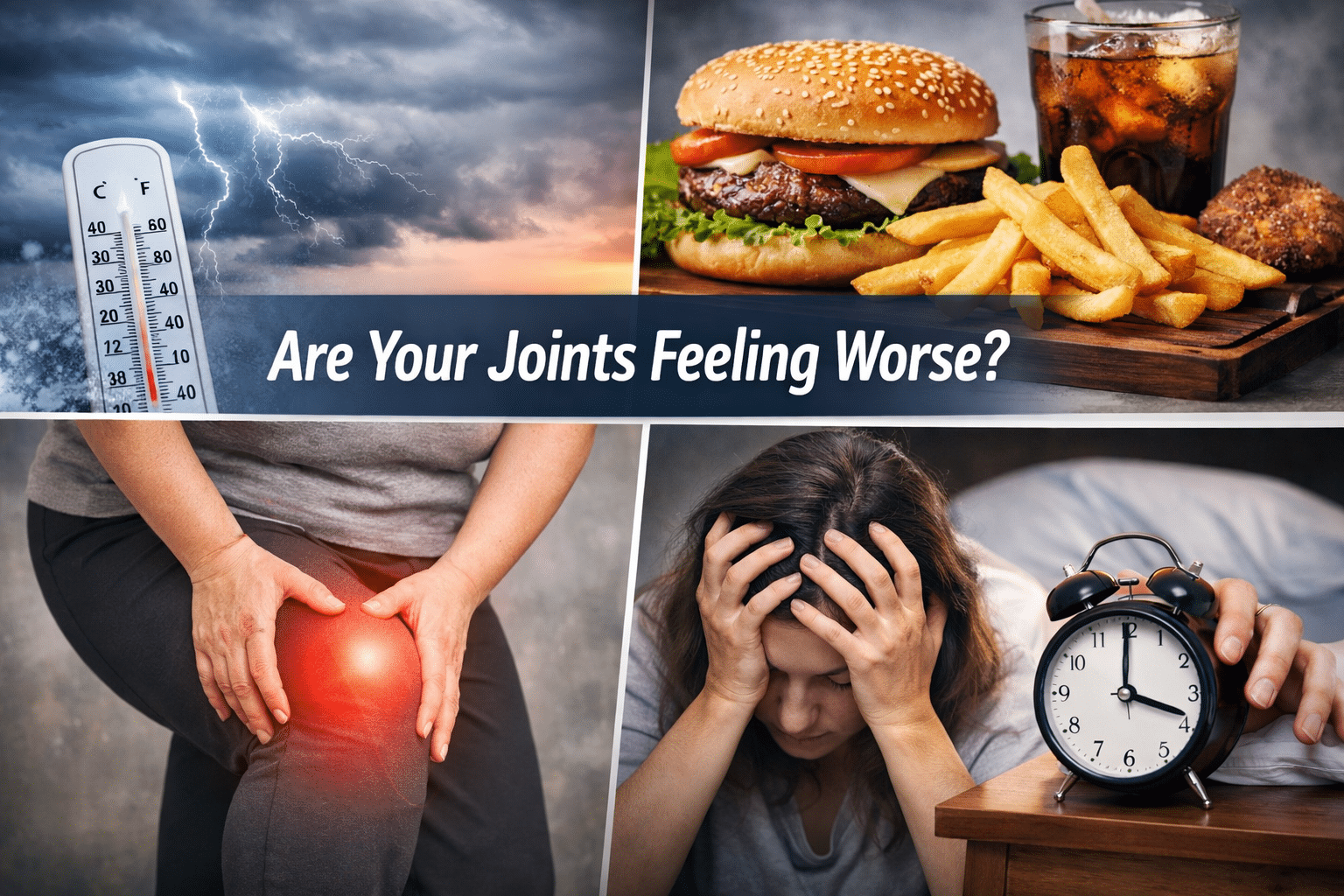
Are you feeling exhausted all the time? Do you find it hard to focus at work or school? You may be one of the many people not getting enough sleep. According to the National Sleep Foundation, adults should get 7-9 hours of sleep per night. If you’re not getting that much sleep, you may show sleep deprivation signs. In this blog post, we will discuss signs that you’re not getting enough sleep – and what to do about it!
You Can Fall Asleep Anywhere, Anytime

It’s no secret that sleep is essential for our health. Sleep helps our bodies to heal and repair, and it also gives our brains a chance to rest and process information from the day. However, sometimes we find ourselves in a sleep deficit; not getting enough sleep leads to many problems, including difficulty concentrating, moodiness, and weight gain. One of the most common signs of a sleep deficit is falling asleep anywhere, anytime. If you find yourself nodding off in the middle of the day or falling asleep as soon as your head hits the pillow at night, it’s a good indication that you’re not getting enough sleep.
You’re Constantly Hungry

Finding yourself constantly hungry may be a sign that you’re not getting enough sleep. When you don’t get enough rest, your body produces more of the hormone ghrelin, which increases appetite. Research has shown that sleep-deprived people are likelier to make unhealthy choices and crave high-calorie foods. Additionally, lack of sleep can interfere with the body’s ability to process glucose, leading to increased hunger and cravings for sugary foods. So if you’re struggling to control your appetite, ensure you’re getting enough shut-eye. Getting a good night’s sleep won’t just help you stay slim.
You Hit Snooze, Constantly

When you find yourself constantly hitting snooze on your alarm clock, it may be a sign that you are not getting enough sleep. According to the National Sleep Foundation, adults should aim for seven to nine hours of sleep per night. However, many people fall short of this goal, getting only six hours of sleep or less. Lack of sleep can have many consequences, including fatigue, irritability, and difficulty concentrating. It can also lead to health problems such as obesity, diabetes, and heart disease. If you find yourself struggling to get a good night’s sleep, there are a few things you can do to improve the situation:
- Avoid caffeine and alcohol before bed.
- Create a relaxing bedtime routine.
- Make sure your bedroom is dark, quiet, and cool.
Taking these steps can help ensure you get the restful sleep you need