Exercise is vital for everyone, regardless of age. However, exercise is essential for seniors to maintain both physical and mental health. If you are getting older, you are probably well aware of some of the changes that are starting to happen. From more aches and pains to a decrease in energy levels, it can be easy to become sedentary. However, research has shown that exercise is one of the most effective ways to combat many age-related changes. If you are curious about which changes, keep reading to learn the benefits of exercise for seniors!
How Often Should Seniors Exercise?
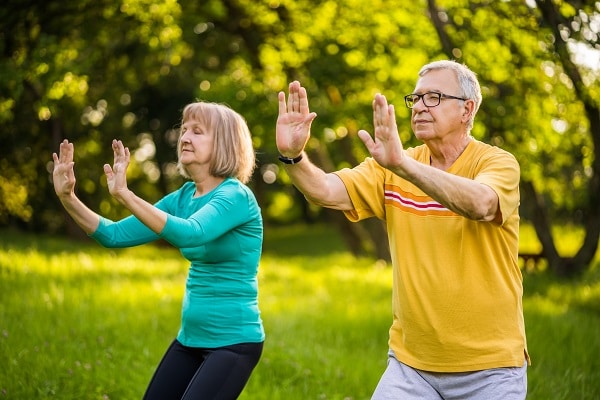
One of the first questions is how much exercise do you need as a senior citizen to get the benefits? And that’s a great question! The National Institute on Aging recommends that seniors aim for at least 150 minutes of moderate aerobic activity every week, such as walking, swimming, or gardening. In addition, they suggest strength training two or more days a week to help preserve muscle mass.
However, it’s important to check with a doctor before starting any new exercise routine, as some seniors may have health conditions that need to be considered. For example, those with arthritis may need to avoid high-impact activities in favor of low-impact ones. Ultimately, the best exercise routine for seniors is a safe one, prescribed by a doctor if necessary, and one that they will stick to. With a little planning, seniors can maintain their health and independence well into their golden years.
The Benefits Of Exercise For Seniors

As long as you are getting the recommended amount of exercise, myriad benefits come with it. For example, regular exercise has been shown to:
- Improve cognitive function
- Lower the risk of falls
- Reduce depression and anxiety
- Increase life expectancy
- Boost energy levels
- Improve sleep quality
But just reading a list of benefits isn’t enough to get you excited about exercising. So, let’s take a closer look at some of the most impactful benefits of exercise for seniors.
Improved Cognitive Function

As people age, they often worry about losing their mental sharpness. Fortunately, some things can be done to help keep the mind sharp, and one of the best is exercise. Exercise has been shown to improve blood flow to the brain, providing more oxygen and nutrients to cells. This can help to protect against damage from Alzheimer’s and other age-related diseases.
In addition, exercise has been shown to increase the production of neurotrophic factors, which help to support the growth and survival of neurons. As a result, exercise can help to keep the brain healthy and improve cognitive function in seniors. So if you’re looking for a way to stay mentally sharp as you age, don’t forget to add exercise to your routine.
Lower The Risk Of Falls

Unsurprisingly, many people become less active when they become seniors. This can lead to several health problems, including an increased risk of falling. Falls are a leading cause of injury in seniors and can often be prevented with regular exercise. Exercise helps to improve balance and coordination, two essential skills for preventing falls.
Furthermore, it helps to increase muscle strength and flexibility, reducing the risk of falls. For seniors concerned about falling, regular exercise is an effective way to lower the risk. And plenty of activities can be tailored to each individual’s fitness level. Even simple exercises like walking or gentle stretching can make a difference in preventing falls.