

Everyday Foods That Can Worsen Acid Reflux Symptoms
Understanding which common dietary choices may trigger heartburn and digestive discomfort can help manage this widespread condition.
Acid reflux, medically known as gastroesophageal reflux, affects millions of adults worldwide and occurs when stomach acid flows backward into the esophagus. This uncomfortable condition manifests as heartburn, regurgitation, and a burning sensation in the chest. While medications can help manage symptoms, dietary modifications remain a cornerstone of treatment. The foods we consume daily can significantly influence the frequency and severity of acid reflux episodes, making awareness of potential dietary triggers an essential component of symptom management for those who experience this condition regularly.
How Acidic Fruits and Sauces Trigger Heartburn
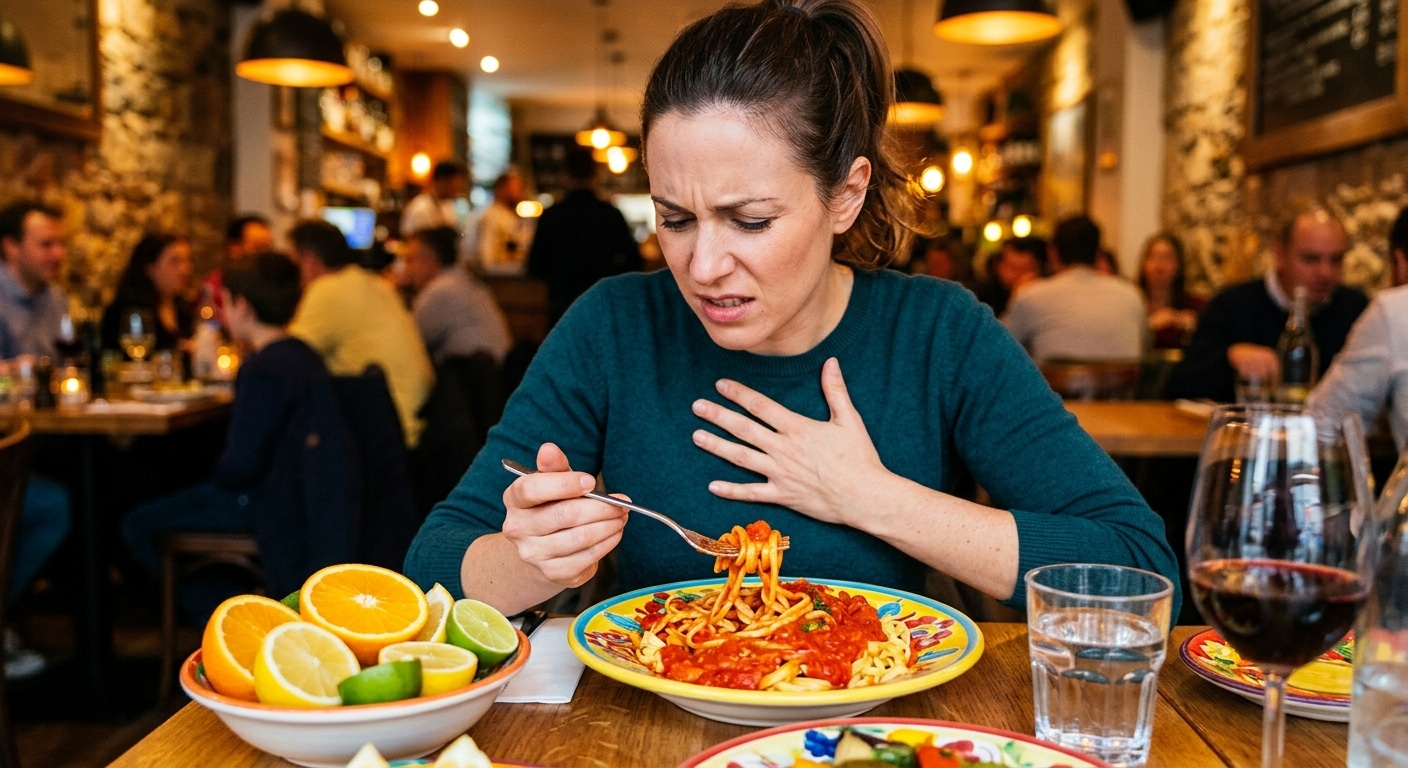
Citrus fruits including oranges, lemons, grapefruits, and limes contain high levels of citric acid that can irritate the esophageal lining and exacerbate acid reflux symptoms. The American College of Gastroenterology notes that acidic foods can lower the pH of the stomach contents, potentially increasing the irritation caused when reflux occurs. For individuals already experiencing weakened lower esophageal sphincter function, consuming these foods may worsen discomfort.
Tomato-based products present similar challenges. Tomato sauces, ketchup, salsa, and tomato soup are staples in many diets but rank among the most frequently reported triggers for acid reflux sufferers. The combination of natural acidity and the common practice of adding garlic and onions to tomato dishes can create a particularly problematic meal for those managing reflux symptoms.
The National Institute of Diabetes and Digestive and Kidney Diseases identifies dietary modification as a first-line approach for managing gastroesophageal reflux disease, recommending that patients identify and avoid their personal trigger foods.
Why High-Fat Meals Promote Digestive Discomfort
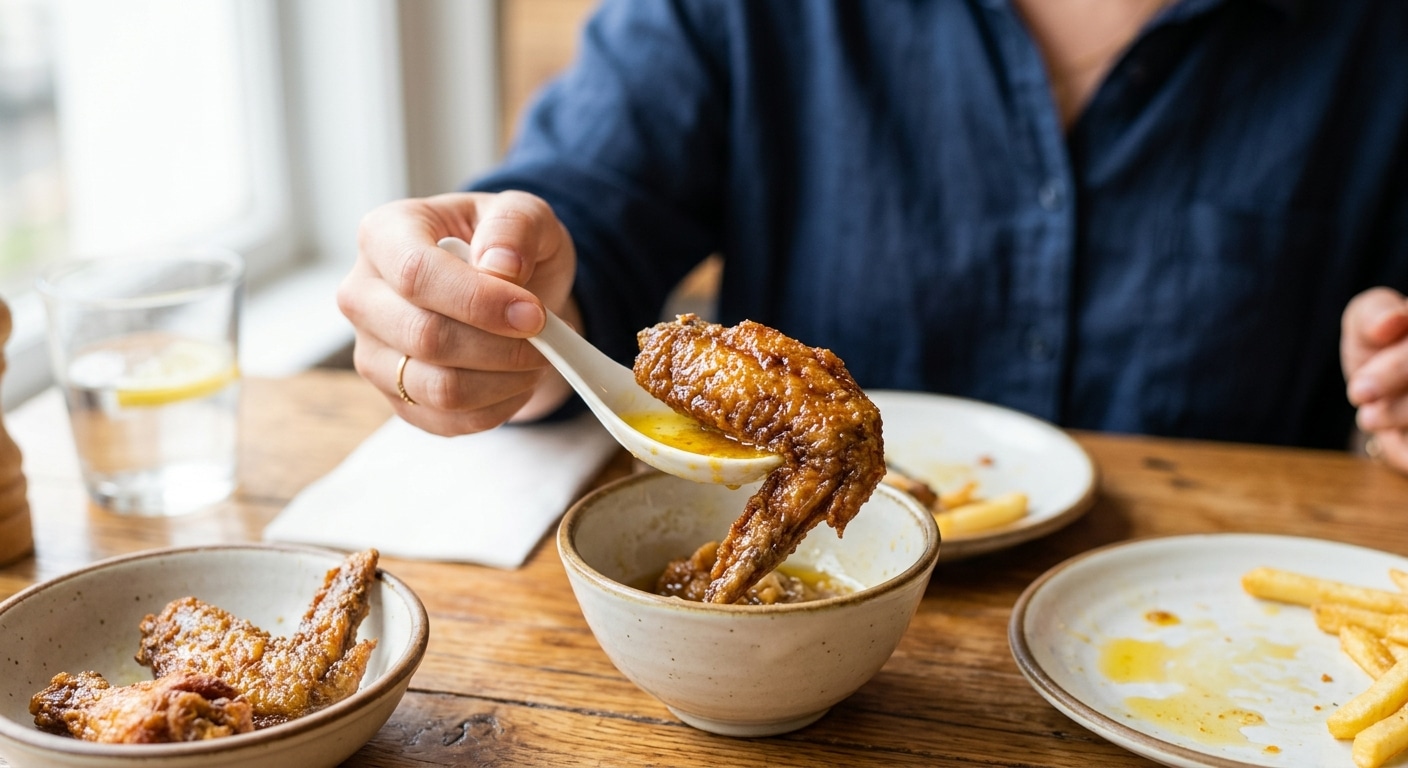
Fatty foods are among the most well-documented contributors to acid reflux symptoms. High-fat meals slow gastric emptying, meaning food remains in the stomach longer and increases the opportunity for acid to reflux into the esophagus. Additionally, fat consumption stimulates the release of cholecystokinin, a hormone that can relax the lower esophageal sphincter and allow stomach contents to travel upward more easily.
Fried foods compound these effects by adding substantial fat content to otherwise moderate dishes. French fries, fried chicken, onion rings, and deep-fried appetizers can transform a tolerable meal into one that triggers significant heartburn. Fast food meals, which typically combine fried items with high-fat sauces and large portions, represent a particularly challenging combination for reflux management.
Found in butter, cheese, and red meat; associated with delayed stomach emptying
Present in some processed foods; may worsen digestive function
High oil absorption increases overall fat content substantially
Alfredo, béarnaise, and similar sauces combine multiple fat sources
Common Drinks That May Aggravate Reflux

Coffee, both regular and decaffeinated, has been associated with increased acid reflux symptoms in many individuals. The relationship between coffee and reflux appears to involve multiple mechanisms, including the beverage’s natural acidity and its effect on lower esophageal sphincter pressure. Tea, particularly varieties with higher caffeine content, may produce similar effects in sensitive individuals.
Carbonated beverages introduce another complicating factor. The carbon dioxide in sodas, sparkling water, and carbonated alcoholic drinks causes stomach distension, which can increase pressure on the lower esophageal sphincter and promote reflux. Alcohol consumption independently relaxes the sphincter muscle and increases stomach acid production, making alcoholic beverages a dual-action trigger for many reflux sufferers.
Trigger foods and beverages vary significantly between individuals. Medical professionals generally recommend keeping a food diary to identify personal patterns rather than eliminating all potential triggers preemptively.
Capsaicin and Other Compounds That Irritate the Esophagus

Spicy foods containing capsaicin, the compound responsible for the heat in chili peppers, can irritate an already inflamed esophageal lining. Black pepper, hot sauces, curry dishes, and foods seasoned with cayenne or red pepper flakes frequently appear on lists of reported reflux triggers. The irritation may occur both during consumption and when refluxed stomach contents contact the esophagus.
Garlic and onions, while not spicy in the same manner as peppers, contain compounds that may relax the lower esophageal sphincter and slow digestion. These ingredients appear in countless recipes and can be difficult to avoid entirely, though reducing quantities or cooking methods that mellow their effects may help some individuals tolerate them better.
Sweet Treats That Can Undermine Digestive Health

Chocolate contains methylxanthine, a compound that relaxes the lower esophageal sphincter and may permit acid to escape into the esophagus more readily. The combination of this effect with chocolate’s fat content and the caffeine present in cocoa makes it a commonly reported trigger food. Dark chocolate, milk chocolate, and chocolate-containing desserts all present similar concerns for reflux-prone individuals.
Peppermint and spearmint, often consumed as after-dinner aids to digestion, paradoxically may worsen acid reflux symptoms. The menthol in mint relaxes the lower esophageal sphincter muscle, potentially negating any soothing effects the mint might have on the stomach itself. Mint-flavored candies, teas, and gums can all contribute to this effect.
Managing acid reflux through diet requires personalized attention to individual triggers. While certain foods commonly provoke symptoms, not every person will react identically. Systematic identification of personal triggers through careful observation and dietary documentation provides the most effective foundation for long-term symptom control.
How Meal Habits Influence Stomach Acid Problems
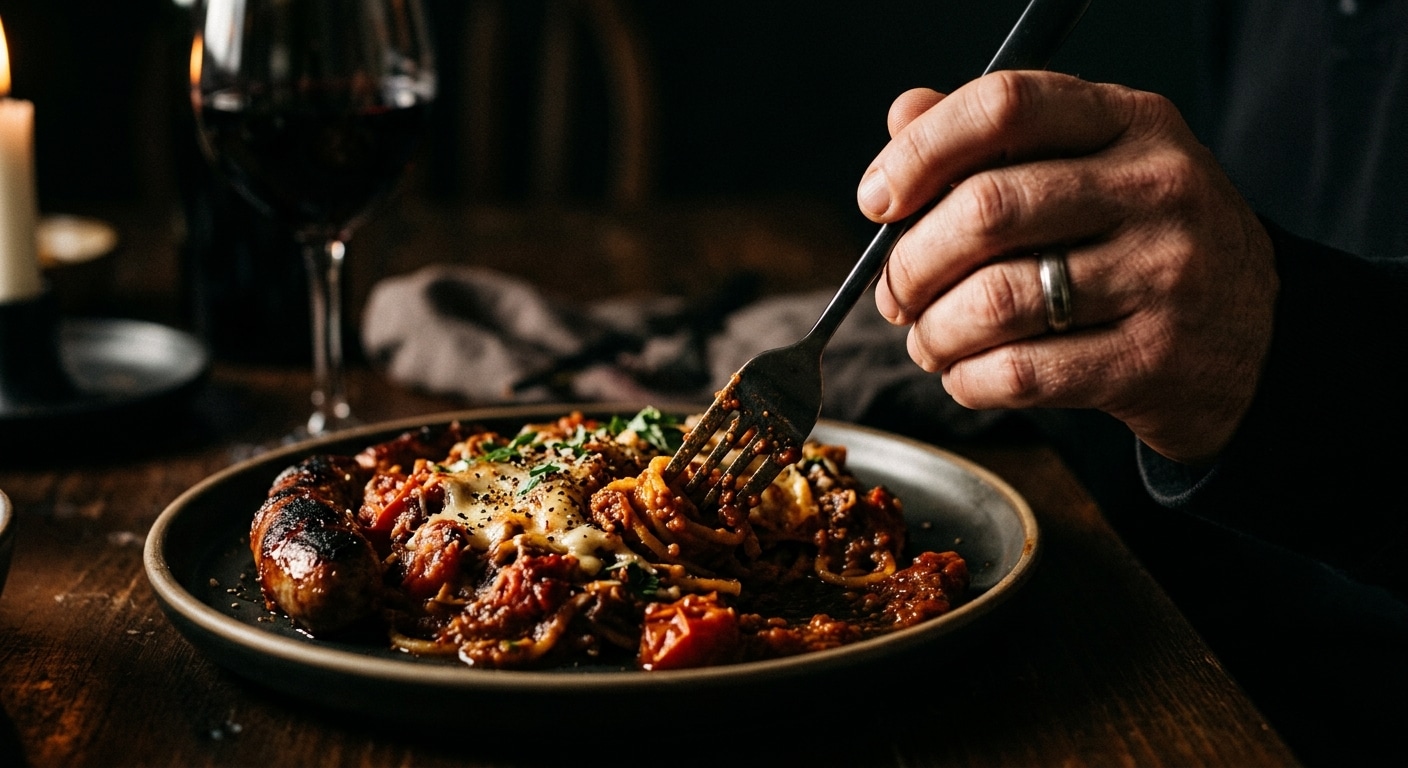
Beyond specific food choices, the quantity consumed and timing of meals significantly affect acid reflux frequency. Large meals distend the stomach and increase pressure on the lower esophageal sphincter, making reflux more likely regardless of the foods involved. Eating smaller, more frequent meals allows for better digestion and reduces the mechanical pressure that promotes acid backflow.
Eating within two to three hours of lying down represents another well-documented risk factor. When the body moves to a horizontal position, gravity no longer helps keep stomach contents in place. Medical guidance typically recommends finishing meals at least three hours before bedtime and avoiding late-night snacking to minimize nighttime reflux episodes, which can be particularly disruptive to sleep quality and overall well-being.
Managing acid reflux through dietary awareness requires patience and attention to individual responses rather than rigid adherence to general guidelines. While citrus fruits, fatty foods, caffeine, spicy ingredients, and certain treats commonly trigger symptoms, the specific combinations that affect each person vary considerably. Working with healthcare providers to develop personalized dietary strategies, maintaining awareness of eating habits and their consequences, and making gradual adjustments based on observed patterns offers the most sustainable path toward reducing the burden of this prevalent digestive condition on daily life and long-term health.