Feeling exhausted throughout the day but unable to fall asleep at night is a frustrating and surprisingly common experience. Many people assume that being tired should naturally lead to restful sleep, yet the body and mind do not always follow that pattern. This imbalance can affect concentration, mood, and overall health, often creating a cycle that feels difficult to break. Several factors, including disrupted routines, mental stress, and lifestyle habits, can interfere with the body’s natural sleep processes. Understanding why this happens is an important step toward restoring a healthier rhythm and improving both daytime energy and nighttime rest.
Contents
Disrupted Circadian Rhythm

The circadian rhythm is the body’s internal clock, responsible for regulating sleep and wake cycles over a 24-hour period. It is influenced by external cues such as light, darkness, and daily routines. When this rhythm becomes misaligned, the body may send confusing signals, making a person feel alert at night and sluggish during the day. Irregular sleep schedules, shift work, or frequently changing bedtimes can all disrupt this natural timing system.
Exposure to artificial light, especially from phones, computers, and televisions, plays a major role in this disruption. Blue light emitted from screens can delay the release of melatonin, the hormone that signals the body it is time to sleep. As a result, even when physical fatigue is present, the brain may remain stimulated and awake. Over time, this mismatch between the body’s internal clock and daily habits can lead to persistent fatigue during the day and difficulty falling asleep at night.
The Role of Stress and Anxiety

Stress and anxiety can have a significant impact on both daytime energy levels and nighttime sleep quality. When the body experiences stress, it releases hormones like cortisol, which are designed to keep a person alert and prepared to respond to challenges. While this response is helpful in short bursts, ongoing stress can keep the body in a heightened state of alertness, making it difficult to relax when it is time to sleep.
At night, this often shows up as racing thoughts, worry, or an inability to “shut off” the mind. Even when the body feels physically tired, the brain may remain active, replaying events or anticipating future concerns. This mental activity can delay sleep onset and reduce overall sleep quality. As a result, the next day begins with low energy, continuing the cycle of fatigue and restlessness.
Poor Sleep Habits and Environment

Sleep habits, often referred to as sleep hygiene, play a major role in determining how easily the body transitions into restful sleep. Inconsistent bedtimes, late-night screen use, and stimulating activities before bed can all interfere with the body’s ability to wind down. When the brain associates the evening with activity rather than relaxation, it becomes harder to shift into a sleep-ready state.
The physical sleep environment also has a direct impact on sleep quality. Factors such as room temperature, noise levels, and lighting can either support or disrupt restful sleep. A room that is too bright, too warm, or too noisy may prevent the body from reaching deeper stages of sleep. Even if sleep does occur, it may not be restorative, leading to feelings of fatigue the following day despite spending enough time in bed.
Hidden Effects of Diet and Caffeine

Diet plays a significant role in regulating both energy levels during the day and sleep quality at night. Caffeine, found in coffee, tea, energy drinks, and even some medications, is a stimulant that can remain in the body for several hours after consumption. While it may provide a temporary boost in alertness, it can also interfere with the body’s ability to wind down later in the evening. Even consuming caffeine in the afternoon can delay the onset of sleep, making it harder to fall asleep despite feeling tired.
Food choices and meal timing can also influence sleep patterns. Eating heavy or rich meals late in the evening can lead to discomfort, indigestion, or acid reflux, all of which can disrupt sleep. High-sugar foods may cause rapid spikes and crashes in blood sugar levels, contributing to fluctuations in energy throughout the day. These dietary patterns can create a cycle where the body feels sluggish during waking hours but overstimulated or uncomfortable at night, interfering with restful sleep.
Lack of Physical Activity

Regular physical activity is closely linked to better sleep quality and more consistent energy levels. Exercise helps regulate the body’s internal clock and promotes deeper stages of sleep, allowing for more effective rest and recovery. When physical activity is limited, the body may not build up enough sleep pressure, which is the natural drive to fall asleep after being awake for an extended period. This can make it harder to feel ready for sleep, even after a full day.
A sedentary lifestyle can also contribute to feelings of fatigue, as the body becomes less efficient at maintaining energy levels. Without regular movement, circulation and overall physical conditioning may decline, leading to increased tiredness during the day. At the same time, a lack of physical exertion can leave the mind more active at night, making it difficult to relax. While exercise is beneficial, the timing also matters, as intense workouts too close to bedtime may temporarily increase alertness and delay sleep onset.
Underlying Health Conditions
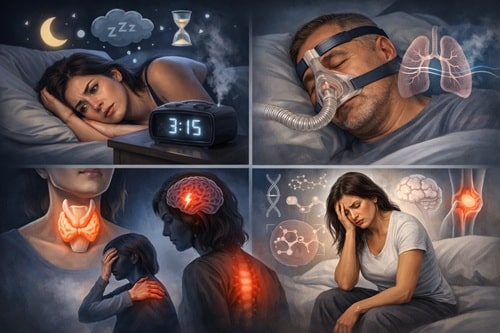
Persistent fatigue combined with difficulty sleeping can sometimes be linked to underlying health conditions. Disorders such as insomnia can make it difficult to fall or stay asleep, even when the body is tired. Sleep apnea, a condition where breathing repeatedly stops and starts during sleep, can prevent the body from reaching deep, restorative stages of rest. These disruptions often go unnoticed but can significantly impact how a person feels during the day.
Other medical issues, including thyroid imbalances, depression, or chronic pain conditions, can also affect both energy levels and sleep quality. These conditions may alter hormone levels, mood, or physical comfort, all of which play a role in sleep regulation. When fatigue and sleep difficulties persist despite lifestyle changes, it may indicate a need for further evaluation. Identifying and addressing any underlying condition is an important step in restoring a more balanced sleep pattern and improving overall well-being.
How to Reset Your Sleep Pattern

Resetting a disrupted sleep pattern often begins with establishing a consistent daily routine. Going to bed and waking up at the same time each day helps reinforce the body’s internal clock, making it easier to fall asleep and wake up naturally. Exposure to natural light in the morning can further support this process by signaling to the brain that it is time to be alert and active. Over time, these consistent cues help regulate sleep hormones and improve overall sleep quality.
Creating a calming nighttime routine can also make a meaningful difference in preparing the body for rest. Activities such as reading, stretching, or practicing relaxation techniques can signal that it is time to wind down. Reducing screen time before bed and limiting caffeine intake later in the day can help prevent unnecessary stimulation. Making adjustments to the sleep environment, such as keeping the room dark, quiet, and cool, can further support deeper and more restorative sleep.
Finding Balance Between Energy and Rest
Feeling tired all day while struggling to sleep at night often results from a combination of lifestyle habits, stress, and possible underlying health factors. This pattern can create a frustrating cycle that affects both physical and mental well-being over time. Addressing the issue requires a closer look at daily routines, sleep habits, and environmental influences that may be interfering with natural rhythms. Small, consistent changes, such as improving sleep hygiene and managing stress, can gradually restore balance. By taking steps to support healthier sleep patterns, it becomes possible to improve energy levels, enhance focus, and promote long-term overall health.