A resident of Washington state has died after complications from a bird flu infection, according to the Washington State Department of Health. The person, an older adult with underlying health issues, had been hospitalized while being treated for H5N5 avian influenza — a strain never before reported in humans.
This marks the first documented human case of bird flu in the United States in nine months, and only the second human death from the virus in the country. Despite this, experts from the U.S. Centers for Disease Control and Prevention continue to stress that the risk to the general public remains low.
Investigation and Transmission
Health officials are closely monitoring people who were in close contact with the deceased, but so far no additional infections have been confirmed, and there is no evidence of human‑to‑human transmission. According to the Washington State Department of Health: “The person had a backyard flock of mixed domestic birds,” and environmental testing detected avian influenza virus in the flock’s surroundings. This suggests that the most probable source of exposure was contact with the domestic poultry, their environment, or possibly wild birds.
While bird flu has circulated among wild birds globally for decades, the current U.S. outbreak — which began in January 2022 — has stood out for its more frequent spread among mammals than in prior years. To date, the CDC reports about seventy human cases linked to this outbreak. Another elderly person with underlying health conditions died earlier this year in January following infection.
Though a small number of infections have been severe, most diagnosed individuals have experienced mild illness, including symptoms like red eyes and fever, according to the CDC. The majority of people infected have had close contact with animals: of the U.S. cases, forty‑one involved workers who care for cattle, twenty‑four were poultry workers, two had exposure to other types of animals, and in three cases, the source of exposure remains unknown.
In response, the CDC urges anyone working closely with animals to wear protective equipment and to exercise caution when dealing with animal waste. They also recommend taking care when cleaning bird feeders or other surfaces contaminated by bird droppings, and avoiding contact with wildlife that appears sick or is deceased.
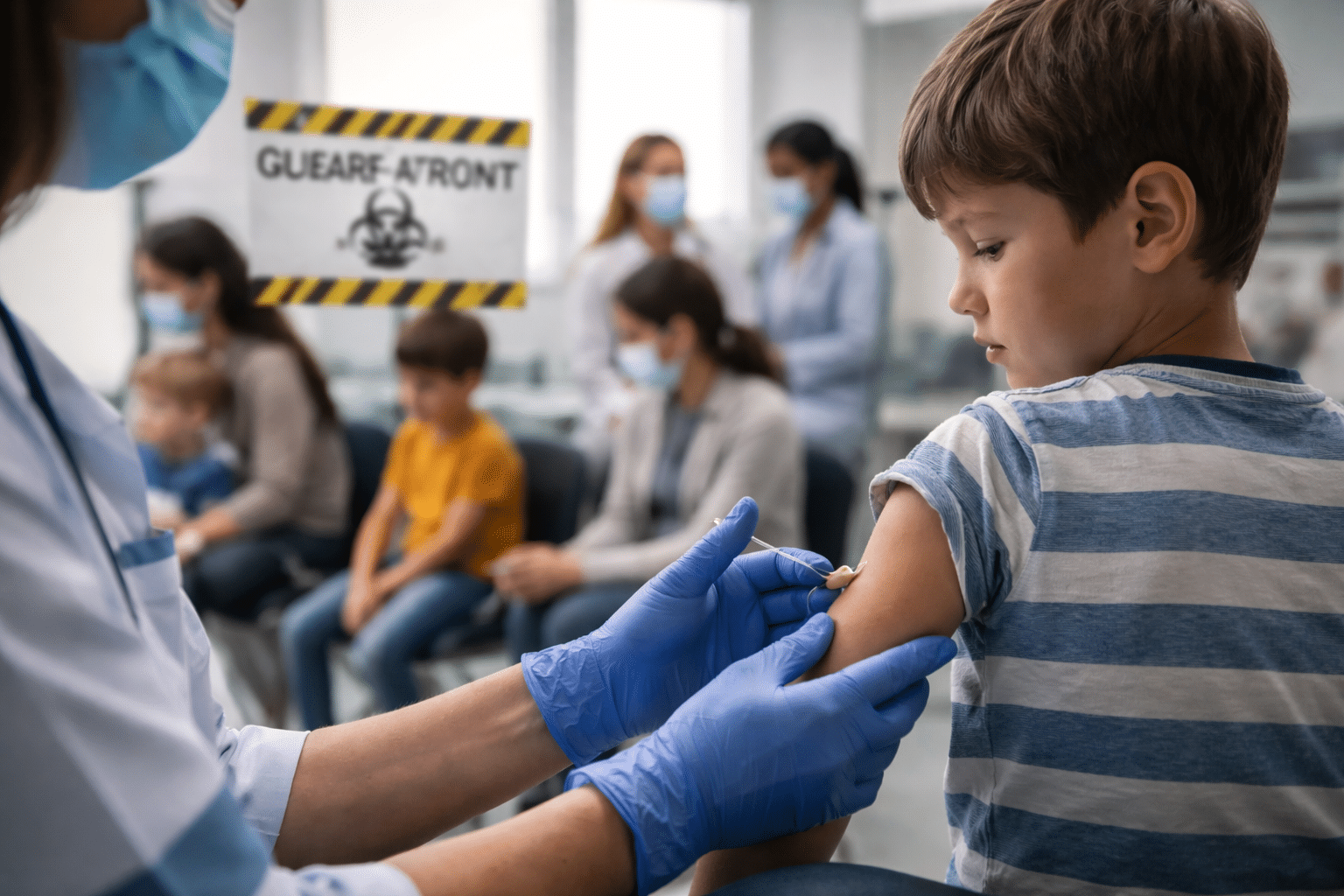
Washington’s health department additionally advises that individuals who may come into contact with domestic or wild birds get a seasonal flu shot. While the standard influenza vaccine does not shield against bird flu, it helps reduce the small risk that someone could become infected with both viruses at the same time — a situation that might theoretically encourage the bird flu virus to mutate into a form more easily spread between humans.
Conclusion
This rare fatality from the H5N5 bird flu strain in Washington highlights the ongoing zoonotic risk, especially for those in contact with birds. While human infections remain scarce and human‑to‑human transmission has not been detected, public health officials emphasize prevention measures. Wearing protective gear, minimizing exposure to contaminated environments, and staying up to date with regular flu vaccinations are all key strategies to reduce the chance of further spread.