A recent study has found that frequent reliance on artificial intelligence for detecting cancer during medical procedures may cause a decline in doctors’ diagnostic abilities when AI is not available. The research, published this week, examined how continuous use of AI in colonoscopy procedures affected doctors’ performance once the technology was removed from the process.
The study specifically looked at endoscopists who regularly used AI during colonoscopies to identify early signs of cancer. When these doctors conducted the procedure without AI assistance, their detection rates dropped significantly, averaging about six percentage points lower compared to when AI was involved. This raised concerns about a potential “de-skilling” effect, where overreliance on technology diminishes human expertise.
International Collaboration and Trial in Poland
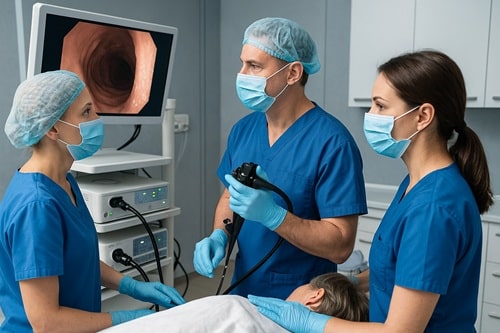
The findings were published in The Lancet Gastroenterology & Hepatology by a team of medical professionals and researchers from several countries, including Poland, Norway, Sweden, the United Kingdom, and Japan. The study focused on doctors at four endoscopy centers in Poland participating in a trial that assessed AI’s role in colonoscopies as a means of cancer prevention.
Researchers aimed to determine if repeated exposure to AI assistance would alter a doctor’s independent diagnostic performance. The results suggest that while AI can improve detection rates in the moment, it may unintentionally weaken a doctor’s own ability to identify signs of cancer when technology is absent.