Staying active doesn’t need to be complicated, time-consuming, or extreme to make a difference. Simple exercises can strengthen the heart, increase circulation, and improve overall energy levels. A sedentary lifestyle remains one of the biggest threats to long-term health, but building small, consistent habits around movement can dramatically reduce those risks. The key is sustainability. By focusing on low-barrier exercises that are easy to incorporate into daily life, anyone can improve heart function and extend their quality of life over time without needing a gym membership or hours to spare.
Contents
Walking: The Most Underrated Heart Booster

Walking is a powerful tool for heart health that many overlook. Brisk walking helps improve blood flow, regulate blood sugar, and reduce blood pressure. Even a 20-minute daily walk can stimulate circulation and improve cardiovascular endurance. It’s accessible for almost everyone and doesn’t require any equipment or special location. Consistency with walking builds a strong foundation for heart-focused fitness.
One of the most effective ways to enhance a walking routine is by adding hills or stairs to naturally increase heart rate. Swinging arms and picking up pace gradually boosts oxygen delivery and strengthens the heart over time. Walking can also be social or meditative, making it easier to commit to long-term. Morning walks kickstart metabolism, while evening walks help relieve the day’s stress.
Cycling: Low Impact, High Return

Cycling is a joint-friendly cardiovascular exercise that offers significant heart benefits without straining knees or ankles. Whether done indoors or on a bike path, cycling improves endurance, lowers resting heart rate, and builds leg strength. Even short sessions a few times a week can help regulate cholesterol levels and improve heart rhythm. It’s ideal for all fitness levels and can be tailored to fit into almost any schedule.
Outdoor cycling adds an extra layer of mental wellness by connecting movement with fresh air and scenery. For those short on time or in colder climates, a stationary bike offers the same heart-pumping effects. The ability to adjust resistance means each workout can be customized for gentle or vigorous effort. Over time, the heart becomes more efficient, making this exercise both practical and powerful.
Swimming: A Full-Body Cardio Solution
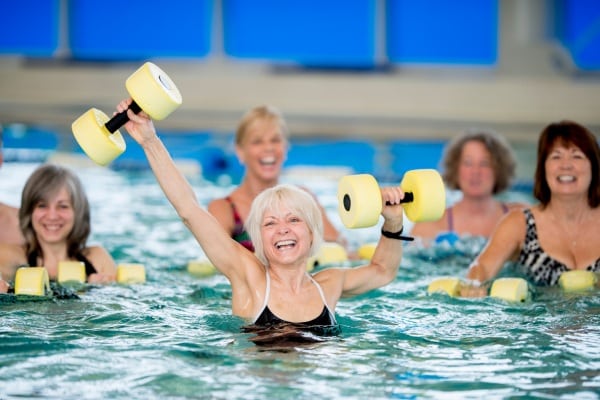
Swimming offers a full-body workout that targets the cardiovascular system without high impact on joints. The water supports the body, making it an ideal choice for older adults or those recovering from injury. Every stroke requires coordinated breathing, arm, and leg movement, giving the heart a steady, effective workout. Just 30 minutes of moderate swimming a few times a week can yield long-lasting heart benefits.
Aside from physical rewards, swimming also reduces stress, which plays a major role in overall heart health. The rhythmic nature of the exercise encourages relaxed breathing and mental calm. Whether doing laps, water aerobics, or simply treading water, the heart stays active and engaged. As a lifelong activity, swimming remains a top-tier exercise for cardiovascular strength.
Strength Training: More Than Just Muscle Building

Strength training plays a crucial role in heart health by improving body composition and supporting metabolic function. Muscle burns more calories at rest, which helps regulate blood sugar and reduce excess fat—a major risk factor for heart disease. Exercises like squats, planks, and push-ups can be done at home and require little to no equipment. The focus is on building lean muscle and increasing stamina.
Alternating between strength training days and cardio routines provides a balanced approach to fitness. Unlike long cardio sessions that can sometimes raise stress hormones, short strength sessions support a strong, steady heartbeat over time. A stronger body moves more efficiently and reduces strain on the heart. Regular strength workouts also improve posture and balance, making other heart-healthy activities more effective.