Contents
Potential Benefits and Risks for Older Adults
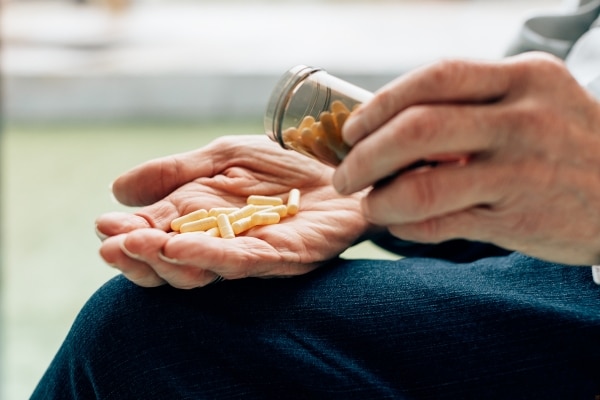
Nootropics may offer several cognitive benefits for older adults, particularly in areas like memory retention, mental clarity, and focus. Some studies suggest that natural nootropics, such as Bacopa monnieri and ginseng, can enhance memory and slow cognitive decline. These substances work by supporting neurotransmitter function, reducing inflammation, and improving brain circulation. Additionally, some synthetic nootropics, like modafinil, have been linked to improved alertness and mental processing, which could benefit those experiencing mild cognitive impairment. While these effects are promising, results vary based on individual health conditions, lifestyle, and dosage.
However, nootropics are not without risks, especially for older adults who may already be taking prescription medications. Certain nootropics can interact negatively with blood thinners, heart medications, or drugs that affect neurotransmitters. Side effects such as headaches, nausea, insomnia, and increased heart rate are also concerns, particularly with synthetic nootropics. Long-term safety remains unclear, as many studies focus on short-term effects rather than prolonged use. Given these potential risks, older adults considering nootropics should consult a healthcare provider before adding them to their routine.
Lifestyle Factors That Enhance or Hinder Cognitive Benefits

While nootropics may provide cognitive support, their effectiveness is greatly influenced by lifestyle choices. A diet rich in antioxidants, healthy fats, and essential nutrients can enhance brain function naturally. The Mediterranean diet, which includes fish, nuts, olive oil, and leafy greens, is widely recognized for its neuroprotective benefits. Regular exercise also plays a crucial role, as physical activity improves blood flow to the brain and promotes the growth of new neurons. Without these foundational habits, even the most potent nootropics may have limited impact on cognitive performance.
In contrast, poor lifestyle choices can counteract the benefits of nootropics and accelerate cognitive decline. Chronic stress, lack of sleep, and social isolation have all been linked to impaired memory and mental fog. Sleep deprivation, in particular, can reduce the brain’s ability to process and retain information, making it harder for nootropics to be effective. Additionally, excessive consumption of alcohol or processed foods may contribute to inflammation and oxidative stress in the brain. For optimal cognitive health, older adults should combine nootropic use with a well-rounded approach that includes proper nutrition, exercise, mental stimulation, and stress management.
Should Older Adults Try Nootropics?

Deciding whether to use nootropics is a personal choice that depends on individual health needs, lifestyle, and risk tolerance. For those experiencing mild cognitive decline, natural nootropics like ginkgo biloba and omega-3s may offer subtle improvements without significant side effects. However, those with pre-existing medical conditions or on multiple medications should be cautious about potential interactions. Consulting a healthcare professional is essential to ensure safety and effectiveness, as some nootropics may not be suitable for all individuals. Starting with a low dose and monitoring effects over time can also help minimize risks.
Beyond nootropics, there are alternative strategies to maintain cognitive sharpness. Engaging in regular mental exercises, such as puzzles, reading, and learning new skills, has been shown to strengthen neural connections. Social interaction also plays a vital role in brain health, reducing the risk of cognitive decline and depression. Additionally, adopting a healthy sleep routine and managing stress effectively can significantly impact cognitive function. While nootropics may provide an extra cognitive boost, they should be seen as a complement to—not a replacement for—an overall brain-healthy lifestyle.
Finding the Right Approach to Cognitive Health
Nootropics have gained attention as a potential tool for maintaining cognitive function in older adults, but their effectiveness varies based on individual factors. While some natural nootropics offer promising benefits, synthetic options come with uncertainties regarding long-term safety. Lifestyle choices, including diet, exercise, and mental engagement, remain the foundation of brain health. Older adults interested in nootropics should consult a healthcare professional and approach them as a supplement rather than a solution. A balanced strategy that includes both cognitive-enhancing habits and informed supplementation may be the most effective way to stay sharp and preserve mental clarity with age.