Aging brings many changes, and one of the most concerning for older adults is cognitive decline. Forgetfulness, slower thinking, and difficulty concentrating can impact daily life and independence. As the search for ways to maintain mental sharpness continues, nootropics—substances believed to enhance brain function—have gained significant attention. Some claim these cognitive enhancers can improve memory, focus, and overall brain performance, making them an appealing option for aging individuals. However, the effectiveness and safety of nootropics remain a subject of debate. This article explores how aging affects brain function, what nootropics are, and whether they can truly help older adults stay mentally sharp.
Understanding Cognitive Decline in Aging

As people age, their cognitive abilities naturally change. Memory lapses, slower information processing, and reduced concentration can become more noticeable. These changes occur due to a combination of factors, including decreased blood flow to the brain, the loss of neural connections, and an increase in oxidative stress. While occasional forgetfulness is normal, more severe cognitive decline can impact an individual’s ability to perform everyday tasks and make decisions effectively.
Several factors contribute to cognitive decline, including genetics, lifestyle, and underlying health conditions. Chronic stress, poor sleep, and a sedentary lifestyle can accelerate cognitive aging, while conditions such as hypertension and diabetes can further impair brain function. On the other hand, engaging in mentally stimulating activities, maintaining a healthy diet, and staying physically active can help preserve cognitive health. Understanding these factors is essential when considering the potential role of nootropics in supporting brain function.
What Are Nootropics?

Nootropics, often called “smart drugs” or cognitive enhancers, are substances designed to improve brain function. They can enhance memory, focus, and mental clarity by supporting neurotransmitter activity, increasing blood flow to the brain, and reducing oxidative stress. While nootropics were initially developed for treating cognitive disorders, they are now widely used by students, professionals, and older adults seeking mental sharpness.
These substances fall into three main categories: prescription nootropics, over-the-counter natural nootropics, and synthetic compounds. Prescription options, such as Donepezil and Memantine, are used to treat Alzheimer’s and dementia. Natural nootropics like ginkgo biloba, Bacopa monnieri, and omega-3 fatty acids are believed to support cognitive health. Synthetic compounds like racetams and modafinil have gained popularity for their potential brain-boosting effects, though their long-term safety remains uncertain. Understanding the differences between these types can help older adults make informed decisions about cognitive support.
Scientific Evidence Behind Nootropics for Aging Brains
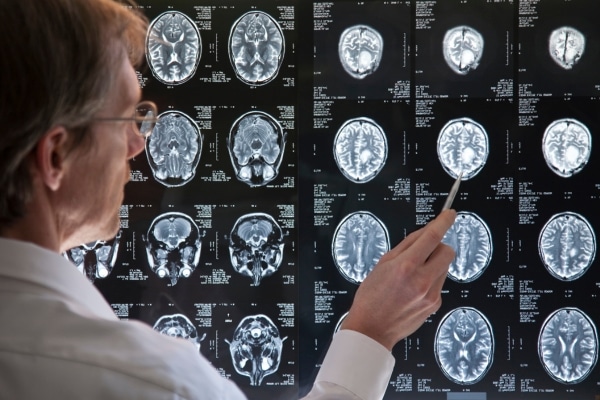
Scientific research on nootropics has produced mixed results, with some studies showing promising benefits while others indicate limited effectiveness. Natural nootropics like ginkgo biloba have been extensively studied for their potential to enhance memory and cognitive function. Some research suggests that it may improve blood circulation in the brain, which can support mental clarity in older adults. Similarly, omega-3 fatty acids, commonly found in fish oil, are known to support brain health by reducing inflammation and promoting neuronal communication. However, while these compounds may contribute to cognitive well-being, their effects can vary based on individual health conditions and dosage.
On the synthetic side, substances like modafinil and piracetam have been explored for their cognitive-enhancing properties. Modafinil, often prescribed for narcolepsy, has shown some benefits in promoting wakefulness and focus. Piracetam, one of the earliest nootropics, has been studied for its potential to improve memory and learning in older adults. However, despite some promising findings, the effectiveness of synthetic nootropics remains a topic of debate due to inconsistent study results and concerns about long-term use. While nootropics may offer cognitive benefits, more research is needed to determine their safety and overall impact on aging brains.