Aging is no longer viewed as an unavoidable decline; instead, science is uncovering ways to redefine how people age. Modern breakthroughs are shifting the narrative from merely living longer to thriving longer, with therapies designed to tackle the biological, cellular, and genetic processes behind aging. From advanced stem cell treatments to microbiome modulation, these innovations aim to enhance physical vitality, cognitive sharpness, and overall well-being as the years go by. The journey to healthy aging is evolving rapidly, and these seven cutting-edge therapies may soon transform what it means to age gracefully.
Contents
- Cellular Reprogramming: Turning Back the Biological Clock
- Senolytics: Clearing Out Aging Cells
- Gene Therapy: Editing the Blueprint of Aging
- Microbiome Modulation: Gut Health as the Key to Longevity
- Peptide Therapies: Harnessing the Power of Proteins
- Hormone Optimization: Balancing the Body’s Natural Regulators
- Advanced Stem Cell Therapies: Regenerating from Within
- Embracing a New Era of Aging
Cellular Reprogramming: Turning Back the Biological Clock

Cellular reprogramming is a groundbreaking therapy aimed at reversing the aging process at the cellular level. This technique involves manipulating specific genes within cells to reset them to a more youthful state. The process can rejuvenate cells, allowing them to function more effectively and repair damage that accumulates with age. By targeting cells’ biological clock, researchers believe this therapy could slow aging and potentially reverse age-related diseases.
Beyond its rejuvenating potential, cellular reprogramming has broader implications for medicine. Early experiments have shown promise in treating degenerative diseases such as Parkinson’s and Alzheimer’s. However, challenges remain in ensuring the safety and precision of this approach before it becomes widely available. The potential for cellular reprogramming to extend both lifespan and healthspan makes it a compelling focus of modern anti-aging research.
Senolytics: Clearing Out Aging Cells
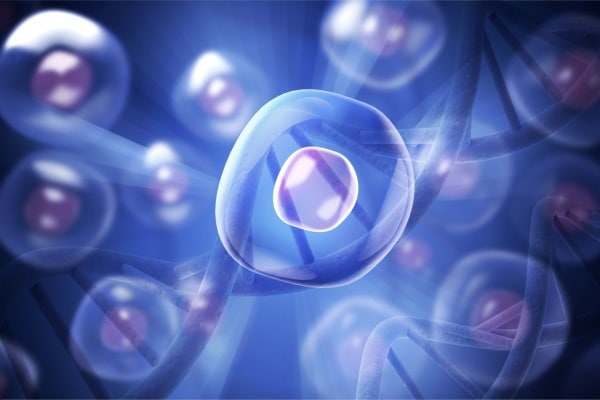
Senolytics offer a promising approach to healthy aging by targeting senescent cells, often called “zombie” cells. These dysfunctional cells no longer divide but persist in the body, contributing to inflammation, tissue damage, and chronic diseases associated with aging. Senolytics are therapies designed to identify and remove these harmful cells, allowing the body to function more efficiently and regenerate damaged tissues.
This therapy has shown early success in improving age-related conditions like arthritis, cardiovascular disease, and even some forms of cognitive decline. By reducing the presence of senescent cells, senolytics may help individuals maintain a higher quality of life as they age. However, research is ongoing to refine these treatments, ensuring they target only senescent cells while sparing healthy ones. If perfected, senolytics could become a key tool in promoting longevity and vitality.
Gene Therapy: Editing the Blueprint of Aging

Gene therapy is at the forefront of aging interventions, offering the ability to alter the very blueprint of life—DNA. This approach uses tools like CRISPR to modify genes associated with aging and longevity, correcting damage that accumulates over time. Scientists are exploring ways to repair mutations and activate protective genes that slow the aging process and improve overall health.
One exciting application of gene therapy is its potential to address genetic predispositions to diseases that accelerate aging. By directly altering these genetic markers, this therapy could reduce the likelihood of developing conditions such as cardiovascular disease and neurodegeneration. However, ethical considerations and long-term risks remain critical factors to address as this technology progresses. Gene therapy holds the promise of not just treating aging symptoms but fundamentally altering the aging process itself.
Microbiome Modulation: Gut Health as the Key to Longevity

The gut microbiome plays a crucial role in aging, influencing everything from immune health to cognitive function. As people age, their microbiome undergoes changes that can lead to increased inflammation and a weakened immune system. Therapies focused on microbiome modulation aim to restore the balance of beneficial bacteria in the gut, reducing the negative impacts of aging.
Emerging approaches include personalized probiotics, prebiotics, and even fecal microbiota transplants designed to improve gut health. Research shows that a healthy gut can enhance nutrient absorption, support mental clarity, and reduce the risk of age-related diseases. With its ability to influence nearly every system in the body, the microbiome is quickly becoming a focal point in the quest for longevity and vitality.
Peptide Therapies: Harnessing the Power of Proteins
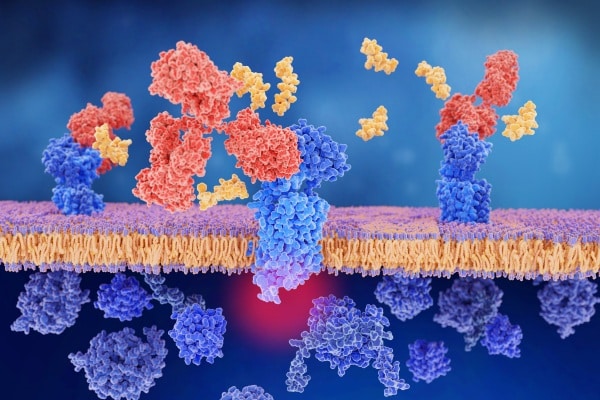
Peptide therapies are gaining traction as a versatile tool for promoting healthy aging. Peptides are short chains of amino acids that act as signaling molecules within the body, regulating processes like cell repair, metabolism, and hormone production. By introducing specific peptides, these therapies can stimulate the body’s natural healing mechanisms, enhancing energy levels and reducing signs of aging.
One of the most exciting aspects of peptide therapy is its ability to target specific functions. For example, peptides like Thymosin Beta-4 promote tissue repair, while others enhance immune function or improve skin elasticity. These therapies are becoming increasingly popular in regenerative medicine, offering a customizable approach to maintaining health and vitality well into old age.
Hormone Optimization: Balancing the Body’s Natural Regulators

Hormones play a vital role in maintaining physical and mental health, but their levels naturally decline with age. This imbalance can lead to fatigue, weight gain, mood swings, and reduced cognitive function. Hormone optimization therapies aim to restore balance by supplementing or enhancing key hormones like testosterone, estrogen, and growth hormone.
Bioidentical hormone replacement therapy (BHRT) is one of the most promising approaches in this field. BHRT uses hormones identical to those produced by the body, minimizing side effects and maximizing effectiveness. While these therapies offer significant benefits, including increased energy and improved mental clarity, they must be carefully tailored to individual needs. When implemented correctly, hormone optimization can significantly enhance the aging process.
Advanced Stem Cell Therapies: Regenerating from Within

Stem cell therapy is one of the most advanced techniques for combating the effects of aging. Stem cells are unique in their ability to transform into specialized cell types, making them invaluable for repairing damaged tissues and promoting regeneration. These therapies involve harvesting stem cells from the body or donors and using them to treat conditions like osteoarthritis, heart disease, and even skin aging.
Recent advancements have made stem cell therapies more accessible and effective. For instance, mesenchymal stem cells, derived from bone marrow or fat tissue, have shown promise in reducing inflammation and enhancing healing. While cost and accessibility remain barriers for widespread use, ongoing research aims to make stem cell therapy a cornerstone of regenerative medicine and healthy aging.
Embracing a New Era of Aging
The therapies discussed here represent the cutting edge of science, offering a glimpse into a future where aging is no longer synonymous with decline. Each breakthrough, from cellular reprogramming to advanced stem cell treatments, holds the potential to enhance quality of life and redefine what it means to grow older. While many of these therapies are still in development, they offer hope for a future where people not only live longer but thrive in their later years. Embracing these innovations may soon transform aging into a journey of vitality, resilience, and possibility.