Muscle mass is crucial for maintaining overall health, mobility, and metabolism, yet many are unaware of how quickly it can diminish. This article delves into seven often overlooked factors that accelerate muscle loss. From dietary missteps to lifestyle habits, understanding these causes is the first step towards preserving your strength and vitality as you age.
Contents
1. Inadequate Protein Intake
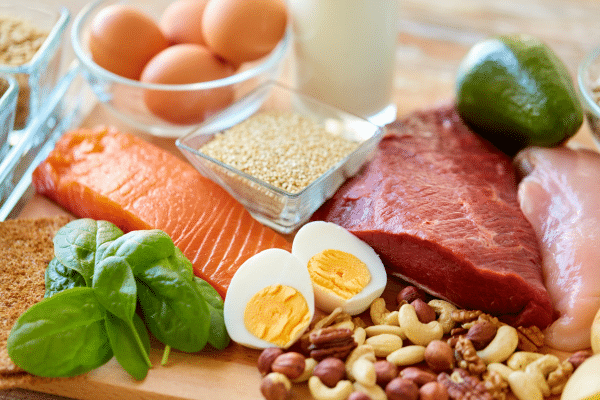
Protein serves as the building block for muscle tissue, playing an essential role in its repair and growth. Despite its importance, many individuals fail to consume sufficient protein, which can lead to muscle atrophy, especially if they are active or aging. The recommended daily protein intake varies by age, activity level, and health goals, but generally, it should comprise a significant portion of one’s diet to support muscle maintenance.
A lack of protein not only impedes the body’s ability to repair muscle tissue but also triggers the body to break down existing muscle to meet its protein needs. This process becomes more pronounced during periods of stress or illness, making adequate protein consumption critical. Symptoms of protein deficiency include fatigue, weakness, and a noticeable loss of muscle mass, which can exacerbate health issues over time.
2. Excessive Cardiovascular Exercise

While cardiovascular exercise is celebrated for its heart health and endurance benefits, an imbalance favoring too much cardio can lead to muscle loss. This is particularly true when long-duration cardio sessions replace strength training, leading the body to use muscle protein as an energy source, thus diminishing muscle mass over time.
To preserve muscle while engaging in cardiovascular workouts, it is important to find a balance. Integrating strength training sessions several times a week ensures that muscles are being stimulated and strengthened, rather than just worn down by excessive cardio. Ideally, a fitness regimen should include a mix of both modalities to optimize health and prevent muscle loss.
3. Not Enough Strength Training

Strength training is fundamental in maintaining and building muscle mass. It stimulates muscle fibers to grow larger and stronger in response to resistance. However, many neglect this form of exercise due to misconceptions about its difficulty or relevance, especially as they age or if they are beginners.
Without regular resistance training, muscles gradually lose their mass and strength, a condition known as sarcopenia, which is common in older adults. Incorporating strength training into a weekly routine can counteract this decline. It is recommended to engage in strength training exercises at least twice a week, focusing on major muscle groups to ensure comprehensive muscle engagement and growth.
4. Caloric Deficit

Maintaining muscle mass requires not just protein but adequate caloric intake. When the body experiences a severe caloric deficit, it may begin to break down muscle tissue to meet its energy needs. This catabolic state can be counterproductive for those trying to improve their fitness or simply maintain muscle mass as they manage their weight.
It’s essential to approach weight loss or maintenance with a strategy that includes sufficient caloric intake to sustain muscle mass. A moderate caloric deficit coupled with regular protein intake and strength training can lead to fat loss while preserving muscle tissue. Nutritionists or dietitians can provide personalized guidance based on individual health assessments and goals.