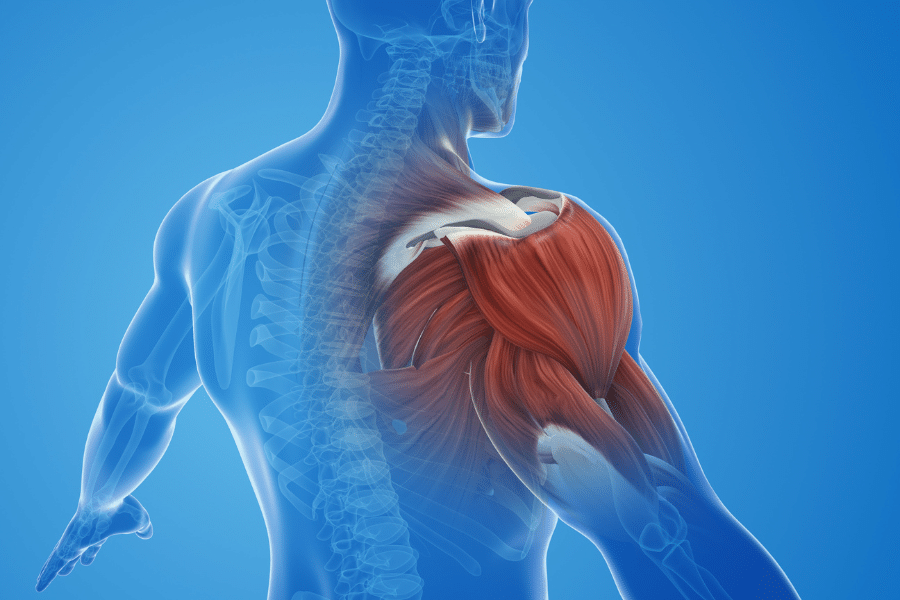
Back pain is an all-too-common problem in today’s world, especially for those who spend long hours sitting or standing. Whether it’s a dull ache or a sharp, stabbing sensation, back pain can severely limit your mobility, disrupt your sleep, and affect your overall quality of life. Many people turn to painkillers, massages, or even surgery for relief, but sometimes the simplest solutions are the most effective. One specific stretch has been shown to provide significant relief for many sufferers, potentially eliminating back pain altogether. This article will explore how a simple stretch can make a world of difference in your daily comfort.
Contents
- Understanding the Causes of Back Pain
- Why Stretching Is Key to Pain Relief
- Introducing the Simple Stretch for Back Pain Relief
- Step-by-Step Guide to Perform the Stretch Correctly
- How Often to Stretch for Optimal Results
- Additional Tips for Long-Term Back Pain Prevention
- Achieving Long-Lasting Back Pain Relief
Understanding the Causes of Back Pain

Back pain often stems from muscle imbalances and poor posture, which are common in today’s sedentary lifestyles. Sitting for extended periods, particularly with slouched shoulders or a hunched back, places immense strain on the spine. Over time, this leads to muscle tightness in areas like the lower back and hips, which in turn can trigger chronic pain. Additionally, weak core muscles fail to support the spine properly, compounding the issue and making everyday movements painful.
Inactivity is another major contributor to back pain, especially when it comes to the muscles in the legs and lower back. Tight hamstrings and hip flexors, often caused by long hours of sitting, can pull on the lower back, causing discomfort. When the body remains inactive for extended periods, muscles tend to shorten and become stiff, leading to limited flexibility and increased pain. Recognizing these underlying causes is key to understanding why stretching can be so effective in relieving back pain.
Why Stretching Is Key to Pain Relief

Stretching plays a crucial role in alleviating back pain because it directly addresses the muscle imbalances and tightness that often cause discomfort. By increasing flexibility and improving mobility, stretching reduces the strain on muscles and joints, especially in the back and legs. When key muscles, such as the hamstrings and lower back, are tight, the surrounding areas often overcompensate, leading to more pain. A targeted stretch can help release this tension, allowing the muscles to function more effectively.
In addition to promoting flexibility, stretching helps reduce overall muscle tension, which is essential for long-term pain relief. When muscles are tight, they limit the body’s range of motion and can compress nerves, leading to discomfort. Regular stretching encourages relaxation, easing tightness and promoting better blood flow to the muscles. This combination of flexibility and tension relief is what makes stretching an effective, low-impact remedy for back pain, particularly when done consistently.
Introducing the Simple Stretch for Back Pain Relief
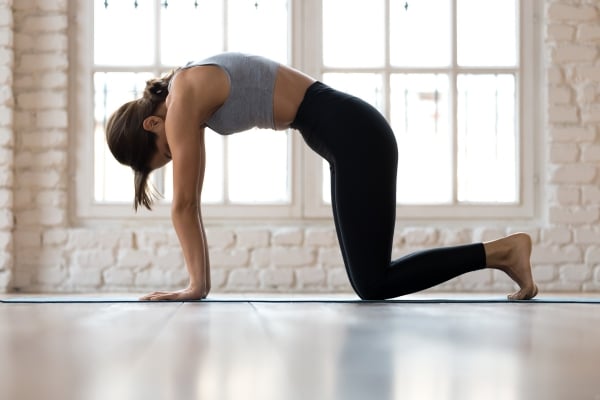
The stretch that has been shown to be highly effective in relieving back pain is known as the Cat-Cow Stretch. This yoga-inspired movement involves alternating between arching and rounding the back while on all fours, creating a gentle flow that stretches the spine, lower back, and core muscles. It’s simple to perform, requiring no equipment, making it accessible for almost anyone looking for relief from back pain. The key to this stretch is its ability to move the spine through its full range of motion, helping to release tension in tight areas.
This stretch works by targeting the lower back, a common source of pain for many individuals. The gentle motion not only helps improve flexibility in the spine but also engages the core and hip muscles, which support the back during everyday activities. Additionally, the Cat-Cow Stretch promotes better posture, as it encourages proper spinal alignment, reducing the strain caused by slouching or sitting for long periods. By incorporating this stretch into your routine, you can start to feel relief from back pain and improve your overall mobility.

Step-by-Step Guide to Perform the Stretch Correctly

Performing the Cat-Cow Stretch correctly is essential to gaining the maximum benefit and preventing injury. Begin by positioning yourself on all fours, ensuring your hands are directly under your shoulders, and your knees are aligned with your hips. Start with a neutral spine, and then slowly arch your back by lifting your chest and tailbone upwards, allowing your belly to sink toward the floor. This is the “Cow” position. Next, transition into the “Cat” position by rounding your back, pulling your belly button towards your spine, and tucking your chin into your chest. Alternate between these two movements, holding each position for 5-10 seconds.
Focus on controlled, slow movements while breathing deeply through each transition. It’s important not to rush, as proper form ensures that you’re stretching the muscles effectively without straining them. Pay attention to how your body feels during the stretch—there should be no pain, only a gentle stretch in the spine, lower back, and hips. If you experience discomfort, adjust your position or range of motion. This simple stretch, when performed correctly, can significantly reduce back tension and promote better posture.
How Often to Stretch for Optimal Results

Consistency is key when it comes to experiencing lasting relief from back pain through stretching. Ideally, you should perform the Cat-Cow Stretch at least once a day, especially if you spend long hours sitting or standing. Morning or evening stretches can help loosen muscles that have become tight overnight or throughout the day. For those who experience more severe back pain, incorporating this stretch into your routine multiple times a day—such as during work breaks—can provide more immediate relief.
Each session should last about 5-10 minutes, ensuring you move through the stretch with proper form and focus. Regular practice not only keeps the muscles flexible but also helps reinforce healthy posture and spinal alignment. Over time, you’ll notice improved mobility, reduced stiffness, and fewer instances of discomfort. Remember, stretching is a preventative tool as well as a solution for existing pain, so the more consistently you practice, the better your results will be in the long run.
Additional Tips for Long-Term Back Pain Prevention

While stretching is a powerful tool for relieving back pain, combining it with other healthy habits will help ensure long-term results. Strengthening your core muscles is essential, as a strong core provides better support for your spine and reduces the risk of future back problems. Simple exercises like planks or bridges, performed a few times a week, can build this strength gradually. Additionally, maintaining an active lifestyle with regular movement throughout the day prevents muscles from tightening and causing pain.
Posture awareness is another critical component of preventing back pain. Whether you are sitting at a desk, standing, or even sleeping, maintaining proper alignment reduces strain on your spine. Consider investing in ergonomic furniture or using lumbar support when sitting for extended periods. Incorporating short posture checks during the day can also help correct bad habits before they become problematic. By combining stretching with these long-term strategies, you can protect your back from recurring pain and maintain a healthier, more active life.
Achieving Long-Lasting Back Pain Relief
Incorporating the Cat-Cow Stretch into your daily routine can be a game-changer in alleviating back pain and improving overall flexibility. This simple yet highly effective stretch targets key muscles in the spine, lower back, and hips, promoting better posture and reducing tension. With consistent practice and attention to proper form, you can experience significant relief and prevent future discomfort. Combined with strengthening exercises and posture awareness, this stretch serves as a long-term solution for maintaining a pain-free, active lifestyle. Start stretching today, and take control of your back health for good.