Contents
Signs You May Be Deficient

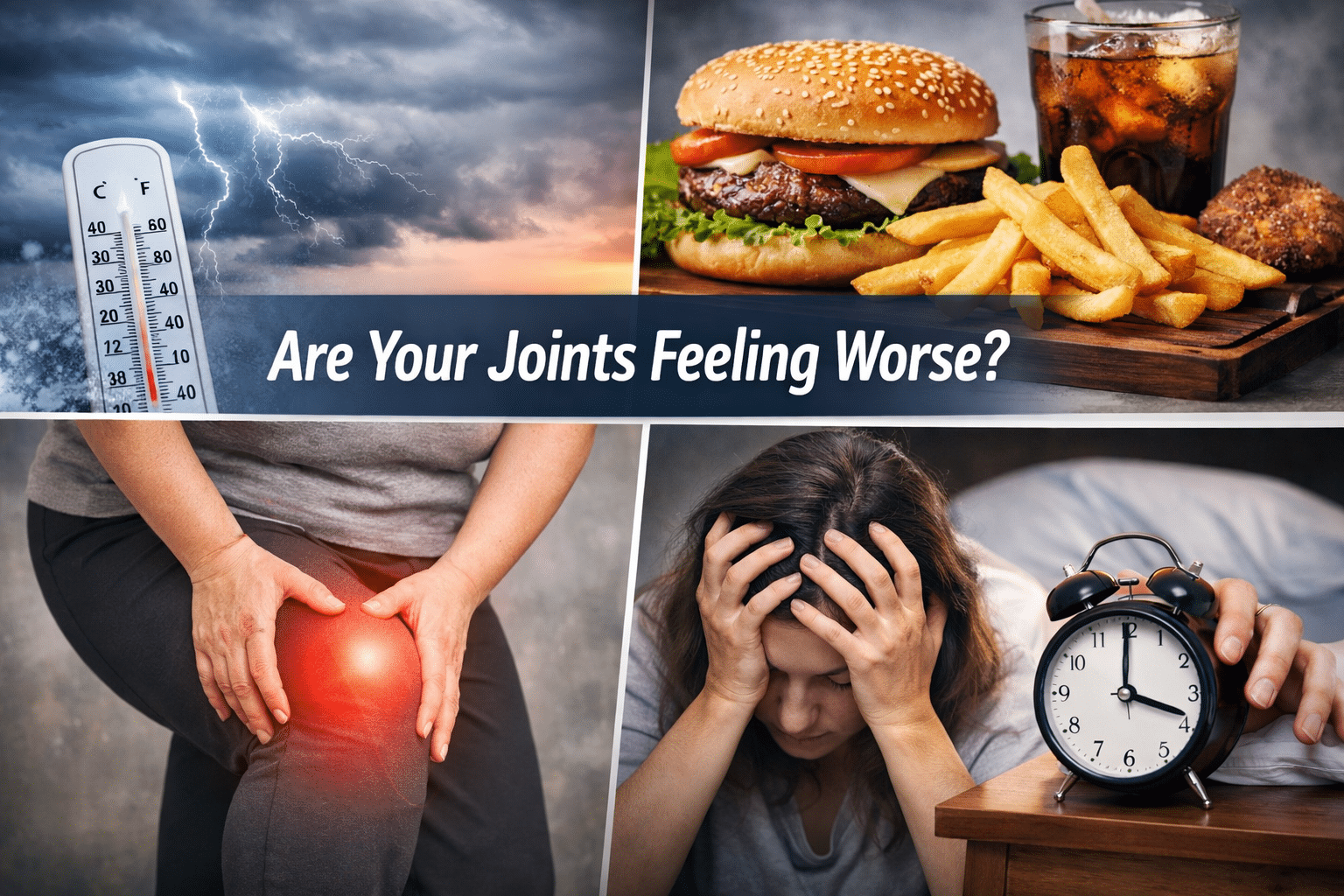
Vitamin D deficiency often goes unnoticed because its symptoms can be subtle or mistaken for other health issues. One of the most common signs is persistent fatigue, even after a full night’s rest. Individuals may also experience muscle weakness, bone pain, or frequent illnesses, as Vitamin D plays a crucial role in strengthening the immune system. Some people might notice brittle hair, nails, or even unexplained mood swings, as Vitamin D deficiency can impact mental health.
Severe deficiencies can lead to more pronounced health issues, such as rickets in children or osteoporosis in adults. Some individuals may experience frequent fractures or slow wound healing due to the weakened bone structure that results from insufficient Vitamin D levels. Other less visible symptoms can include cognitive issues, such as difficulty concentrating or remembering things, as well as depressive symptoms. If any of these signs persist, it may be worth getting tested to determine whether a deficiency is the root cause.
How to Naturally Boost Your Levels

The best way to naturally boost Vitamin D levels is through exposure to sunlight, as the skin synthesizes this nutrient when exposed to UV rays. Spending just 10 to 30 minutes in the sun a few times per week can significantly improve Vitamin D levels, depending on your skin type and location. However, for those living in regions with limited sunlight or during the winter months, this may not be a reliable option. In these cases, dietary adjustments become key.
Certain foods are naturally rich in Vitamin D or are fortified to help people meet their daily requirements. Fatty fish such as salmon, mackerel, and sardines are excellent natural sources, while fortified products like dairy, plant-based milks, and cereals can also contribute to your intake. Incorporating these into your diet can be a simple way to boost your Vitamin D levels without needing supplements. Pairing these foods with healthy fats can improve absorption, maximizing the health benefits.
Supplements – Are They Necessary?

For many individuals, especially those who live in areas with limited sunlight or who follow restricted diets, supplements may be the most effective way to meet Vitamin D requirements. While diet and lifestyle changes can certainly help, they are not always enough to restore optimal levels. In cases of severe deficiency, healthcare providers may recommend daily or weekly Vitamin D supplements to quickly replenish the body’s stores. These supplements come in various forms, including capsules, tablets, and drops, making them accessible for everyone.
However, it’s essential to consult with a healthcare professional before starting a Vitamin D supplement regimen. Over-supplementation can lead to toxicity, causing issues like hypercalcemia, which results in high levels of calcium in the blood and can affect the kidneys and heart. Monitoring your levels through blood tests can help determine the right dosage. While supplements can be beneficial, they should be used thoughtfully and in conjunction with other natural sources of Vitamin D whenever possible.
Reclaiming Your Health Through Vitamin Awareness
Addressing a Vitamin D deficiency can be a simple yet powerful way to improve overall health and prevent long-term issues. By recognizing the signs of deficiency, making lifestyle adjustments, and incorporating vitamin-rich foods, you can take proactive steps toward better well-being. Supplements may also be necessary for some, but with proper guidance, they can provide an effective solution. Understanding the vital role this nutrient plays in your body can empower you to make informed choices that boost your immunity, protect your bones, and enhance your mental health, ensuring you achieve optimal health.