Daily hair washing has become a routine for many, but have you ever questioned whether it’s truly necessary? While the fresh, clean feeling after a wash can be satisfying, frequent shampooing may not be the best choice for your hair’s health. Different hair types, lifestyles, and environmental factors all play a role in how often you should wash your hair. Understanding the potential downsides of daily washing can help you reassess your routine and achieve healthier, more balanced hair. By making small adjustments, you may find that your hair looks and feels better with fewer washes.
Contents
- The Science Behind Hair and Scalp Oils
- The Impact of Daily Washing on Hair Health
- How Hair Type Affects Washing Frequency
- The Benefits of a Less Frequent Washing Routine
- Over-Washing and Scalp Conditions
- Non-Shampoo Alternatives to Keep Hair Fresh
- Adapting Your Hair Care Routine
- Give Your Hair the Break It Deserves
The Science Behind Hair and Scalp Oils
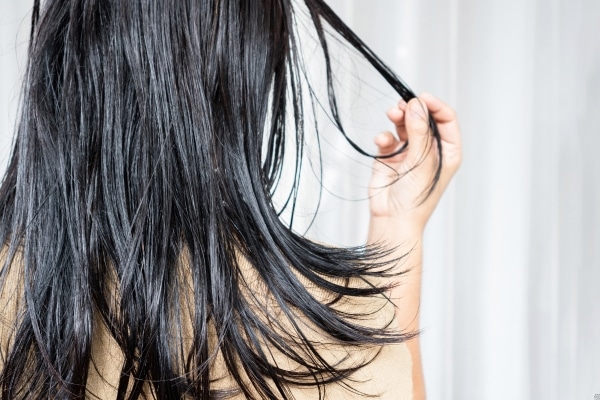
Your scalp naturally produces oils, known as sebum, which play a crucial role in keeping your hair moisturized and protected. These oils work their way down the hair shaft, coating each strand and helping to lock in moisture. However, when you wash your hair daily, you strip away these natural oils, leaving your scalp and hair drier than they should be. Over time, this can lead to brittle hair that’s more prone to breakage, as the protective oil barrier is continuously removed.
Interestingly, when the scalp senses a lack of oil, it may begin producing even more sebum to compensate. This overproduction can cause hair to feel greasy, prompting people to wash it even more frequently—a vicious cycle. By reducing the number of times you wash your hair, you allow the scalp to balance oil production naturally. This can result in hair that looks healthier, feels softer, and is less prone to oil buildup between washes.
The Impact of Daily Washing on Hair Health

Daily hair washing, especially with shampoos containing harsh ingredients, can damage the delicate structure of your hair over time. Shampoo strips not only dirt but also essential oils, leading to a dry and fragile scalp and hair. Hair becomes more vulnerable to environmental factors, such as sun exposure and pollution, because its protective oils are constantly being removed. This weakening of the hair shaft often leads to issues like split ends, frizz, and even hair thinning.
In addition to damage, over-washing can make styling more difficult, as the hair becomes unmanageable and dry. Curly and textured hair types, in particular, suffer from frequent shampooing, as they naturally require more moisture to maintain their shape and elasticity. As a result, people with these hair types may experience increased frizz, breakage, and an overall lack of shine. Spacing out washes helps to preserve the hair’s natural strength and improves its overall appearance.
How Hair Type Affects Washing Frequency

Hair type plays a significant role in determining how often you should wash your hair. For example, people with curly or coarse hair tend to have drier hair because the natural oils from the scalp take longer to travel down the hair shaft. Washing too frequently removes these much-needed oils, leaving the hair feeling parched and brittle. On the other hand, those with fine or straight hair may notice their scalp gets oily faster, but even they can benefit from less frequent washing.
By understanding your hair type, you can better tailor your washing routine to suit its needs. Fine-haired individuals can try extending the time between washes by using dry shampoo or rinsing with water. Meanwhile, people with curly or thick hair might find that washing once or twice a week is enough to keep their hair healthy and hydrated. Adapting your routine based on hair type not only promotes hair health but also leads to better, longer-lasting styles.
The Benefits of a Less Frequent Washing Routine

One of the main benefits of washing your hair less frequently is improved hair texture. When you allow your hair’s natural oils to stay intact, they coat the hair shaft, leading to a smoother and shinier appearance. These oils help tame frizz, reduce flyaways, and make the hair more manageable overall. As a result, styling your hair becomes easier, and you may find that you use fewer products to achieve the desired look.
Beyond aesthetics, washing your hair less can also strengthen it over time. Hair that retains its natural oils is better protected against environmental stressors like heat and UV damage. Additionally, reduced washing leads to less heat styling, which further prevents hair breakage and split ends. Over time, you may notice your hair becoming healthier, softer, and more resilient by simply cutting back on the number of washes per week.
Over-Washing and Scalp Conditions

Frequent washing can disrupt the delicate balance of your scalp’s natural oils, leading to irritation and dryness. When you strip away oils too often, your scalp may become overly dry, causing flakiness and itchiness. This can aggravate conditions like dandruff or seborrheic dermatitis, making them harder to manage. Additionally, the use of harsh shampoos can worsen these issues, leaving your scalp feeling irritated and uncomfortable after each wash.
On the other hand, giving your scalp time to maintain its natural oil balance can alleviate these conditions over time. By washing less frequently, you allow your scalp to retain the moisture it needs to stay healthy. This can result in fewer flare-ups of dandruff and irritation, as the natural oils help soothe and protect the scalp. Reducing your washing frequency can also help repair the scalp’s natural barrier, making it more resilient to external irritants.
Non-Shampoo Alternatives to Keep Hair Fresh

There are many alternatives to daily shampooing that can keep your hair fresh without stripping it of natural oils. Dry shampoo is one of the most popular options, as it absorbs excess oil from the scalp, leaving hair looking cleaner without the need for water. Another option is co-washing, which involves washing your hair with conditioner instead of shampoo, allowing you to cleanse gently while retaining moisture. These methods offer a way to refresh your hair without subjecting it to the harsh effects of daily shampoo use.
Water-only rinsing or herbal rinses, such as using diluted apple cider vinegar, are additional methods for cleaning hair between washes. These options remove surface dirt and excess oil without disturbing your scalp’s natural balance. For those who want to extend the time between washes, brushing your hair regularly can also help distribute oils more evenly, preventing build-up at the roots. These alternatives not only maintain hair cleanliness but also preserve its overall health.
Adapting Your Hair Care Routine

Transitioning away from daily washing requires patience, but the long-term benefits are worth it. As your scalp adjusts to a less frequent washing schedule, you may notice a reduction in oil production and improved hair texture. To support this transition, it’s helpful to incorporate gentle hair care practices, such as using sulfate-free shampoos and applying hydrating masks weekly. These steps will nourish your hair and prevent the dryness that often accompanies reduced washing.
In addition, protecting your hair with regular trims and avoiding excessive heat styling can enhance the results of your new routine. Over time, you’ll likely experience stronger, healthier hair that’s more resistant to damage. As your hair’s natural oils are allowed to do their job, your scalp becomes more balanced, and your strands become smoother and more manageable. A consistent, mindful hair care routine can lead to long-lasting improvements in both the health and appearance of your hair.
Give Your Hair the Break It Deserves
Reconsidering your daily hair washing routine can lead to healthier, stronger, and more manageable hair. By allowing your scalp’s natural oils to do their job, you’ll find that your hair looks better and requires less maintenance. Making small adjustments in your hair care routine can result in long-term benefits, from fewer split ends to a balanced scalp. Embrace the opportunity to nourish your hair by washing it less frequently, and enjoy the rewards of healthier, more resilient locks over time.