Contents
Gentle Exfoliation with Natural Scrubs
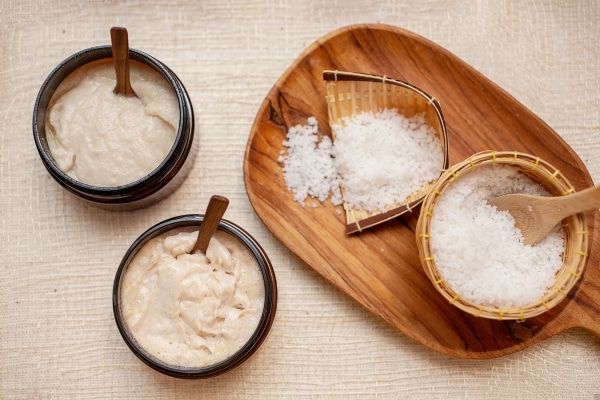
Exfoliation is a crucial step in managing dry skin, as it helps remove dead skin cells that can accumulate and block moisture from penetrating. Using natural exfoliants, like sugar or ground oats, can gently slough off these cells without causing irritation. A simple DIY sugar scrub made from sugar, coconut oil, and honey can be applied once or twice a week to reveal smoother skin. The key is to exfoliate gently, as over-exfoliation can lead to further dryness and even damage the skin barrier.
While exfoliating, it’s important to focus on areas that are particularly dry, like the knees, elbows, and feet. These areas often experience the most buildup of dead skin cells, which can lead to rough patches. By regularly exfoliating these spots, you help open the way for moisturizers to penetrate deeply. Pairing exfoliation with a moisturizing treatment immediately afterward ensures that the skin remains hydrated and soft, preventing further dryness from setting in.
Essential Oils for Skin Hydration
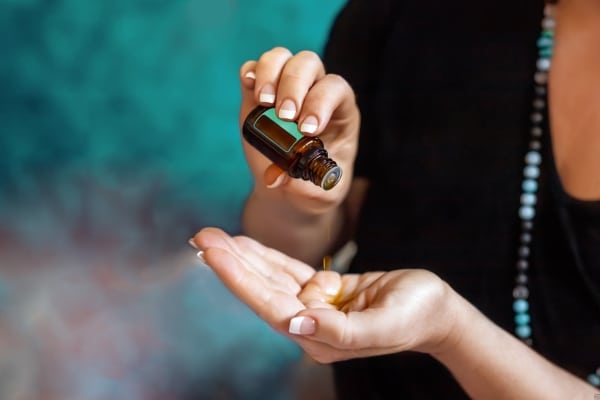
Essential oils are another powerful tool for combating chronic dry skin, offering both hydration and soothing properties. Oils like lavender, rosehip, and chamomile are well known for their ability to moisturize and calm irritated skin. When combined with carrier oils like jojoba or almond oil, essential oils can create deeply nourishing treatments that penetrate the skin and restore its natural moisture balance. Applying these oil blends after exfoliating or bathing can lock in hydration and provide long-term relief from dryness.
For best results, essential oils should be used consistently and with care. Always dilute them in a carrier oil to prevent irritation and enhance their absorption into the skin. Regular use of these oils can help reduce inflammation, support skin regeneration, and improve overall texture. Adding a few drops of essential oils to a warm bath can also provide full-body hydration while offering a relaxing, therapeutic experience. This approach ensures your skin stays soft and nourished all year round.
Lifestyle Changes for Long-Term Relief
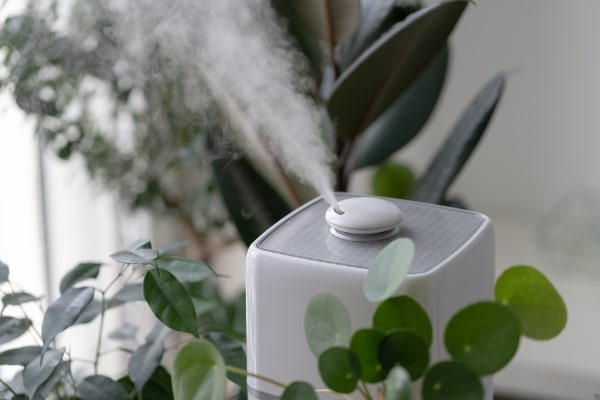
While topical treatments are essential for managing dry skin, long-term relief often requires lifestyle adjustments. One key change is maintaining the humidity levels in your home, especially during colder months when indoor air tends to be drier. Using a humidifier can help add moisture back into the air, preventing your skin from becoming parched. It’s also important to choose breathable, non-irritating fabrics like cotton to reduce skin friction and irritation, which can worsen dryness.
Another important lifestyle factor is adjusting your bathing habits. Hot showers may feel relaxing but can strip your skin of its natural oils, leading to further dehydration. Opt for lukewarm water and use gentle, fragrance-free cleansers to preserve your skin’s moisture barrier. Applying a rich moisturizer immediately after bathing is a simple yet effective way to trap moisture and keep your skin hydrated throughout the day. These small but significant changes can make a big difference in managing chronic dry skin over time.
Find Long-Term Comfort for Your Skin
Managing chronic dry skin doesn’t have to be a constant battle. By incorporating natural remedies like hydration, gentle exfoliation, and nourishing oils, you can soothe irritation and restore moisture without relying on harsh chemicals. Consistency and care are key when it comes to achieving lasting results. Small lifestyle changes, combined with these natural treatments, can make a big difference in how your skin looks and feels. With the right approach, your skin can regain its softness and hydration for long-term comfort.