Household cleaning supplies are staples in homes worldwide, used to maintain cleanliness and hygiene. However, the very products that promise spotless surfaces might harbor hidden dangers due to the chemicals they contain. This post explores the risks associated with these chemicals, offering insight into safer alternatives that can protect your health without compromising on cleanliness. Understanding what’s in these products can empower you to make informed decisions about the cleaners you use in your home.
Contents
Common Chemicals in Cleaners and Their Risks
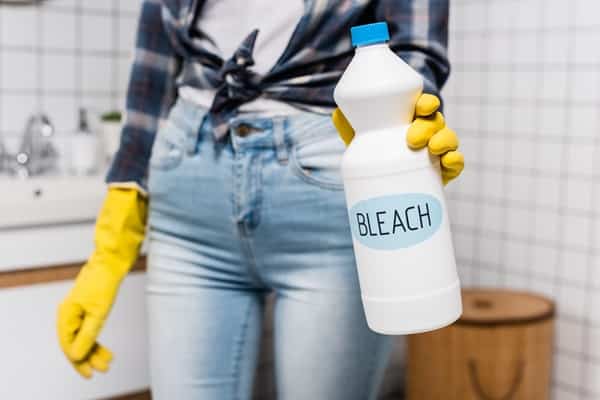
Household cleaners often include a range of chemicals that, while effective at disinfecting and cleaning, can pose serious health risks. Common chemicals such as ammonia, which is used for its powerful cleaning properties, and chlorine bleach, favored for its ability to whiten and disinfect, can cause respiratory irritation and exacerbate asthma when used in poorly ventilated spaces. Symptoms like coughing, shortness of breath, and skin irritation are common reactions to these potent substances.
Furthermore, studies have highlighted the long-term effects of regular exposure to these chemicals. Health organizations have documented the risks associated with volatile organic compounds (VOCs) found in many spray cleaners, which can volatilize at room temperature and are easily inhaled. Long-term exposure to VOCs is linked to more severe health issues, including chronic respiratory problems, and can even affect the central nervous system, liver, and kidneys. Such evidence makes it crucial for users to understand the potential health impacts and seek safer alternatives where possible.
Hidden Dangers in ‘Green’ and ‘Natural’ Products
The marketing labels “green” and “natural” are often used to attract health-conscious consumers, but these terms are not always indicative of safety. Despite these appealing labels, some products contain ingredients that can still be harmful. This misleading practice can result in consumers using products that they believe are safe but may still pose health risks due to the inclusion of naturally derived yet toxic substances.
To combat this issue, it is essential for consumers to learn how to read and interpret ingredient labels on cleaning products accurately. Understanding what ingredients are truly harmful and knowing the regulatory standards for these labels can help you avoid inadvertently exposing yourself and your family to dangerous chemicals. This knowledge is a powerful tool in choosing products that are genuinely safe and effective, aligning with the green and natural ethos they claim to represent.
Impact of Long-Term Exposure to Chemical Cleaners

The long-term health effects of continuous exposure to chemical cleaning agents are a growing concern among health professionals. Even low-level, repeated exposure can accumulate over time, leading to significant health issues. For instance, individuals frequently exposed to cleaning fumes might experience chronic respiratory conditions, hormonal imbalances, or neurological symptoms due to the toxic nature of some chemical compounds found in these products.
Medical experts caution against the regular use of these chemicals, as they can disrupt normal bodily functions and even contribute to the development of chronic diseases such as asthma or other serious conditions. By understanding these risks and modifying cleaning habits, individuals can protect their health from the insidious effects of these seemingly benign household staples. Reducing exposure and opting for safer products can dramatically decrease the likelihood of developing health complications associated with chemical cleaners.
Safer Alternatives to Chemical-Laden Cleaners
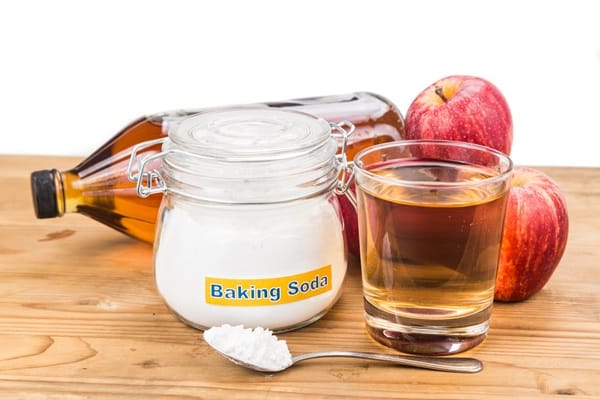
Adopting safer alternatives to traditional chemical cleaners can drastically reduce your exposure to harmful substances and enhance your indoor environment’s safety. Ingredients such as white vinegar, baking soda, and essential oils have been proven to be effective in various cleaning tasks without the associated risks of chemical-based products. These natural cleaners can handle everything from disinfecting surfaces to removing tough stains, providing a non-toxic solution for maintaining a clean home.
Moreover, for those who prefer the convenience of ready-made products, there are numerous eco-friendly cleaning brands available that focus on safety and environmental impact. These products often use plant-based formulas and avoid harsh chemicals, ensuring they are safe for use around children and pets. When shopping for these alternatives, look for certifications like “biodegradable” and “non-toxic” to ensure the products meet stringent safety standards. Opting for these can help you maintain a healthy living environment while still achieving the cleanliness you desire.
How to Properly Ventilate and Clean Your Home

Effective ventilation is crucial when using any type of cleaning product, whether chemical or natural. Ensuring that fresh air circulates in your cleaning areas can significantly reduce the risk of inhaling harmful fumes. This can be as simple as opening windows and doors or using exhaust fans, especially in confined spaces like bathrooms or kitchens. Such practices minimize your exposure to potential toxins and help keep the air in your home fresh and clean.
In addition to proper ventilation, adopting cleaning techniques that reduce the need for harsh chemicals is beneficial. Utilizing microfiber cloths, which can trap dirt and reduce the amount of cleaning product needed, or employing steam cleaning, which uses hot water vapor to clean without chemicals, are both effective strategies. These methods lessen your exposure to harmful substances and contribute to a more sustainable cleaning routine by minimizing environmental impact.
Regulatory Standards and What They Mean
Understanding the regulatory landscape governing cleaning products can provide significant insights into the safety and efficacy of the cleaners you use. In many regions, certain standards and regulations dictate the labeling and permissible levels of chemicals in cleaning products. These regulations are designed to protect consumers by ensuring that products meet safety guidelines and provide clear information about their contents.
However, there are often gaps in these regulations that can leave room for the use of potentially harmful chemicals. Being aware of these limitations is crucial for making informed choices about the products you bring into your home. Advocating for stricter regulations and supporting legislation that demands greater transparency and safety in cleaning products can also drive change in the industry, leading to safer products and better consumer protection.
Clean Smarter, Live Better
As you become more informed about the chemicals in our cleaning supplies, it is crucial to take proactive steps towards safer practices. Choosing products wisely, enhancing indoor ventilation, and utilizing natural cleaning alternatives can significantly reduce health risks. Let this knowledge empower you to make healthier choices that safeguard both your family and the environment. Every small change contributes to a larger impact, fostering a safer, cleaner living space for all.