
Age-Related Concerns

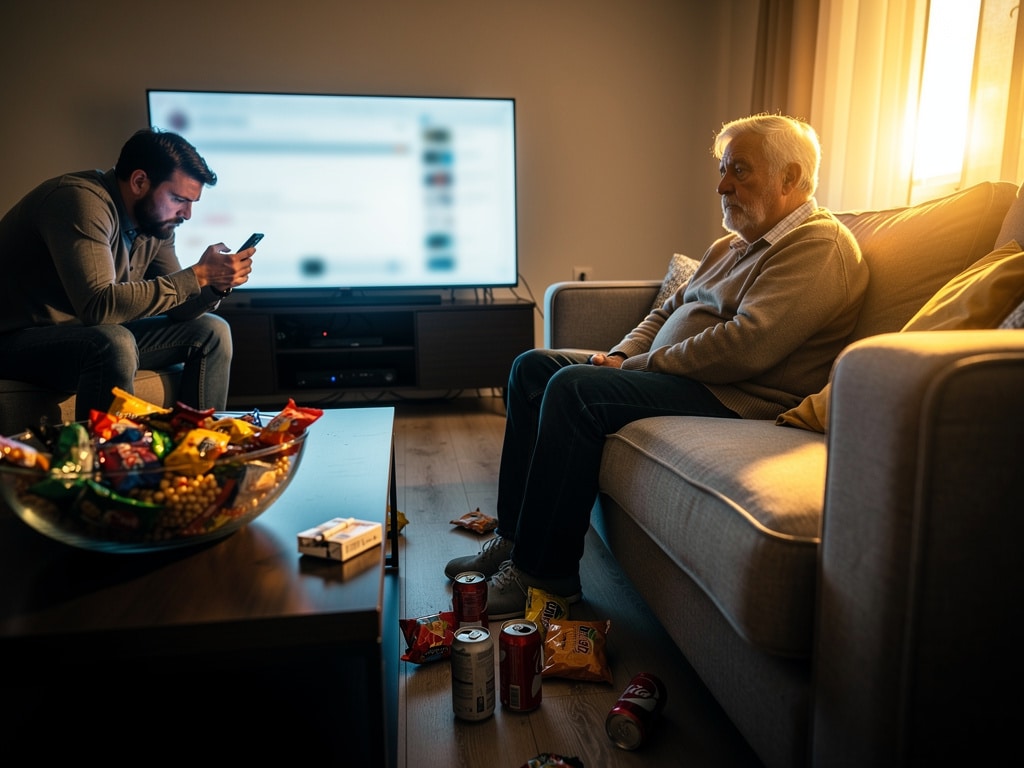
Children and teenagers are particularly susceptible to the effects of blue light due to their developing eyes and higher natural lens transparency, which allows more blue light to penetrate the retina. This can lead to greater disruptions in sleep patterns and may affect their learning and behavioral development. The implications are significant, as poor sleep can negatively impact everything from academic performance to emotional stability in young people. Therefore, understanding and managing blue light exposure is crucial for parents and educators.
The aging population also faces unique challenges with blue light. As you age, the lens of the eye yellows and becomes less capable of filtering blue light, potentially exacerbating issues like macular degeneration and contributing to the disruption of sleep cycles. Older adults already face challenges with sleep quality and duration, and blue light exposure can make these problems more severe. Consequently, managing light exposure could be particularly beneficial in preserving the cognitive health and overall well-being of older adults.
Counteracting the Negative Effects
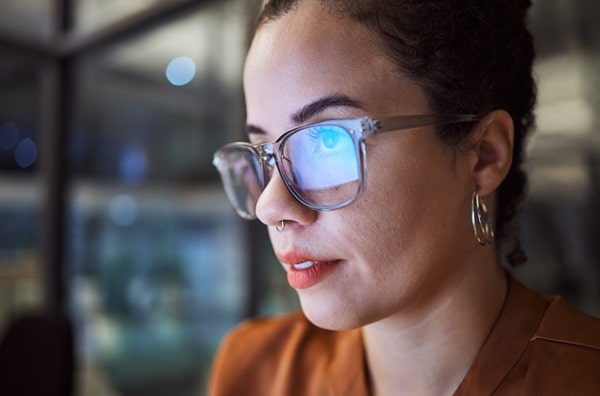
To mitigate the negative impacts of blue light, especially in the hours leading up to bedtime, individuals can use screen filters or wear blue light-blocking glasses. These solutions can significantly reduce blue light exposure, helping to preserve melatonin production and maintain a healthy sleep cycle. Additionally, many digital devices now include settings to reduce blue light emission automatically based on the time of day, which can help lessen its impact without requiring users to change their habits drastically.
Lifestyle adjustments also play a crucial role in managing blue light exposure. Establishing a digital curfew, or a specific time when all electronic devices are turned off for the night, can be an effective strategy. Encouraging regular breaks during long sessions of screen use can reduce eye strain and mental fatigue. Moreover, incorporating these habits into daily routines can improve both sleep quality and overall mental health, highlighting the importance of proactive measures in an increasingly digital world.
Emerging Solutions and Technologies

Technological innovations continue to develop in response to the growing concern over blue light exposure. For instance, software developers have created apps that adjust screen brightness and color based on the time of day, shifting from blue light to warmer tones in the evening. These apps help minimize the impact of blue light on sleep patterns, offering a practical solution for users who rely heavily on digital devices.
Looking to the future, there are promising prospects for even more sophisticated solutions to the blue light problem. Researchers are exploring the development of new types of screen technologies that could emit less harmful light without compromising display quality. Additionally, public awareness campaigns and educational programs are increasingly focusing on the risks associated with blue light, aiming to encourage more mindful use of technology across all age groups. These initiatives, combined with ongoing technological advancements, suggest a proactive approach to managing interaction with digital devices and protecting health in the digital age.
Shield Your Brain from Blue Light
As you navigate the digital world, it’s crucial to be mindful of the blue light that accompanies your screen use. By taking simple measures such as adjusting device settings and incorporating protective eyewear, you can safeguard your mental and physical health. Educating yourself and adopting healthier screen habits can lead to improved sleep, reduced eye strain, and overall better well-being, ensuring your brain stays healthy in an increasingly digitalized environment.