Skip to content

The Silent Threats To Your Cardiovascular Health

  • Health

Cardiovascular health remains a pivotal concern for millions worldwide, yet many are unaware of the silent threats that quietly undermine heart health. From lifestyle habits to environmental factors, numerous elements contribute to the gradual deterioration of cardiovascular well-being without noticeable symptoms. This article delves into these silent threats, shedding light on hidden dangers and offering practical solutions to bolster heart health amidst these covert challenges.

Sedentary Lifestyle: A Quiet Killer

Cardiovascular

The modern lifestyle often promotes prolonged periods of inactivity, which research links directly to increased risks of cardiovascular diseases. Sitting for extended durations, whether for work or leisure, impairs blood circulation and strains the heart, setting a foundation for long-term health issues. The American Heart Association highlights that sedentary behavior could be as harmful as smoking, suggesting a dire need for societal shifts in how daily activities are structured.

Regular physical activity is the most straightforward countermeasure to combat the risks associated with a sedentary lifestyle. Health experts recommend at least 150 minutes of moderate aerobic exercise weekly to maintain optimal heart health. This enhances cardiac function and mitigates the effects of sitting for long hours, proving that even small changes in activity levels can yield significant health benefits.

The Salt in Your Diet: Hidden Risks

Cardiovascular

Excessive salt consumption is a major contributor to hypertension, a leading cause of cardiovascular disease. The problem often lies not in the salt shaker but in processed and prepared foods where salt is abundantly hidden. Consuming high amounts of sodium can lead to high blood pressure, stressing the cardiovascular system and increasing the risk of stroke and heart failure.

Individuals can manage their salt intake by choosing fresh, whole foods over processed alternatives and reading nutrition labels to make informed choices. Reducing salt in the diet begins with awareness and a conscious effort to modify cooking habits and food selections. Such steps can significantly lower blood pressure and reduce the burden on the heart, showcasing the power of dietary control in maintaining cardiovascular health.

Stress: The Invisible Burden

Cardiovascular

Chronic stress is a formidable enemy of cardiovascular health, triggering hormonal reactions that strain the heart. Stress increases heart rate and blood pressure, taxing the cardiovascular system and elevating the risk of cardiac events. The continuous flood of stress hormones can lead to inflammation and other harmful effects on heart tissues, setting the stage for long-term damage.

Addressing stress requires a multifaceted approach, including lifestyle adjustments, mindfulness practices, and sometimes professional help. Techniques such as meditation, yoga, and regular physical activity have proven effective in reducing stress levels. By managing stress proactively, individuals can protect their hearts and improve their overall health, underscoring the critical need for stress management in modern life.
Sleep Deprivation: More Dangerous Than You Think

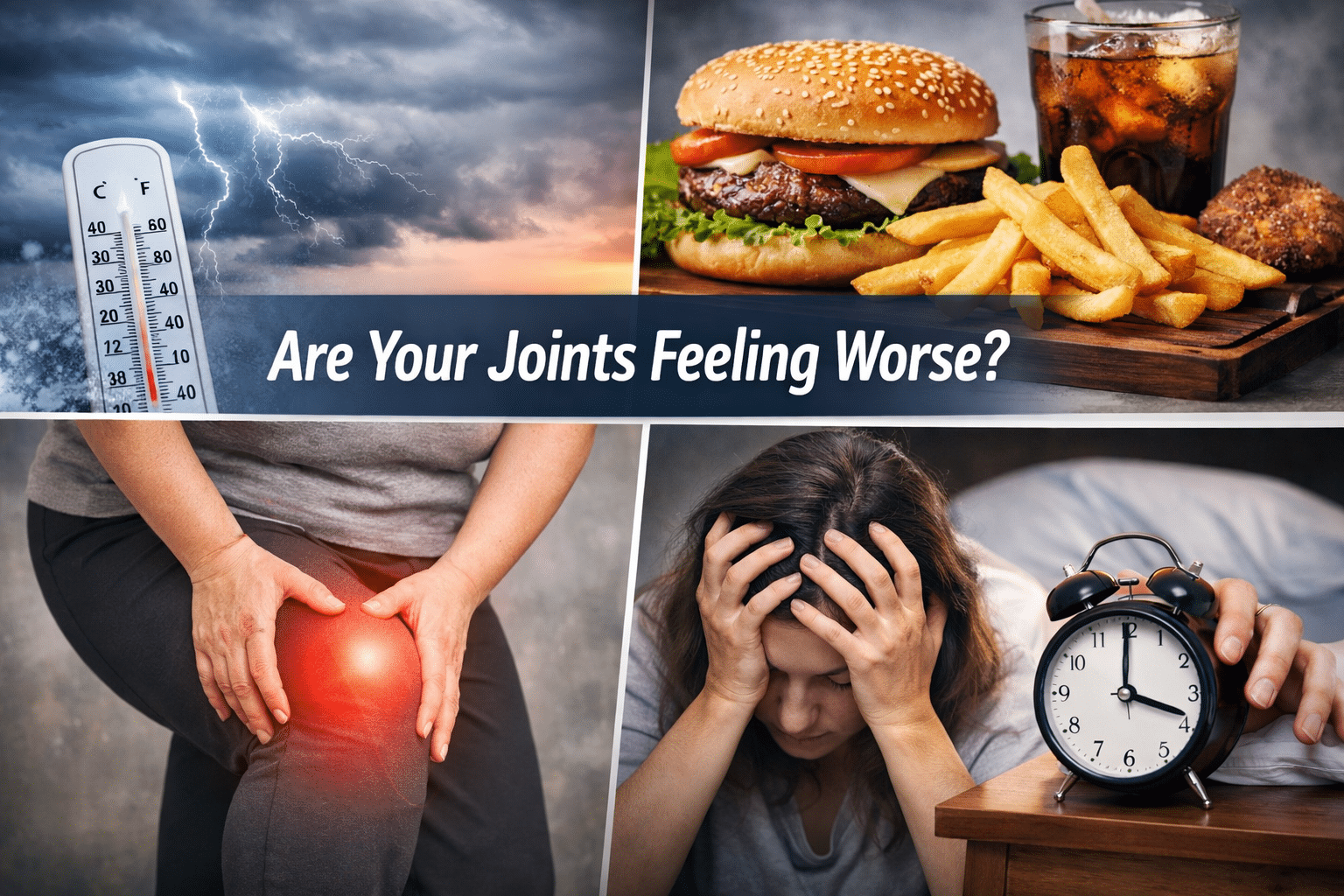
Sleep serves as a critical recovery period for the heart. Insufficient sleep has been closely linked to a higher incidence of cardiovascular diseases. The lack of restorative sleep disrupts underlying health conditions, such as diabetes and obesity, which are risk factors for heart disease. Furthermore, sleep deprivation can lead to poor lifestyle choices, such as unhealthy eating and reduced physical activity, exacerbating cardiovascular risk.

Prioritizing sleep by adhering to a regular sleep schedule and creating a conducive sleeping environment can significantly enhance heart health. Avoiding stimulants such as caffeine and electronics before bedtime can also improve sleep quality. By ensuring adequate sleep, individuals can reduce the risk of heart disease and improve their overall well-being, making sleep an essential, yet often neglected, component of cardiovascular health.

Air Pollution: An Unseen Hazard

Cardiovascular

Recent studies indicate that air pollution is not merely a respiratory irritant but a serious risk factor for cardiovascular diseases. Pollutants like fine particulate matter (PM2.5) and nitrogen dioxide have been shown to penetrate deep into lung tissues and enter the bloodstream, causing inflammation and oxidative stress that can lead to vascular damage. These conditions exacerbate heart disease and can trigger heart attacks in vulnerable populations.

To minimize exposure to harmful air pollution, individuals can check daily air quality indices and limit outdoor activities during high pollution events. Using air purifiers at home and advocating for stricter environmental regulations can also help reduce the health impacts of air pollution. Individuals can protect their cardiovascular health from this invisible but pervasive threat by taking proactive steps to limit exposure to air pollutants.

Alcohol: A Double-Edged Sword

Cardiovascular

While moderate alcohol consumption has been touted for potential heart benefits, excessive drinking can lead to a myriad of cardiovascular problems. Alcohol in high amounts can lead to cardiomyopathy, arrhythmias, and hypertension, which significantly increase the risk of heart disease. It’s a delicate balance where the negative effects of alcohol can quickly outweigh its benefits.

Health guidelines suggest moderate drinking—up to one drink per day for women and two for men. Sticking to these limits can help maintain heart health without the adverse effects associated with heavier drinking. Moderation ensures that alcohol can be enjoyed without compromising cardiovascular wellness, highlighting the importance of balance in dietary habits.

Sugar: The Sweet Danger

Cardiovascular

Sugar, especially in its refined form, is a major factor in the obesity epidemic and the associated cardiovascular risks. High sugar intake leads to weight gain, increases in triglyceride levels, and insulin resistance, all detrimental to heart health. The hidden sugars in sodas, snacks, and even some “healthy” foods can cumulatively lead to significant health issues.

Reducing sugar consumption involves choosing whole foods over processed ones and being vigilant about reading food labels. Limiting sugary drinks and snacks can drastically reduce daily sugar intake, benefiting the heart and the entire body. Educating oneself about the sources of sugar and making mindful choices can effectively safeguard cardiovascular health against this sweet danger.

Wrapping Up: Guarding Your Heart Against the Silent Threats

As we have explored, the silent threats to cardiovascular health are varied and widespread, infiltrating through lifestyle choices, dietary habits, and environmental exposures. Recognizing these threats is the first step toward mitigating their effects and enhancing heart health. By adopting a proactive approach to lifestyle modifications, individuals can significantly reduce their risk and ensure a healthier, more vibrant life. The heart, after all, is the engine of life, and protecting it ensures a long and fulfilling journey.