Contents
Economic Savings

Showering every other day can lead to significant economic savings over time. The reduction in water and energy consumption directly translates to lower utility bills. For example, cutting down on the number of showers can save hundreds of gallons of water each month, which not only benefits the environment but also reduces household expenses. Additionally, there’s a decreased need for costly hygiene products like shampoos, conditioners, and body washes, further adding to the financial savings.
Beyond personal savings, the broader economic impact of reduced shower frequency can be substantial. If a large portion of the population adopted this practice, the cumulative savings on water and energy resources could lead to reduced strain on public utilities and infrastructure. This shift could potentially lower the costs associated with water treatment and distribution, energy production, and even waste management, highlighting the economic advantages of showering less frequently on both individual and societal levels.
Skin Conditions and Showering Frequency
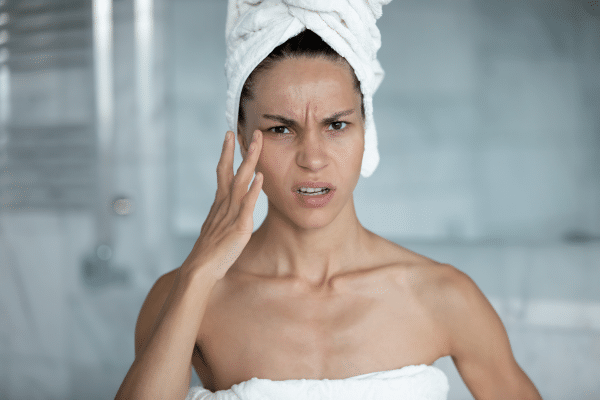
Showering every other day can positively affect individuals with certain skin conditions, such as eczema or psoriasis. These conditions often result in dry, sensitive skin that can be exacerbated by frequent washing and the use of harsh soaps. By reducing the frequency of showers, the skin retains more of its natural moisture, which can alleviate the symptoms associated with these conditions. Dermatological studies suggest that less frequent showering can help maintain the skin’s natural barrier function, providing relief and reducing the occurrence of flare-ups.
In addition to the direct benefits on skin health, showering less frequently can reduce the dependency on medicated creams and ointments often used to treat these skin conditions. This can not only lead to cost savings but also minimize the exposure to potential side effects associated with the long-term use of such treatments. Patients with chronic skin issues are increasingly being advised to consider adjusting their showering routine as part of their overall management plan, indicating a shift in medical recommendations towards less frequent bathing.
Societal Norms and Personal Hygiene

The expectation of daily showering is deeply ingrained in many cultures, often linked to social norms and perceptions of cleanliness. However, this standard is not universally necessary for maintaining personal hygiene and may, in fact, be a relatively recent development in human history. Challenging these norms can provoke thoughtful discussions about the difference between cleanliness and overzealous hygiene practices. Encouraging a shift in perspective may lead to a broader acceptance of reduced showering as a legitimate and healthy choice.
Moreover, as more people adopt less frequent showering practices, it can lead to a reevaluation of what constitutes acceptable hygiene standards in society. This shift can have positive implications for environmental sustainability, public health, and personal well-being. By questioning and potentially changing these societal norms, individuals can contribute to a more adaptable and health-conscious community, recognizing that personal hygiene practices can be flexible and tailored to individual needs and environmental considerations.
Rethinking Showering Habits
Embracing the practice of showering every other day offers multifaceted benefits, from enhancing skin and hair health to supporting environmental sustainability and generating economic savings. This approach also encourages a critical examination of ingrained societal norms regarding personal hygiene, advocating for a more adaptable and individualized routine. By considering the scientific and practical insights into the impacts of shower frequency, individuals can make informed decisions that align with their health needs and environmental values, ultimately leading to a healthier lifestyle and a more sustainable world.