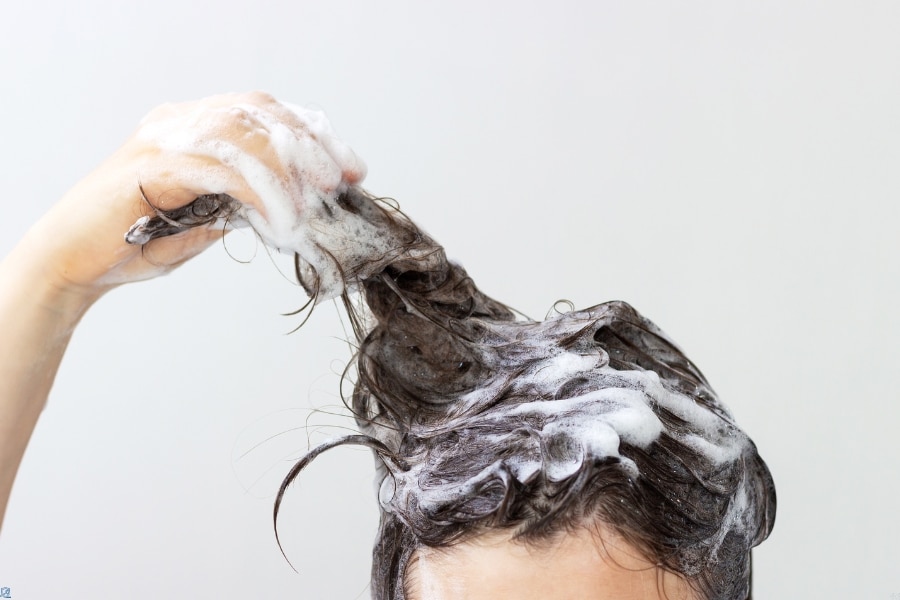
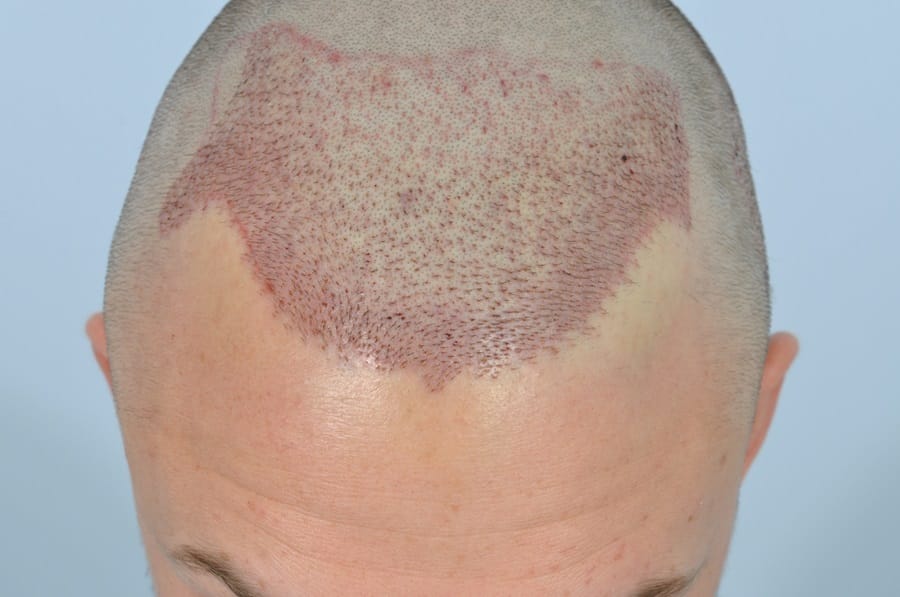
In the quest for youthful vibrancy, many individuals over 50 consider dyeing their hair to mask the graying strands that herald aging. However, this decision comes with its own set of risks and considerations, especially in the later stages of life. The chemistry of hair changes as we age, influencing how it reacts to hair dye. This article delves into the reasons why dyeing hair post-50 might not be the wisest choice, exploring the impacts on hair health, potential allergic reactions, and the long-term effects of chemical exposure.
Age-Related Hair Changes
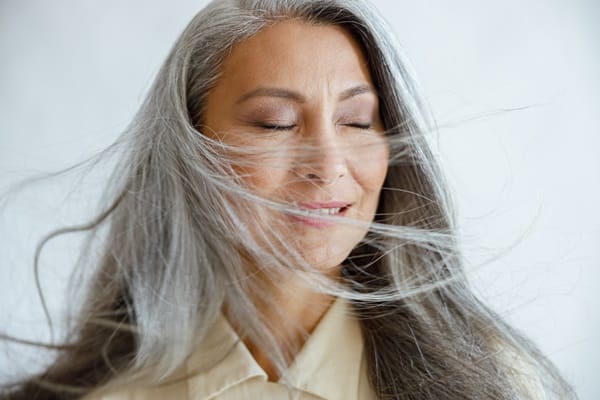
As we cross the 50-year threshold, our hair undergoes significant transformations. The strands often become thinner, drier, and more brittle, making them susceptible to damage. The natural pigment cells in our hair follicles gradually diminish, leading to the emergence of gray hair. Dyeing hair at this stage can result in unexpected colors or textures due to these age-related changes. Furthermore, the altered hair structure may not hold the dye as well or could lead to uneven coloration, necessitating more frequent and potentially damaging treatments.
Risks of Chemical Exposure
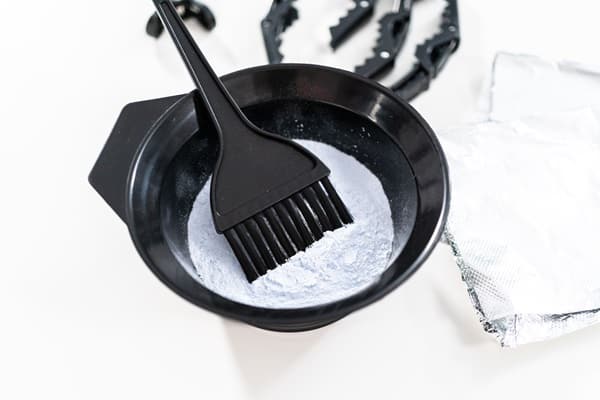
Hair dyes are laden with chemicals like ammonia, peroxide, and paraphenylenediamine (PPD), which can be harsh on the scalp and hair. In older adults, the scalp becomes more sensitive and less oily, which might increase the risk of irritation and damage from these chemicals. Prolonged exposure to hair dye chemicals can lead to dermatitis, scalp burns, and even hair loss. Additionally, there is a growing concern about the long-term health risks, including the potential link between hair dye chemicals and certain types of cancer, making it imperative to understand the risks before proceeding with hair coloring after 50.
Hair Dye and Allergic Reactions
The incidence of allergic reactions to hair dye tends to increase with age. Older individuals often develop a heightened sensitivity to the ingredients in hair dyes, leading to allergic contact dermatitis. Symptoms can range from mild itchiness and redness to severe swelling and blistering of the scalp. The risk is not limited to first-time users; even those who have been dyeing their hair for years without issue can suddenly develop allergies. It’s crucial for individuals over 50 to perform patch tests before applying hair dye, although these tests are not foolproof and can’t always predict severe reactions.