Contents
The Hair Transplant Procedure
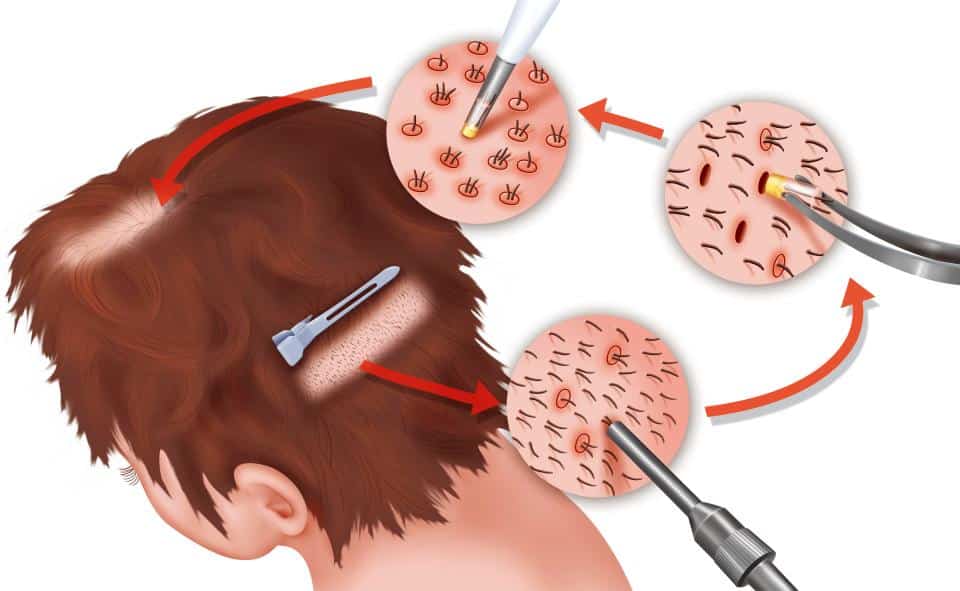
The procedure day culminates the patient’s journey towards hair restoration, beginning with preparing both donor and recipient sites. In FUE, the surgeon meticulously extracts each follicular unit to be transplanted, ensuring minimal trauma to the scalp. In FUT, after the donor strip is removed and prepared, the follicles are implanted into the balding areas, with careful attention to the natural growth patterns of the patient’s hair.
Post-operative care is crucial for a successful recovery and optimal growth of the transplanted hair. Patients are provided with detailed instructions on how to care for their scalp, including washing, exposure to sunlight, and physical activity restrictions. Adherence to these guidelines is essential for healing and achieving the desired aesthetic outcomes.
Risks and Considerations

Despite the high success rate of hair transplant surgeries, patients must be aware of potential risks and complications. These may include infection, scarring, and the unnatural appearance of transplanted hair if not done correctly. A thorough discussion with the surgeon prior to the procedure can help mitigate these risks and set realistic expectations for the outcome.
The financial aspect of hair transplantation is another critical consideration, with costs varying widely depending on the procedure’s extent and the surgeon’s expertise. Patients should view this as an investment in their well-being, considering both the immediate and long-term benefits of the procedure.
Recovery and Results
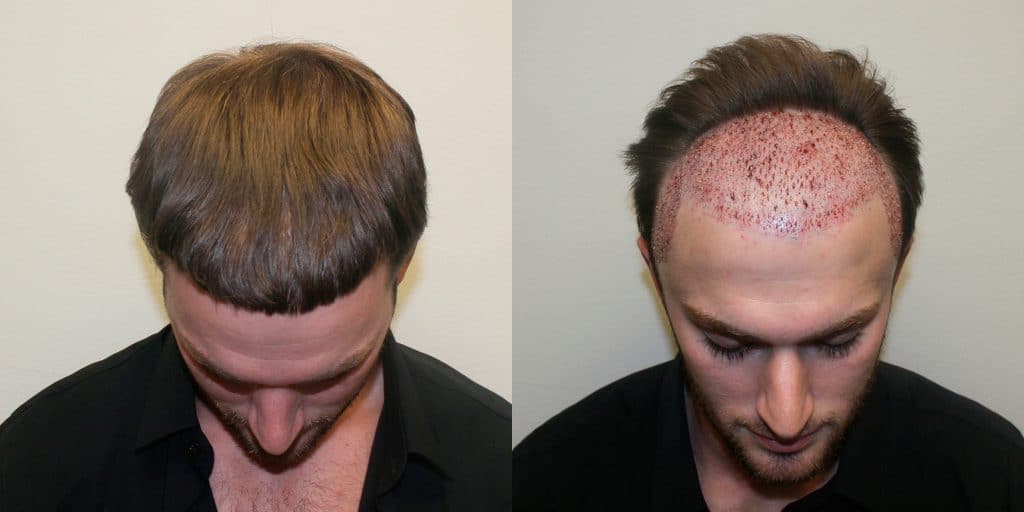
The recovery process from a hair transplant varies between individuals and the type of procedure performed. Initial signs of growth can be seen within a few months, but it typically takes a year to appreciate the full results. During this time, patients may experience shedding of the transplanted hair, a normal part of the process that paves the way for new growth.
Maintaining realistic expectations throughout the recovery phase is crucial. The final results depend on various factors, including the patient’s hair characteristics and adherence to post-operative care instructions. Regular follow-ups with the surgeon are essential for monitoring progress and addressing concerns.
Maintaining Your Transplant

Proper hair care and lifestyle adjustments are essential to ensure the longevity of the transplant results. Patients are advised to follow a gentle hair care routine, avoiding harsh chemicals and treatments that could compromise the health of the transplanted hair. Using recommended shampoos and conditioners, along with minimizing heat styling, can help maintain the integrity and appearance of the new hair.
Lifestyle plays a significant role in the longevity of hair transplant results. A balanced diet rich in vitamins and minerals supports hair growth and health while avoiding smoking, and excessive alcohol consumption can enhance the overall quality of the hair. Regular exercise, stress management, and sufficient sleep are also beneficial, contributing to the body’s ability to sustain the transplanted hair.
The Bottom Line
The journey toward overcoming hair loss through hair transplantation is complex and rewarding. From understanding the underlying causes of hair loss to navigating the intricacies of different transplant techniques, preparation, and post-operative care, each step is crucial in achieving the desired outcomes. This guide serves as a comprehensive resource for individuals considering hair transplant surgery, offering insights into the process, potential risks, and the transformative power of the procedure. With the right preparation, expectations, and care, individuals can look forward to regaining their hair and restoring their confidence and quality of life. Hair transplantation is more than a cosmetic procedure; it’s a pathway to renewal and well-being.