Contents
Overcoming the Challenges of Making New Friends in Later Life
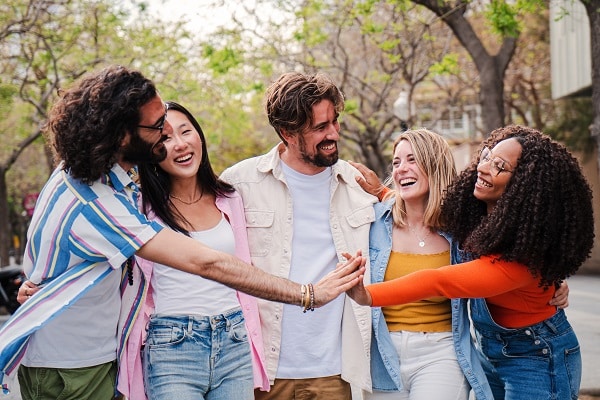
Making new friends in later life can be daunting due to various barriers, such as mobility issues, health concerns, and the loss of traditional social networks. However, the desire for connection and companionship remains strong. Exploring new avenues for social engagement is essential, such as participating in community events, joining interest-based clubs, or volunteering. These activities open the door to meeting new people and enriching one’s life with purpose and joy.
Additionally, being open to friendships with individuals from different ages and backgrounds can broaden one’s social circle and perspective. Intergenerational friendships, in particular, offer unique benefits, providing fresh insights and the opportunity to share wisdom across age divides. Embracing the challenge of forming new friendships can lead to rewarding connections that enhance the quality of life in one’s golden years.
The Importance of Friendships Across Generations
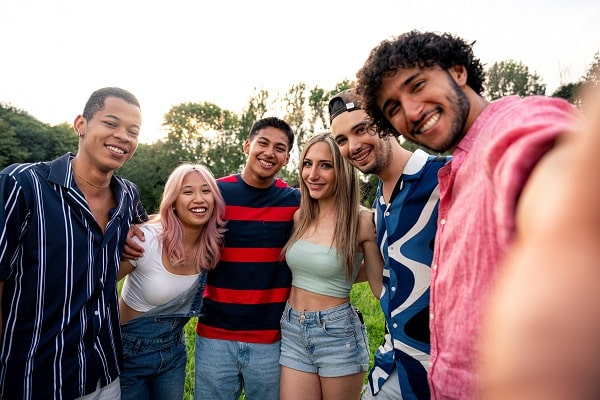
Friendships that bridge the gap between generations can be particularly enriching, offering mutual benefits that extend beyond simple companionship. Older adults can offer wisdom, stability, and perspective gained through years of experience, while younger friends bring energy, fresh perspectives, and familiarity with new technologies and trends. These intergenerational relationships can foster understanding and respect between age groups, breaking down societal stereotypes and enriching the social fabric of communities.
Engaging with younger friends can inspire older adults to stay current with cultural and technological advancements, contributing to a sense of belonging in the rapidly evolving world. This exchange of knowledge and experience is mutually beneficial, promoting lifelong learning and personal growth. The vitality and different outlooks younger friends bring can invigorate older adults, challenging them to explore new ideas and activities, thus enhancing their overall well-being.
Fostering a Community That Values Aging and Friendship

Creating communities that value and support aging and friendship involves more than just providing social opportunities; it requires a culture that recognizes the integral role of social connections in healthy aging. Communities can foster this environment by designing spaces and programs that encourage interaction among residents of all ages and facilitate the formation and maintenance of friendships.
Community centers, parks, and local organizations can offer programs specifically tailored to older adults, such as social clubs, educational classes, and group fitness programs, which serve as excellent platforms for meeting peers with similar interests. Moreover, initiatives that promote volunteerism and civic engagement can provide meaningful ways for older adults to contribute to their communities while expanding their social networks. By prioritizing the development of age-friendly spaces and inclusive activities, communities can play a crucial role in enhancing the social lives of their elderly residents, thereby improving their overall quality of life.
Final Thoughts
The role of friendship in healthy aging is profound and multifaceted, impacting emotional well-being, physical health, cognitive function, and overall quality of life. As we navigate the later years, the value of nurturing old friendships and being open to forming new ones cannot be overstated. Technology offers innovative ways to maintain these connections, while community initiatives can provide the platforms necessary for social engagement. Though daunting, the challenge of making new friends in later life presents an opportunity for growth and enrichment. We can foster a more inclusive, understanding, and supportive society by embracing the benefits of friendships across generations. As we reflect on the aging journey, let us remember that friendships are a source of joy and a cornerstone of a healthy, fulfilled life.