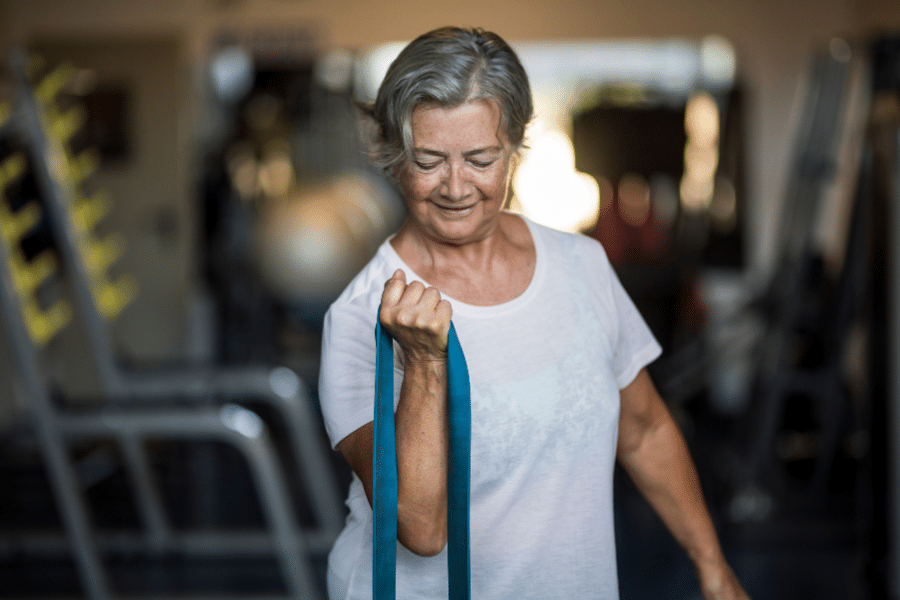
Exercise is a cornerstone of health and well-being, offering benefits that extend far beyond physical fitness alone. It can improve mental health, increase lifespan, and enhance quality of life. However, with so many types of exercise to choose from, determining the best fit for your lifestyle and goals can be overwhelming. This article explores various forms of exercise, from cardiovascular workouts to strength training, to help you identify which is most aligned with your individual needs and preferences. Whether you aim to lose weight, build muscle, improve endurance, or simply maintain a healthy lifestyle, understanding the different options available is the first step towards achieving your fitness goals.
Contents
Understanding Your Fitness Goals

Before embarking on any fitness journey, identifying clear, achievable goals is crucial. Whether your aim is to lose weight, gain muscle, enhance endurance, or improve flexibility, each objective requires a tailored approach to exercise. Understanding your personal goals not only helps in selecting the appropriate type of workout but also in measuring progress and staying motivated. It’s essential to set realistic expectations and consider any physical limitations to create a sustainable and enjoyable fitness plan. Remember, fitness is a personal journey, and what works for one individual may not suit another.
Cardiovascular Exercises

Cardiovascular exercise is fundamental for heart health, stamina, and weight management. Activities like running, cycling, and swimming increase heart rate and lung capacity, making them excellent for burning calories and improving overall aerobic fitness. Beginners should start slowly, gradually increasing intensity and duration to avoid burnout and injury. Incorporating variety, such as mixing steady-state cardio with interval training, can prevent boredom and promote continued improvement. Remember, the best cardio workout is one you enjoy and can commit to regularly.
Strength Training
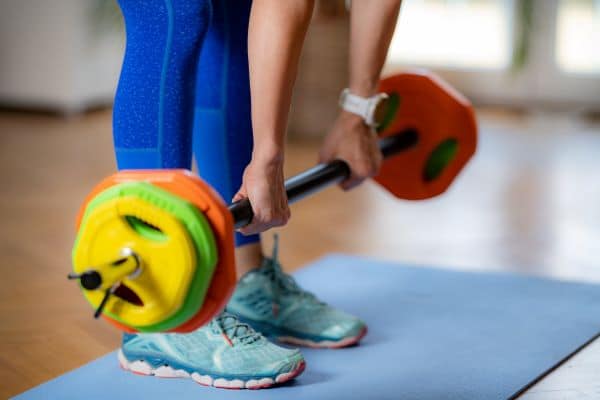
Strength training is essential for building muscle, increasing bone density, and boosting metabolism. This type of exercise involves using resistance to challenge your muscles, whether through weights, resistance bands, or bodyweight movements. Incorporating strength training into your routine at least two to three times a week can lead to significant improvements in physical strength and body composition. Beginners should focus on mastering technique before adding weight to ensure safety and effectiveness. Moreover, strength training can complement other forms of exercise by improving performance and reducing the risk of injury.
Flexibility and Mobility Workouts

Flexibility and mobility are often overlooked aspects of fitness, yet they are crucial for a well-rounded health regimen. These workouts, including yoga, Pilates, and targeted stretching exercises, enhance joint range of motion, reduce the risk of injuries, and can significantly alleviate muscle stiffness and pain. Regular flexibility training improves posture, supports efficient movement patterns, and can even enhance athletic performance. For individuals who spend many hours sitting or in repetitive motion activities, integrating flexibility and mobility exercises into their daily routine can counteract the negative effects of prolonged sedentary behavior, leading to improved overall physical health.
Yoga and Pilates, in particular, offer a blend of strength, flexibility, and mental focus. These practices not only promote greater flexibility but also encourage mindfulness and stress reduction. They can be easily adapted to different fitness levels and preferences, making them accessible to a wide range of individuals. Starting with short sessions and gradually increasing the duration and complexity of the movements can help build a solid foundation of flexibility and mobility. These practices serve not only as a complement to more intense physical activities but also as a valuable tool for recovery and relaxation.

High-Intensity Interval Training (HIIT)

High-Intensity Interval Training (HIIT) is a powerful workout methodology designed to improve fitness quickly and efficiently. By alternating short bursts of intense activity with periods of rest or lower-intensity exercise, HIIT sessions can significantly enhance cardiovascular fitness, burn calories, and increase muscle tone in a relatively short amount of time. This format keeps the heart rate up and challenges the body in diverse ways, making it an excellent option for those looking to achieve significant results without spending hours at the gym. HIIT is adaptable to many types of activities, including sprinting, biking, jump rope, and more, offering variety to keep workouts engaging and challenging.
Despite its benefits, HIIT is demanding and may not be suitable for everyone, especially beginners or those with certain health conditions. It’s important to start with workouts that match your current fitness level and gradually increase intensity as your endurance and strength improve. Proper warm-up and cool-down periods are essential to prevent injury and aid recovery. Additionally, because of its intensity, HIIT should be incorporated into a fitness regimen judiciously, with adequate rest days to allow for recovery. This approach ensures that you reap the benefits of HIIT without overtraining or causing injury.
Mind-Body Connection Exercises

Exercises that focus on the mind-body connection, such as tai chi and qigong, offer unique benefits beyond physical fitness. These ancient practices combine slow, deliberate movements with breath control and meditation to enhance mental clarity, reduce stress, and improve physical balance and flexibility. By focusing on the connection between mind and body, these exercises promote a sense of calm and well-being that can be particularly beneficial in today’s fast-paced world. They are suitable for people of all ages and fitness levels, providing a gentle yet effective way to stay active and centered.
Incorporating mind-body exercises into your routine can serve as a powerful antidote to the stresses of modern life, offering a moment of tranquility and mindfulness that has lasting effects beyond the workout session. Regular practice can lead to improved emotional balance, reduced symptoms of anxiety and depression, and a heightened sense of overall well-being. These practices can be easily integrated into daily life, whether as a morning ritual to start the day positively or as an evening activity to promote relaxation and better sleep. As with any exercise, consistency is key to experiencing the full range of benefits these practices offer.
Sports and Recreational Activities

Engaging in sports and recreational activities is a fun and dynamic way to stay fit while doing something you love. Activities like tennis, soccer, basketball, and hiking not only provide excellent cardiovascular and muscular benefits but also offer the opportunity to socialize and develop new skills. These activities can be particularly appealing for those who find traditional gym workouts monotonous or uninspiring. By participating in team sports or outdoor adventures, individuals can experience a sense of community and accomplishment, enhancing both physical health and emotional well-being.
Finding a sport or activity that resonates with you is key to maintaining a consistent exercise routine. Many communities offer local leagues, classes, or groups that cater to various interests and skill levels. These settings provide a supportive environment to learn and grow, regardless of your starting point. Additionally, recreational activities often introduce a natural variability in exercise, challenging different muscle groups and improving overall fitness in a way that is difficult to achieve through repetitive workouts. Embracing these activities can lead to a lifelong commitment to staying active and healthy.
Finding Your Fitness Path
Choosing the right type of exercise is a deeply personal decision that should align with your individual health goals, interests, and lifestyle. This guide has explored various options, from the intensity of HIIT to the tranquility of mind-body practices, highlighting the importance of diversity in your workout regimen. As you experiment with different forms of exercise, remember that consistency, enjoyment, and balance are key to sustaining a healthy lifestyle. Ultimately, the best exercise for you is one that you look forward to doing, can maintain over time, and supports your overall well-being.