Contents
Calcium – Building Strong Bones and Teeth

Calcium is renowned for building and maintaining strong bones and teeth, making it an essential mineral for lifelong health. However, calcium deficiency is prevalent, especially among older adults, women, and those on restrictive diets, leading to increased risks of osteoporosis and bone fractures. The body needs calcium for bone health, vascular contraction and vasodilation, muscle function, nerve transmission, and intracellular signaling. Without adequate calcium, the body may start to leach it from the bones, compromising bone density and overall health.
Incorporating calcium-rich foods into the diet is the best way to prevent deficiency and support bone health. Dairy products like milk, cheese, and yogurt are well-known sources, but for those who are lactose intolerant or following a vegan diet, there are plenty of other options. Leafy green vegetables, fortified plant milk and juices, almonds, and tofu set with calcium sulfate can offer substantial amounts of calcium. Additionally, ensuring adequate vitamin D intake is crucial as it enhances calcium absorption in the gut, reinforcing the importance of a balanced diet in maintaining skeletal health.
Magnesium – The Forgotten Mineral
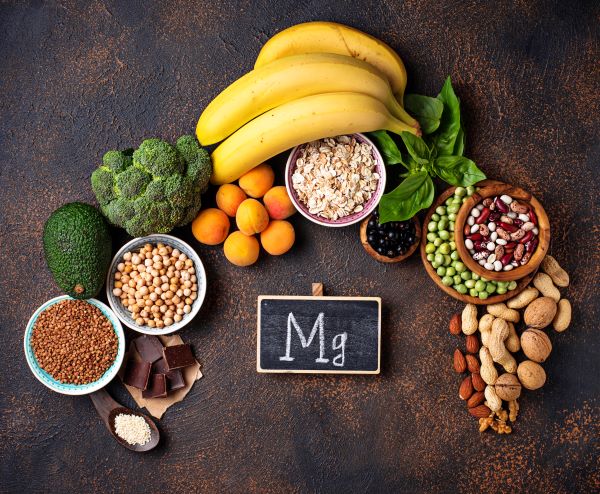
Magnesium is a crucial mineral that participates in over 300 enzymatic reactions in the body, including protein synthesis, muscle and nerve function, blood glucose control, and blood pressure regulation. Despite its importance, magnesium deficiency is not uncommon, often due to inadequate dietary intake. This deficiency can lead to a range of health issues, such as muscle cramps, mental disorders, osteoporosis, and an increased risk of cardiovascular diseases. Ensuring a sufficient magnesium intake is vital for maintaining health and preventing chronic conditions.
Dietary sources of magnesium are abundant and include whole grains, nuts, seeds, legumes, and green leafy vegetables. Individuals can easily meet their daily magnesium requirements by focusing on a diet rich in these foods. However, factors like soil depletion can reduce the magnesium content in produce, making it challenging for some to achieve optimal intake through diet alone. In such cases, magnesium supplements can be a helpful addition under the guidance of a healthcare professional. Regular magnesium-rich foods or supplements can significantly improve health outcomes, highlighting the mineral’s importance in a balanced diet.
Potassium – Maintaining Fluid Balance

Potassium is essential in maintaining fluid balance, regulating blood pressure, and ensuring proper muscle function. It counteracts sodium’s effects, helping maintain healthy blood pressure levels and reduce the risk of cardiovascular diseases. Despite its crucial roles, many people do not consume enough potassium, which can lead to hypertension, increased risk of stroke, and muscle weakness. Increasing potassium intake through diet can help to mitigate these risks and support overall health.
Fruits such as bananas, oranges, and apricots, as well as vegetables like spinach, potatoes, and sweet potatoes, are rich sources of potassium. Including a variety of these foods in the diet can help to ensure adequate potassium intake. It’s also important to balance potassium with sodium intake, as high sodium consumption can negate the benefits of potassium on blood pressure. Individuals can improve their potassium levels and support cardiovascular health by focusing on whole foods and limiting processed foods high in sodium.
Probiotics – Supporting Gut Health
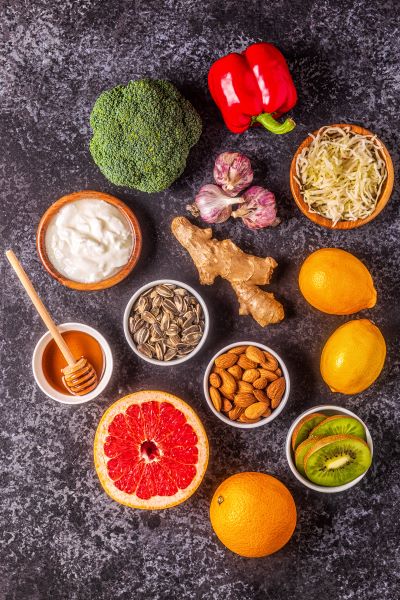
Probiotics are live microorganisms that confer health benefits when consumed in adequate amounts, particularly for digestive health. They contribute to a balanced gut microbiome, crucial for digestion, nutrient absorption, and immune function. Modern diets, high in processed foods and low in fiber, can disrupt gut microbiota, leading to digestive issues, increased inflammation, and a higher risk of chronic diseases. Incorporating probiotics into the diet can help to restore gut balance and promote overall health.
Fermented foods like yogurt, kefir, sauerkraut, kimchi, and kombucha are excellent sources of probiotics. Regularly consuming these foods can help enhance gut health, improve digestion, and boost the immune system. Probiotic supplements may be a beneficial alternative for those who do not consume fermented foods regularly. It’s important to choose products with various probiotic strains and ensure they contain live cultures. Supporting gut health through probiotics is a simple yet effective way to improve overall well-being and prevent health issues.
The Bottom Line
The modern diet often falls short of providing all the essential nutrients needed for optimal health, leading to widespread deficiencies that can have significant health impacts. Individuals can greatly improve their health and reduce the risk of chronic diseases by being mindful of these essential nutrients and taking proactive steps to include them in their diet. Whether through dietary changes or, where necessary, supplementation, ensuring adequate intake of fibers, omega-3 fatty acids, vitamin D, iron, calcium, magnesium, potassium, and probiotics is key to maintaining health and wellness. For those unsure about their nutritional status, consulting with a nutritionist or healthcare provider can offer personalized advice to address any dietary gaps, further supporting the journey toward a healthier life.