Contents
Incorporate Strength Training And Weight-Bearing Exercises
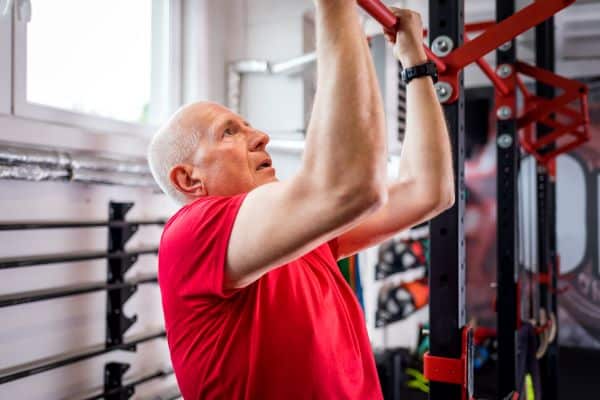
Engaging in regular strength training and weight-bearing exercises is a powerful way to combat bone density loss. Exercises such as walking, jogging, and resistance training stimulate bone formation and help in maintaining bone mass. These activities force the body to work against gravity, promoting bone strength and reducing the risk of osteoporosis. Starting with light exercises and gradually increasing intensity can make a significant difference in bone health.
Moreover, consistency in exercise routines is key to achieving and maintaining benefits. It is advised to integrate a mix of cardiovascular, strength, and flexibility exercises into weekly routines. Consulting with a fitness professional to design an exercise program that suits individual health status and fitness levels can provide tailored benefits. This approach not only supports bone health but also improves overall well-being.
Get Adequate Sun Exposure For Vitamin D

Vitamin D plays a critical role in calcium absorption and bone health. Sunlight is a natural source of Vitamin D, and getting adequate sun exposure can help maintain the required levels of this essential nutrient. However, it’s important to balance sun exposure with skin cancer risk. Spending 10-15 minutes in the sun several times a week can be sufficient for Vitamin D synthesis without increasing skin cancer risk.
For those living in areas with limited sunlight or who have concerns about sun exposure, Vitamin D supplements can be an effective alternative. Consulting with a healthcare provider to determine the appropriate dosage is important, as Vitamin D needs can vary based on age, geographic location, and individual health conditions. Maintaining optimal Vitamin D levels supports calcium absorption and bone health, making it a crucial factor for individuals over 50.
Monitor Bone Density

Regular monitoring of bone density is a proactive measure to maintain strong bones after 50. Bone density tests, such as DEXA scans, provide valuable information about bone health and the risk of osteoporosis. These tests can help detect early signs of bone loss, allowing for timely intervention through lifestyle changes or medication. It’s recommended to discuss the frequency of these tests with a healthcare provider, as individual risk factors can determine how often they should be conducted.
Understanding the results and following through with recommended actions is vital. Whether it involves adjusting dietary habits, modifying exercise routines, or starting medication, each step contributes to preserving bone health. Early detection and intervention can significantly impact the ability to maintain strong bones and prevent fractures in later life.
The Bottom Line
Maintaining strong bones after 50 requires a comprehensive approach that includes dietary changes, regular physical activity, lifestyle adjustments, and monitoring bone health. By prioritizing calcium-rich foods, incorporating strength training and weight-bearing exercises, limiting alcohol consumption and quitting smoking, ensuring adequate Vitamin D through sun exposure or supplements, and monitoring bone density, individuals can significantly improve their bone health. These strategies not only contribute to stronger bones but also enhance overall well-being. Taking proactive steps towards bone health is crucial for a vibrant and active life beyond 50.