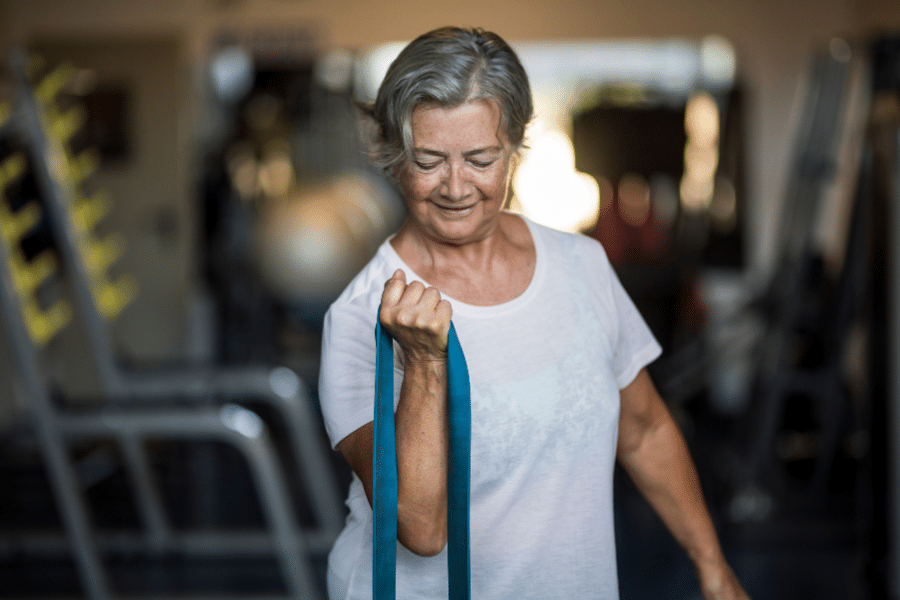
As individuals age, maintaining strong bones becomes increasingly important to ensure a high quality of life and independence. After the age of 50, bones can become more susceptible to loss of density and strength, leading to conditions such as osteoporosis. This blog post reveals seven secrets to preserving bone health beyond 50. These strategies are grounded in scientific research and practical advice, focusing on nutrition, exercise, and lifestyle adjustments. By adopting these practices, it’s possible to protect bone health, reduce the risk of fractures, and maintain an active, fulfilling life in the later years.
Prioritize Calcium-Rich Foods

To maintain strong bones after 50, incorporating calcium-rich foods into the diet is essential. Calcium is a critical mineral for bone health, but as the body ages, it becomes less efficient at absorbing it. Therefore, it’s crucial to focus on consuming a variety of calcium sources. Dairy products like milk, cheese, and yogurt are well-known for their calcium content. However, for those who are lactose intolerant or prefer plant-based options, leafy green vegetables, almonds, sesame seeds, tofu, and fortified plant milks offer excellent alternatives. Including these foods in daily meals can significantly contribute to the calcium intake necessary for bone maintenance.
In addition to calcium, vitamin D plays a pivotal role in bone health by enhancing the body’s ability to absorb calcium. Unfortunately, vitamin D deficiency is common, especially in individuals over 50. The primary source of vitamin D is sunlight exposure, but it can also be found in foods like fatty fish, egg yolks, and fortified foods. Supplements may be necessary for those with limited sun exposure or dietary restrictions. It’s important to consult with a healthcare provider to determine the appropriate vitamin D levels and supplementation needs, ensuring that calcium absorption is optimized for bone strength.
Engage In Weight-Bearing And Muscle-Strengthening Exercises
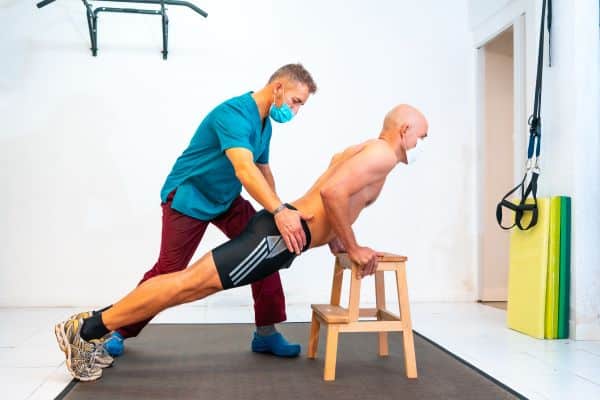
Exercise is a cornerstone of maintaining bone density and strength, particularly weight-bearing and muscle-strengthening activities. These exercises force the body to work against gravity, stimulating bone formation and slowing the natural bone loss that occurs with age. Examples include walking, hiking, dancing, and stair climbing, which not only benefit the bones but also improve cardiovascular health. Incorporating these activities into a regular exercise regimen can make a significant difference in maintaining bone health after 50.
Muscle-strengthening exercises, also known as resistance training, are equally important for bone health. Activities such as lifting weights, using resistance bands, or performing body-weight exercises like push-ups and squats help build muscle mass and bone strength. This type of exercise applies stress to the bones, which encourages the formation of new bone tissue. Engaging in muscle-strengthening exercises at least two days a week is recommended to support bone density and overall physical health. Tailoring these activities to individual fitness levels and health conditions is crucial to prevent injury and maximize benefits.
Limit Alcohol Consumption And Quit Smoking

Lifestyle choices, particularly alcohol consumption and smoking, have a profound impact on bone health. Excessive alcohol intake can interfere with the body’s ability to absorb calcium, leading to decreased bone density and increased risk of fractures. Moderation is key; limiting alcohol to moderate levels can help preserve bone strength and overall health. For those aged 50 and above, adhering to recommended guidelines on alcohol consumption is vital for maintaining strong bones.
Smoking is another significant risk factor for bone health. It impairs calcium absorption, reduces blood flow to the bones, and increases the risk of osteoporosis and bone fractures. Quitting smoking is one of the most effective measures to protect bone health and enhance overall well-being. There are various resources and support systems available to help with quitting smoking, from counseling services to nicotine replacement therapies. Making the decision to quit smoking and seeking the necessary support can lead to improved bone health and a healthier lifestyle.