Tinnitus, often described as ringing in the ears, affects millions worldwide, presenting as an array of sounds from buzzing, hissing, and whining to even pulsating in the absence of external noise. This condition, far from mere annoyance, can significantly impact an individual’s quality of life, leading to distress, difficulty concentrating, and sleep disturbances. Though commonly associated with hearing loss, tinnitus triggers, and underlying mechanisms are diverse, ranging from exposure to loud noises and certain medical conditions to the natural aging process. The complexity of tinnitus, with its various types and causes, necessitates a multifaceted approach to understanding, diagnosing, and managing the condition.
Contents
The Silent Symphony – What is Tinnitus?
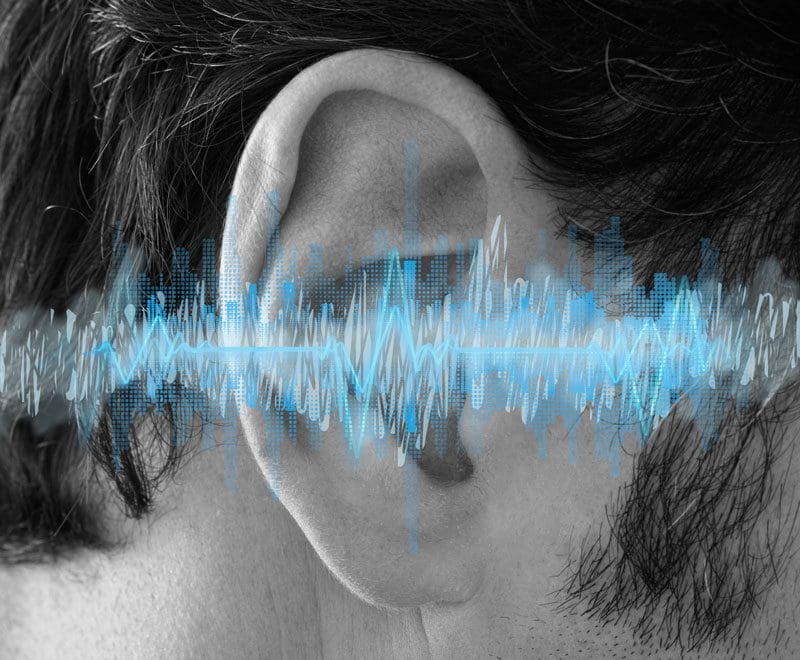
Tinnitus manifests as the perception of sound without an external source, often described as a ringing, buzzing, or hissing in the ears. This phenomenon can be intermittent or continuous, and its intensity varies, potentially disrupting daily activities and sleep. The condition is subjective, meaning only the person experiencing tinnitus can hear these sounds, making it a particularly isolating experience. Tinnitus is categorized into two main types: subjective, the most common form and can only be heard by the affected individual, and objective, a rare form that an examiner can hear during a medical evaluation.
Deciphering the Causes – Unraveling the Mysteries Behind Tinnitus
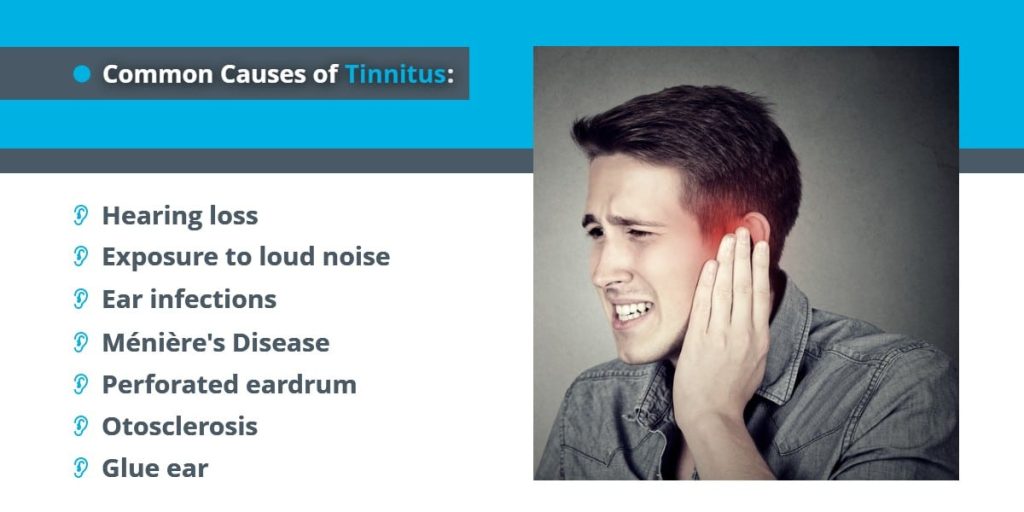
The causes of tinnitus are multifaceted and can stem from various factors, including age-related hearing loss, exposure to loud noises, certain medical conditions, and medications. Noise-induced hearing loss is a significant contributor, highlighting the importance of protecting one’s hearing. Medical conditions such as otosclerosis, Meniere’s disease, and ear infections can also precipitate tinnitus, as can certain medications known to be ototoxic. Understanding the underlying cause is crucial in developing an effective treatment plan.

Diagnosing tinnitus involves a comprehensive evaluation, including a detailed medical history, physical examination, and hearing tests. Audiological exams are paramount in assessing the severity of hearing loss and the specific characteristics of tinnitus. In some cases, imaging tests such as MRI or CT scans are recommended to rule out any underlying conditions. This diagnostic process aids in tailoring a personalized treatment strategy, addressing the symptoms and their root cause.
Treatment Horizons – Addressing Tinnitus with Innovative Approaches
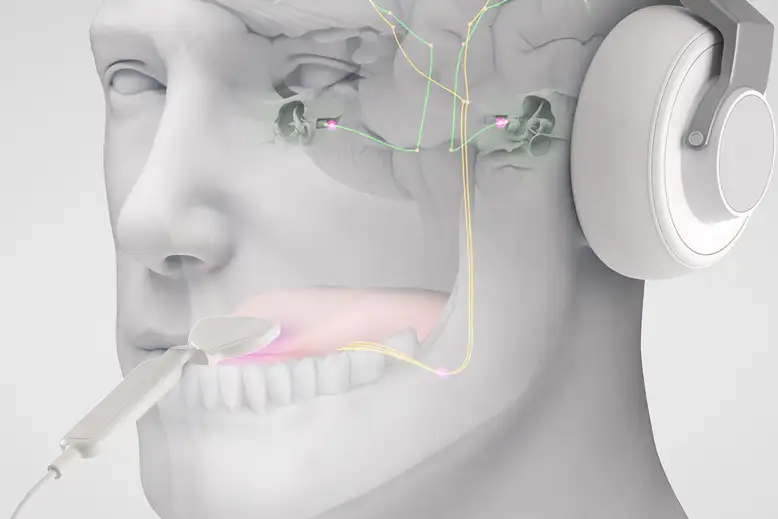
Treatment for tinnitus varies, focusing on alleviating symptoms and improving quality of life. Sound therapy, using external sounds to either mask or distract from the tinnitus, offers significant relief for many. Hearing aids are beneficial, especially for those with hearing loss, by amplifying external sounds and making tinnitus less noticeable. Cognitive-behavioral therapy (CBT) has emerged as an effective tool in managing tinnitus’s psychological impacts, helping individuals cope with distress and focus less on noise.
The Role of Lifestyle Adjustments in Tinnitus Management

Lifestyle modifications are pivotal in managing tinnitus, with strategies to minimize its impact. Stress management techniques, such as meditation, yoga, and relaxation exercises, can alleviate the stress and anxiety associated with tinnitus. Sound management, including white noise machines and mindful listening practices, helps create a more comfortable auditory environment. Protecting one’s hearing through earplugs in noisy settings is crucial in preventing further damage.