Water is the essence of life, yet its purity is often taken for granted. In recent years, the spotlight has turned to the hidden dangers lurking in our drinking water, raising alarms about the safety of this vital resource. This article delves into the various toxins that might be contaminating our water supply. From industrial pollutants to biological hazards, understanding these risks is crucial for ensuring the health and well-being of ourselves and our families. As we explore these hidden toxins, the goal is to foster a better understanding and awareness of what’s really in our drinking water.
Contents
- Understanding Water Contamination
- Common Toxins in Household Water Supplies
- Industrial and Agricultural Pollutants
- Biological Contaminants
- The Effects of Old Pipes and Infrastructure
- Home Filtration Systems: A Solution?
- Regulations and Safety Standards
- Taking Action for Safer Water
- Securing Our Water’s Future
Understanding Water Contamination
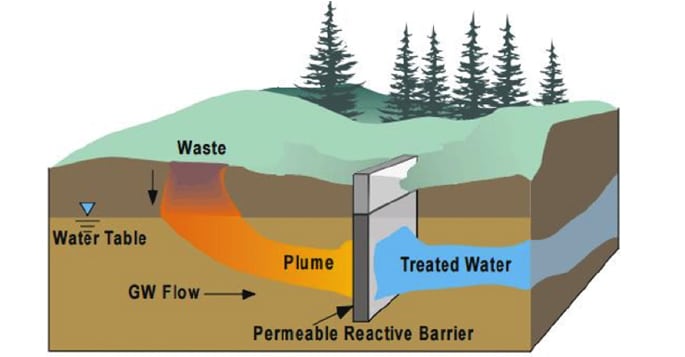
Water contamination refers to the presence of unwanted substances in water, making it unsafe or unsuitable for consumption. These contaminants can originate from a multitude of sources, both natural and human-made. Natural sources include minerals from the earth’s crust that dissolve into water, while human-made sources are diverse, ranging from industrial waste to agricultural runoff. Understanding water contamination is vital because it directly impacts not only our health but also the ecosystem. Awareness of what constitutes water contamination is the first step in safeguarding against these hidden dangers.
The various forms of water contamination highlight the complexity of this issue. Chemicals, heavy metals, organic and inorganic compounds, and even biological organisms can pollute water. Each type of contaminant poses a different level of threat and requires distinct methods for removal or treatment. This complexity underscores the importance of comprehensive testing and monitoring of water supplies, a responsibility shared by both authorities and individuals. By grasping the nature and sources of water contaminants, we can better understand how to protect our most precious resource.
Common Toxins in Household Water Supplies

One of the primary concerns for many households is the presence of toxins in their drinking water. Common toxins include lead, which can leach into water from old pipes; chlorine, often used for water treatment but potentially harmful in high doses; and fluoride, added for dental health benefits but controversial due to potential health risks at higher concentrations. Each of these toxins originates from different sources and poses unique health risks. For instance, lead exposure can cause developmental issues in children, while excessive chlorine can lead to respiratory problems.
Apart from these, other toxins such as arsenic found naturally in the earth’s crust and nitrates, prevalent in agricultural areas due to fertilizer use, also find their way into water supplies. These substances can have severe health implications, including cancer and methemoglobinemia, respectively. The presence of such toxins in water raises serious concerns about the effectiveness of existing water treatment processes and the need for additional safety measures at home. Understanding these common toxins is critical for individuals to take informed steps toward ensuring the safety of their drinking water.
Industrial and Agricultural Pollutants
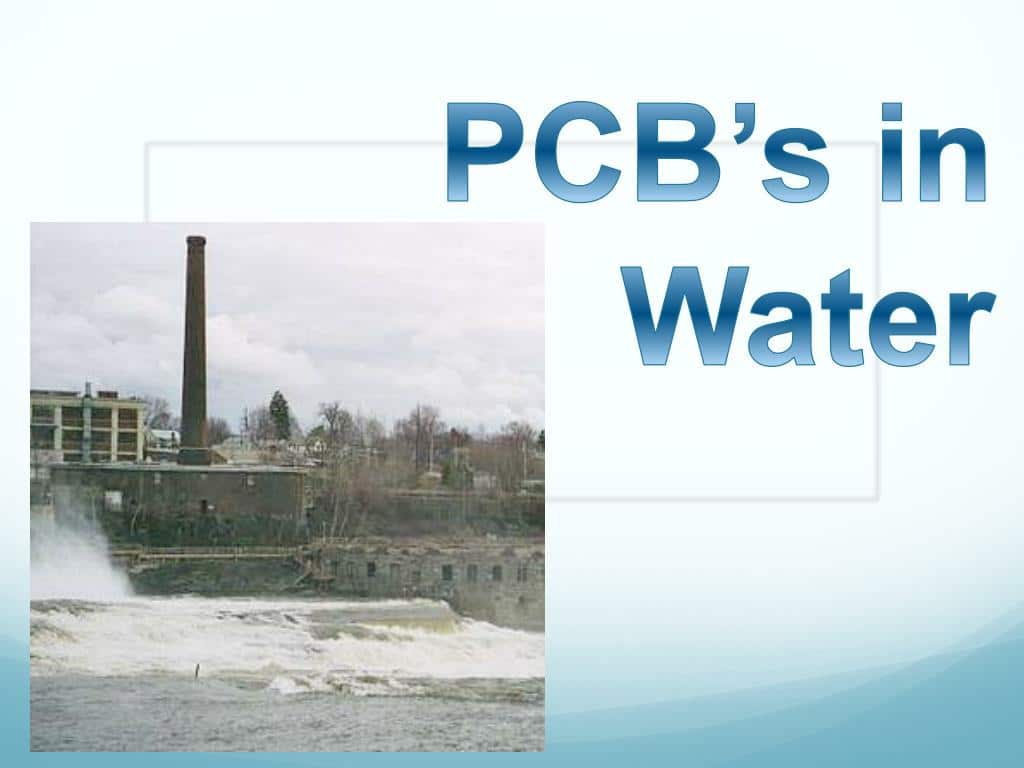
Industrial and agricultural activities contribute significantly to water contamination. Industrial pollutants like polychlorinated biphenyls (PCBs) and dioxins, often a byproduct of manufacturing processes, are persistent environmental contaminants that can accumulate in the water supply. These chemicals are known for their long-term effects on human health, including cancer and endocrine disruption. Similarly, agricultural runoff, carrying pesticides and fertilizers, poses a major threat to water quality. These substances can lead to nutrient pollution, which in turn causes harmful algal blooms and disrupts aquatic ecosystems.
The entry of these pollutants into water bodies is facilitated through various pathways, including direct discharge, atmospheric deposition, and runoff. Once in the water supply, they can be challenging to eliminate due to their persistent nature. This situation is exacerbated by the often inadequate monitoring and regulation of industrial and agricultural waste disposal. To mitigate these risks, it’s crucial to understand the impact of these activities on water quality and to advocate for stricter regulations and better waste management practices. Awareness and action at both the individual and community levels are essential in combating the threat of industrial and agricultural pollutants in our water.
Biological Contaminants
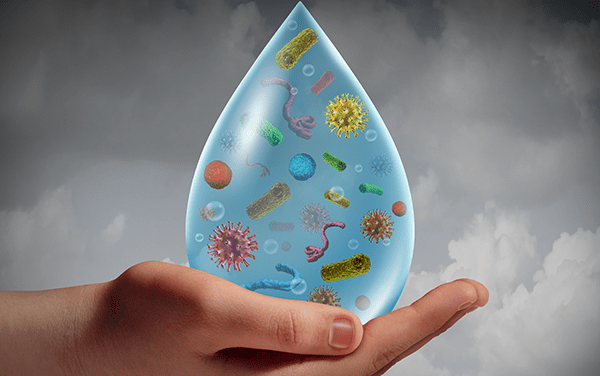
Biological contaminants in water are a significant concern, primarily because they can lead to waterborne diseases. These biological entities include bacteria, viruses, and protozoa, which can be introduced into water supplies through various means, such as sewage overflows, contaminated stormwater runoff, and agricultural processes. The health risks associated with these contaminants are substantial, ranging from gastrointestinal illnesses to more severe conditions like cholera and dysentery. The presence of these microorganisms in water is often a sign of other underlying issues with water safety and sanitation practices.
The methods of contamination are diverse. Natural disasters like floods can exacerbate the spread of these organisms by overwhelming water treatment systems and spreading contaminants over a wide area. On the other hand, everyday activities such as improper disposal of waste and inadequate sewage treatment can also contribute to this problem. Prevention strategies include improving sanitation infrastructure, implementing proper waste disposal methods, and regular testing of water supplies. Educating communities about the risks of biological contaminants and ways to prevent them is also crucial in ensuring safe drinking water.
The Effects of Old Pipes and Infrastructure

The aging water infrastructure, particularly old pipes, plays a significant role in water contamination. In many regions, water distribution systems are decades old and are at risk of leaching contaminants like lead into the water supply. This is particularly concerning in areas with lead pipes or plumbing fixtures, where the corrosion of these materials can result in significant amounts of lead entering the water. Lead contamination is a serious health issue, particularly for children, as it can lead to developmental delays and neurological damage.
Besides lead, corrosion in old pipes can also lead to other issues, such as the release of iron and copper, which can affect water quality and taste. Moreover, aging infrastructure may not be efficient in removing new classes of contaminants that were not considered when the systems were designed. While municipal water treatment plants play a critical role in purifying water before it reaches households, they may not always be capable of addressing contamination issues arising from within the household’s own plumbing. This highlights the need for regular maintenance and updates to water distribution systems, as well as the importance of individual households taking steps to mitigate these risks, such as installing point-of-use filters.
Home Filtration Systems: A Solution?
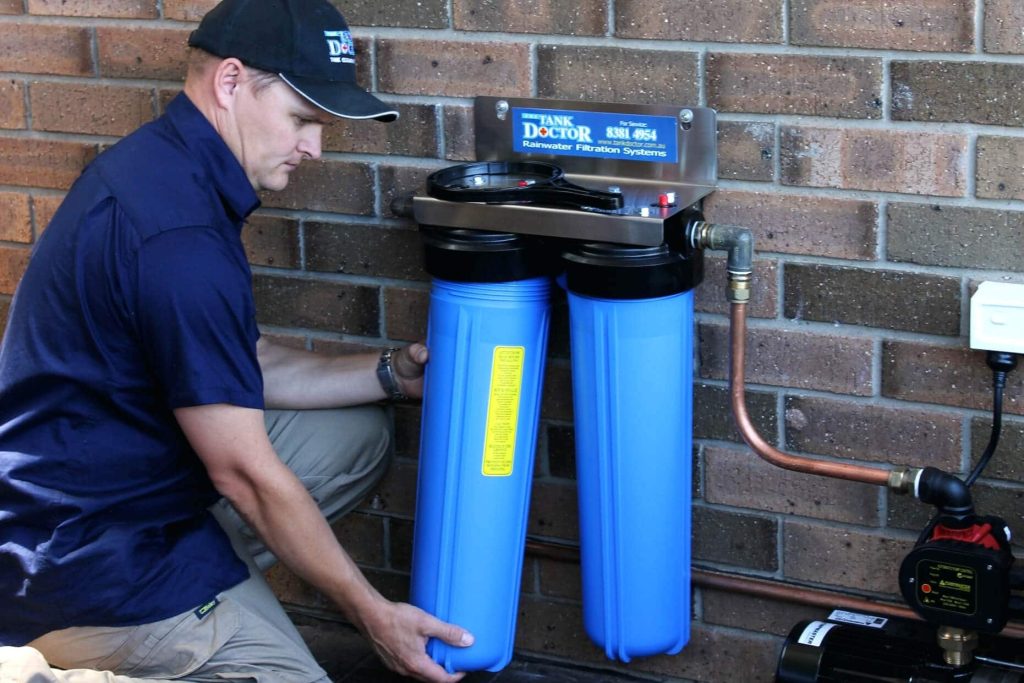
Home water filtration systems have become increasingly popular as a solution to combat water contamination. These systems range from simple pitchers with filters to more complex under-sink and whole-house filtration systems. Each type offers different levels of protection and targets various contaminants. For example, activated carbon filters are effective against chlorine and its by-products, while reverse osmosis systems can remove a broader range of contaminants, including heavy metals and certain chemicals.
However, the effectiveness of these systems can vary, and they come with their own set of pros and cons. While pitchers and faucet-mounted filters are affordable and easy to install, they may not be as effective in removing all types of contaminants. On the other hand, whole-house systems provide more comprehensive protection but are more expensive and require professional installation and maintenance. Homeowners must weigh their specific needs, the quality of their water supply, and their budget when considering a home filtration system. Moreover, it’s important to regularly maintain and replace filters to ensure these systems continue to function effectively.
Regulations and Safety Standards
Regulations and safety standards play a crucial role in ensuring the quality of drinking water. In the United States, the Environmental Protection Agency (EPA) sets standards for over 90 contaminants in public drinking water systems under the Safe Drinking Water Act. These standards are designed to protect human health, including the health of sensitive populations such as children and the elderly. However, these regulations have their limitations, as they may not cover all contaminants, and the levels set for allowable contaminants may not fully account for long-term exposure or the cumulative effects of multiple toxins.
Moreover, the enforcement and monitoring of these regulations can be inconsistent, leading to variations in water quality across different regions and communities. Small water systems, in particular, may struggle to meet these standards due to limited resources. This situation underscores the importance of regular testing and monitoring of water quality, not just by authorities but also by individuals. Awareness of local water quality reports and understanding the contaminants listed in these reports are essential for individuals to assess the safety of their water supply and take appropriate actions if necessary.
Taking Action for Safer Water
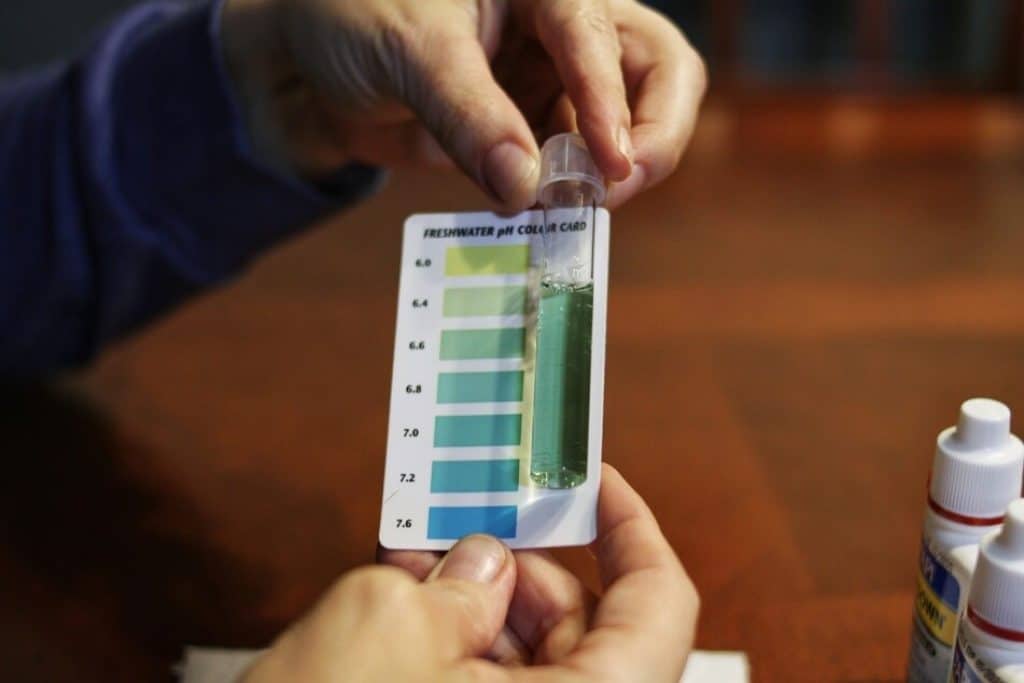
Individual responsibility and community action are pivotal in addressing the issue of water contamination. Homeowners can take the initiative to test their water, especially if they rely on private wells or live in areas with known contamination issues. Testing can be done through local health departments or by purchasing home testing kits. If contaminants are detected, steps such as installing appropriate filtration systems or advocating for local government action can be taken.
Community advocacy plays a significant role in improving water safety standards. Informed communities can push for stricter pollution controls, better infrastructure investment, and more rigorous enforcement of existing regulations. Participating in community meetings, staying informed about local water issues, and voicing concerns to elected officials are ways individuals can contribute to the broader effort of ensuring safe drinking water. Collective action and informed decision-making are key to addressing the complex challenge of water contamination and protecting this vital resource for future generations.
Securing Our Water’s Future
Understanding and addressing the hidden toxins in our drinking water is not just a matter of scientific inquiry but a crucial step towards safeguarding our health and environment. From individual actions like using home filtration systems and regular water testing to collective efforts in advocating for stronger regulations and improved infrastructure, every step counts. As we continue to confront the challenges posed by water contaminants, our combined efforts can lead to a future where clean, safe drinking water is a universal reality, not just a privilege. The journey towards securing our water’s future is ongoing, and it requires the awareness and participation of each one of us.