Contents
Interactions and Complications

Medication interactions are a critical aspect of pharmacology that can lead to adverse health effects. When different drugs are taken together, they can interact in ways that diminish their efficacy or produce harmful side effects. For example, certain blood thinners can have dangerous interactions with other medications, leading to an increased risk of bleeding. Similarly, some antidepressants can interact with over-the-counter medicines like pain relievers, causing severe health complications.
Lifestyle factors can also significantly influence the effectiveness and safety of medications. Dietary choices, for instance, can affect how the body processes certain drugs, while habits like alcohol consumption can lead to dangerous interactions and increased side effects. This complexity underscores the importance of holistic health management, where medication is considered alongside lifestyle and dietary habits. Patients must be informed about these potential interactions and encouraged to discuss all aspects of their lifestyle with their healthcare provider.
Recognizing the Signs – When to Seek Help

Understanding the signs and symptoms that may indicate medication-related health issues is vital for timely intervention. Side effects can range from subtle changes, like slight dizziness or changes in appetite, to more severe symptoms, like acute pain, severe allergic reactions, or drastic mood changes. Patients should be educated about these signs and encouraged to monitor their health closely, especially when starting a new medication or altering dosages.
The importance of proactive health monitoring while on medication cannot be overstated. Regular health check-ups and open communication with healthcare providers are essential. Patients should feel empowered to discuss any concerns or unusual symptoms they experience with their doctors. Knowing when to seek help can prevent more severe health complications and ensure that medications are used safely and effectively.

Effectively navigating the healthcare system is crucial for ensuring safe and appropriate medication use. It’s essential for patients to actively engage in conversations with their healthcare providers about their medications. This includes discussing potential side effects, understanding the purpose of each medication, and being clear about dosage instructions. Patients should feel empowered to ask questions and express any concerns they may have about their medication regimen.
The role of pharmacists is also pivotal in managing medication safety. They serve as a valuable resource for information about drug interactions, side effects, and proper medication management. Regular health check-ups and medication reviews with healthcare professionals can help identify potential issues early on. These practices ensure that medications continue to serve their intended purpose without causing undue harm to the patient.
Alternatives to Traditional Medication

Exploring alternatives to traditional medication can be a viable option for some individuals. Lifestyle modifications, such as changes in diet, exercise, and stress management techniques, can significantly improve various health conditions without the need for medication. Additionally, natural remedies and complementary therapies, such as acupuncture, herbal supplements, and yoga, can offer benefits for some conditions. However, it is crucial to approach these alternatives with caution and always under the guidance of a healthcare professional.
The discussion of alternative therapies should not be seen as a complete replacement for traditional medication but rather as a complementary approach. It’s important to balance the benefits of these alternatives with their scientific evidence and potential risks. Patients should avoid self-medicating with over-the-counter or natural remedies without consulting their healthcare provider. Professional guidance ensures that any alternative treatments used are safe and compatible with existing medication regimens.
Medication’s Double-Edged Sword
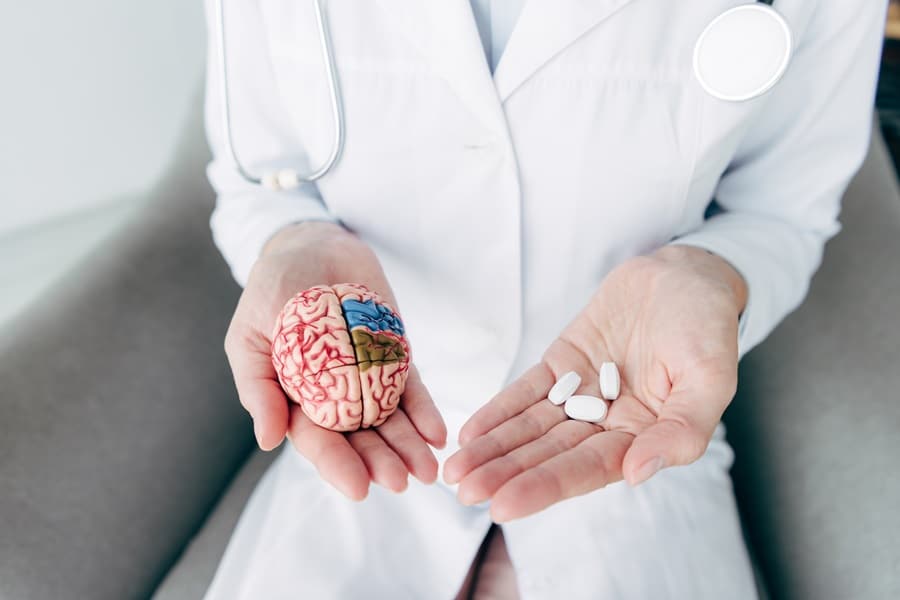
Medications are a double-edged sword: while they are crucial in treating and managing health conditions, they can also pose significant risks. Awareness of these risks, recognizing signs of adverse effects, and understanding the impact of long-term medication use are vital for anyone taking medication. Effective communication with healthcare providers and a proactive approach to medication management can greatly reduce potential health hazards. As we navigate our health journeys, balancing the benefits and risks of medication remains a critical aspect of achieving optimal health and wellbeing.