Detox diets have surged in popularity, touted as a miraculous solution for weight loss, health improvement, and toxin removal. Often presented in alluring packages of juice cleanses, fasting, and an array of supplements, these diets claim to purge the body of impurities and rejuvenate health. However, the validity of these claims remains a topic of debate among health experts. This article aims to dissect and debunk common myths surrounding detox diets, providing a clear, evidence-based perspective for those considering or currently engaging in such dietary practices.
Contents
Understanding Detox Diets

Detox diets come in various forms, ranging from juice cleanses to fasting, and often include the use of supplements purported to aid the detoxification process. Originating from the concept that the body needs assistance in eliminating harmful toxins, these diets have gained a significant following. They are frequently marketed with claims of offering numerous benefits, including toxin removal, weight loss, and overall health improvement. However, it’s important to delve into the origins and types of these diets to understand their actual impact on health.
Detox diets, though modern in their commercial presentation, trace back to ancient practices. Cultures across the globe have historically engaged in ritualistic fasting or dietary modifications for spiritual or health reasons. In contemporary times, this ancient practice has been repackaged, often lacking the holistic approach of its predecessors. It’s crucial to differentiate between traditional practices and modern commercial detox diets, as the latter often overlooks the complexity of human health and the body’s natural detoxification processes.
The Myth of Toxin Elimination
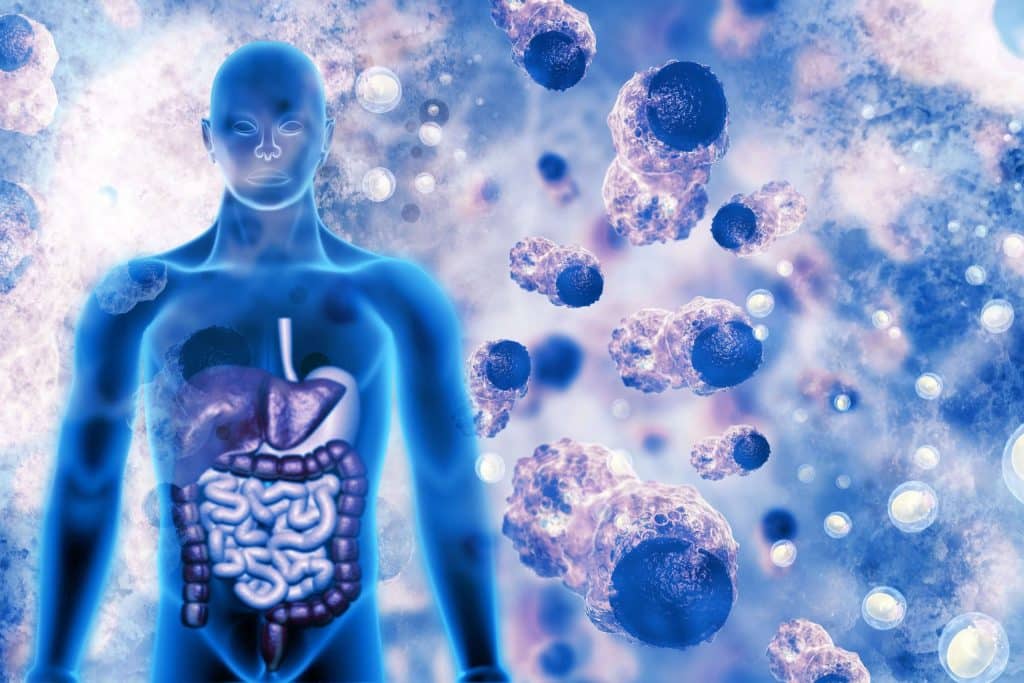
The central premise of detox diets is the elimination of toxins from the body. However, the term ‘toxins’ is often used ambiguously in marketing these diets, rarely specifying the substances purportedly being removed. The human body is already equipped with a sophisticated system for filtering out harmful substances, primarily through the liver and kidneys. It’s a process that functions continuously and efficiently without the need for dietary interventions.
Scientific scrutiny reveals that the concept of needing external help to detoxify is largely unfounded. The body’s natural detoxification systems are incredibly capable, and there is little evidence to suggest that detox diets enhance this process. In fact, some of these diets may impede the natural detoxification process by overburdening or harming these organs. The appeal of detox diets often relies more on persuasive marketing and less on scientific evidence, leading to misconceptions about how our bodies manage toxins.
The Reality Behind Weight Loss
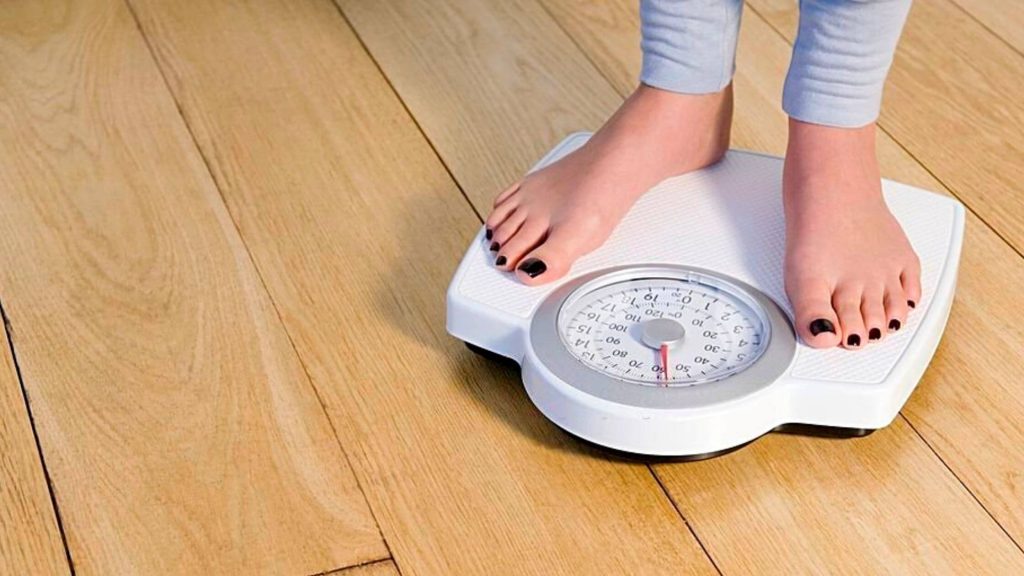
Detox diets are often associated with quick weight loss, a claim that attracts many to try them. While it’s true that following such a diet can lead to immediate weight loss, the nature of this weight loss is often misunderstood. Most of the weight lost during a detox diet is water weight, not fat, and is therefore temporary. This weight is quickly regained once a normal diet is resumed, leading to a cycle of ‘yo-yo dieting.’
The illusion of rapid weight loss can be enticing, but the long-term health impacts are a cause for concern. Detox diets tend to be low in calories and lack essential nutrients, leading to potential nutritional deficiencies if followed for extended periods. These diets can also disrupt metabolism and natural hunger cues, potentially leading to a harmful relationship with food. It’s crucial to understand the difference between short-term weight loss and sustainable, healthy weight management; a distinction often glossed over in the promotion of detox diets.
Nutritional Deficiencies and Risks

Detox diets, particularly those involving extreme fasting or very restrictive food choices, can lead to significant nutritional deficiencies. Essential nutrients, such as proteins, fats, vitamins, and minerals, are often in short supply in these diets. This lack of essential nutrients can lead to a host of health issues, including weakened immunity, decreased bone density, and impaired organ function. The irony is that while aiming to boost health, these diets can actually compromise the body’s ability to function optimally.
Furthermore, the risks associated with long-term or extreme detox diets are not to be underestimated. They can trigger or exacerbate eating disorders, lead to muscle loss, and cause an imbalance in electrolytes and blood sugar levels. These diets can also be particularly harmful to certain groups, such as pregnant women, individuals with chronic health conditions, and the elderly. The pursuit of detoxification, therefore, must be critically examined against its potential health risks, emphasizing the importance of balanced nutrition for maintaining optimal health.