
Lifestyle Factors Exacerbating Stress and Aging

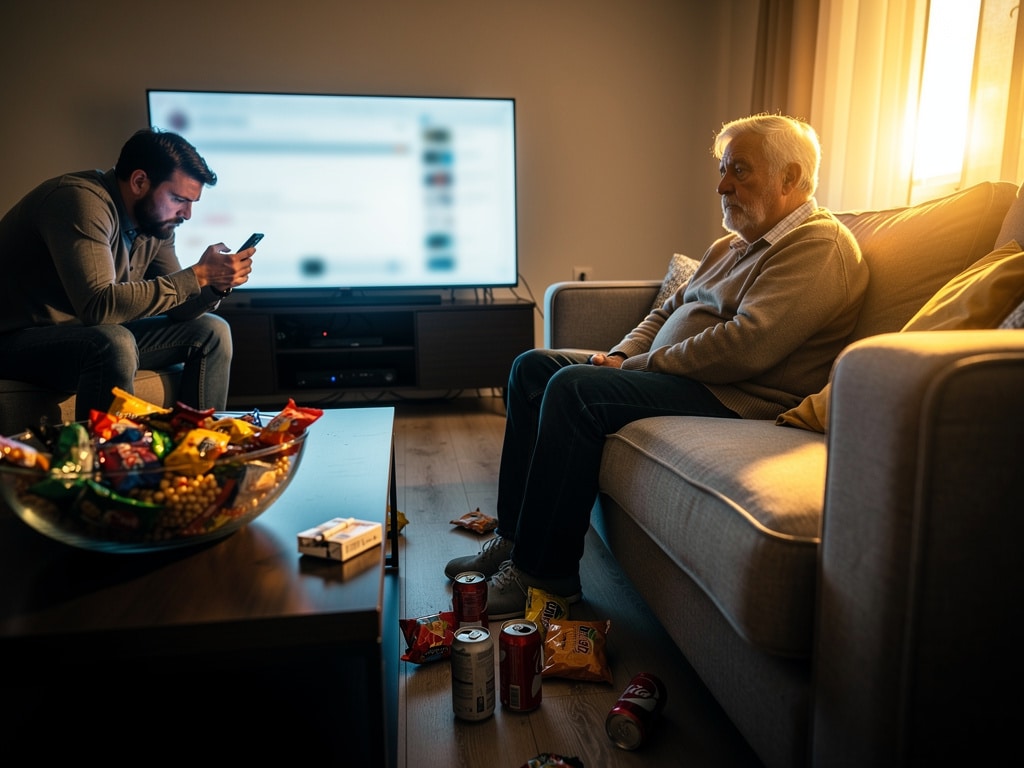
Certain lifestyle choices can exacerbate the impact of stress on aging. Poor diet, characterized by high consumption of processed foods, sugars, and unhealthy fats, can worsen the body’s response to stress. These dietary choices can increase inflammation and oxidative stress, accelerating cellular aging. Moreover, a diet lacking essential nutrients can impair the body’s ability to cope with stressors, leading to a heightened stress response.
Lack of physical activity is another lifestyle factor that can amplify the effects of stress on aging. Regular exercise is known to counteract the negative effects of stress by improving mood, boosting the immune system, and enhancing overall physical health. However, a sedentary lifestyle can lead to increased susceptibility to the harmful effects of stress, including its impact on aging. Thus, Physical activity is essential in managing stress and mitigating its aging effects.
The Impact of Sleep on Stress and Aging

Sleep plays a critical role in how stress affects aging. Poor or insufficient sleep can exacerbate the body’s stress response, leading to increased cortisol levels and accelerated aging. Chronic sleep deprivation has been linked to a range of health issues that are also associated with aging, such as impaired cognitive function, decreased immune response, and increased risk of chronic diseases.
Conversely, adequate sleep can be a powerful tool for managing stress and slowing aging. Quality sleep helps regulate hormone levels, repair cellular damage, and improve overall mental and physical health. Ensuring regular, restorative sleep is therefore essential in any strategy aimed at reducing the impact of stress on aging.
Psychological Strategies to Combat Stress and Aging

Psychological strategies like mindfulness and meditation can effectively manage stress and its aging effects. These practices help develop a greater awareness of the present moment, reducing the tendency to ruminate on past stressors or worry about future ones. This heightened mindfulness can lead to reduced levels of stress and anxiety and, thus, a slower aging process.
Cognitive-behavioral therapy (CBT) and other therapeutic approaches can also be beneficial in addressing the psychological aspects of stress. By changing thought patterns and behaviors that contribute to stress, these therapies can help individuals manage stress more effectively, reducing its impact on aging.
The Role of Social Support in Managing Stress and Aging

Social support is a key factor in mitigating the effects of stress and aging. Strong social connections can provide emotional support, reduce feelings of isolation, and help individuals cope with stressors more effectively. Engaging in social activities, maintaining healthy relationships, and seeking support when needed can all contribute to reduced stress levels and slower aging.
Conversely, social isolation or poor-quality social relationships can exacerbate the impact of stress on aging. Lack of social support can lead to increased feelings of stress and anxiety, contributing to faster aging. Therefore, fostering and maintaining healthy social connections is important for managing stress and its effects on aging.
The Bottom Line
Stress is inevitable, but its impact on aging can be managed through lifestyle changes, psychological strategies, and medical support. By understanding how stress accelerates aging and implementing strategies to mitigate these effects, individuals can promote healthier aging and improve their overall quality of life. Regular exercise, a balanced diet, adequate sleep, psychological therapies, and strong social connections are all crucial in this endeavor. Additionally, regular medical checkups play a key role in monitoring and addressing the effects of stress on aging. Ultimately, managing stress effectively is not just about reducing its immediate impact but also about investing in a healthier, more vibrant future.