
Unusual Skin Discoloration

Unusual skin discoloration, ranging from patches of white to areas of red or yellow, can be signs of conditions that may extend far beyond the skin itself. Jaundice, for instance, manifests in a yellowing of the skin and eyes and is typically a clear indicator of liver dysfunction. Similarly, a bluish tint to the skin, known as cyanosis, can indicate oxygen deprivation and respiratory issues.
The psychological impact of skin discoloration can be profound, often leading to decreased self-esteem and social withdrawal. While cosmetic solutions can provide temporary cover, identifying and addressing the underlying cause is essential for long-term resolution. Skin discoloration that is not linked to known causes like injury or sun exposure should be evaluated by a healthcare professional.
Itching Without Rash

Itching without an accompanying rash can be a perplexing symptom, often overlooked as trivial or temporary. However, when the itching is persistent and severe, it may indicate internal diseases such as liver or kidney disorders. Chronic itching can lead to scratching, which can cause skin damage and secondary infections.
The absence of a rash does not diminish the potential severity of itching as a symptom. When topical treatments fail to provide relief, it is a clear sign that further investigation is warranted. A full medical workup can help uncover any underlying systemic conditions that might be manifesting as pruritus, the medical term for severe itching.
New Growth or Sores That Won’t Heal

When new growths or sores on the skin stubbornly resist healing, they cause concern. These persistent skin changes could manifest as non-healing ulcers, new moles or lumps, or rough patches that may bleed or ooze. Such symptoms can indicate various skin conditions, including basal or squamous cell carcinoma, particularly if they persist for weeks or undergo changes in size, color, or texture. It’s crucial to observe how these growths behave over time — whether they grow, change shape, or bleed without significant healing — and to seek medical advice without delay.
The concern intensifies when these growths or sores are accompanied by other unusual skin changes, such as surrounding redness, loss of sensation, or a spread of pigment beyond the sore’s border. The presence of these additional symptoms could point to more aggressive forms of skin cancer, such as melanoma. It’s recommended that individuals perform regular self-examinations, checking for any new or evolving lesions on the skin and consulting with a dermatologist for a professional evaluation if any suspicious changes are detected.
Sudden Increase in Skin Sensitivity
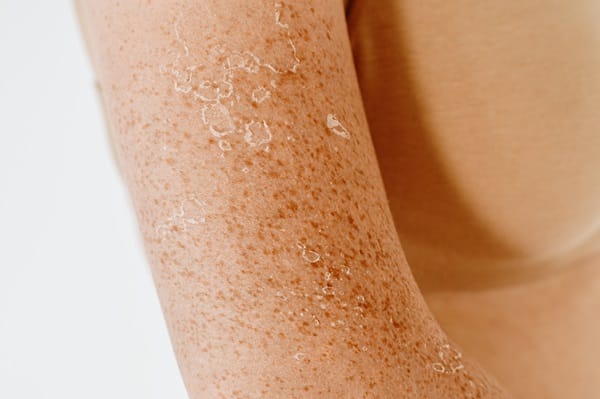
An unexpected rise in skin sensitivity can manifest in various ways, from heightened reactions to skincare products to increased sunburn susceptibility. This heightened sensitivity may present with symptoms like stinging, burning, or redness in response to triggers that previously posed no issue. Such a change can signal an alteration in the skin’s protective barrier or indicate an underlying condition such as rosacea, eczema, or allergic contact dermatitis. It’s essential for individuals experiencing these symptoms to consider any recent changes in their skincare routine, diet, or medications that might contribute to increased sensitivity.
The Bottom Line
The skin’s condition reflects the body’s internal health and should be monitored with the same diligence as any other aspect of physical well-being. This article has highlighted significant skin changes that warrant professional attention, emphasizing the need for individuals to become vigilant guardians of their health. While not all skin changes signify serious medical conditions, recognizing and responding to potential red flags can lead to early detection and treatment, ultimately safeguarding one’s health. It’s imperative to maintain regular check-ups with a dermatologist and to prioritize one’s skin health as a key component of overall health maintenance.