Contents
Kitchen Utensils And Appliances
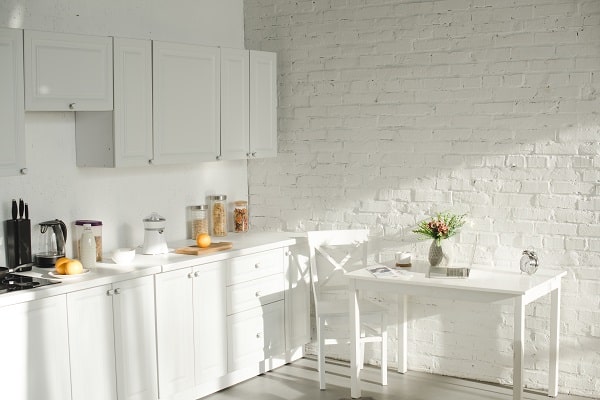
The kitchen, with its array of utensils and appliances, is a veritable minefield for seniors. Sharp knives left on counters, heavy pots and pans, and complex appliances can all lead to cuts, burns, or strains. Proper storage of knives in a block or on a magnetic strip can prevent accidental cuts when reaching for utensils. Similarly, storing heavy items at waist level allows for easier access without the risk of dropping them from a height.
Appliances with automatic shut-off features are a boon for senior safety, minimizing the risk of fire from stoves left on or irons that have not been turned off. Clear, simple instructions for appliance use can help seniors operate them safely, and regular checks should be made to ensure that safety features are functioning correctly. The kitchen should be a place of nourishment and enjoyment, not a hazard zone, and attention to the organization and maintenance of kitchenware is key to this.
Bathroom Accessories
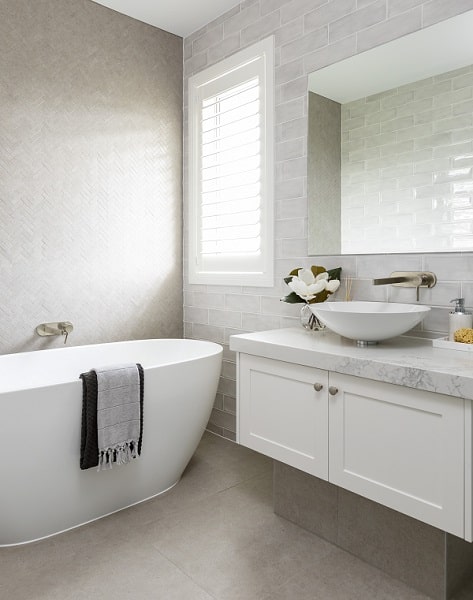
Bathrooms are particularly high-risk areas due to the combination of hard surfaces and moisture. Common items like soap dishes, toothbrush holders, and even the seemingly benign toilet brush can become hazards if they cause a senior to slip or lose their balance. Non-slip mats inside and outside the shower or tub, as well as on any tiled surfaces, are essential. Additionally, seniors should consider the installation of grab bars in strategic locations to provide support where needed.
Hot styling tools, such as hair dryers and curling irons, should be used with caution. They should always be placed on a heat-resistant surface after use and never left unattended while plugged in. To avoid scalding, it’s also crucial to check and adjust the settings on water heaters, ensuring that the temperature is not set too high. Simple adjustments and the right accessories in the bathroom can make daily routines both safe and comfortable for seniors.
Cleaning Chemicals And Tools
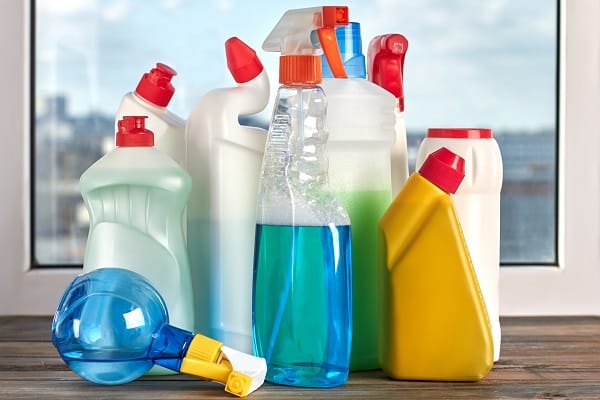
Cleaning products are a necessity for maintaining a hygienic home, but they can be dangerous if not used with care. Harsh chemicals can cause respiratory issues or skin burns if they come into contact with the skin or are inhaled. It’s advisable to use milder, non-toxic cleaning agents and to ensure that the area is well-ventilated during cleaning. Storing these products in clearly marked containers and in an easily accessible yet secure location will prevent confusion and accidental misuse.
The physical act of cleaning can also pose risks, as it often involves stretching, bending, and lifting. Lightweight cleaning tools with extendable handles can minimize the need to perform these potentially hazardous movements. Vacuum cleaners should be light enough to move comfortably, and mops and brooms should have long handles to avoid bending. By selecting the appropriate tools and products, seniors can maintain a clean home without compromising their safety.
Take Steps To Ensure Senior Safety At Home
In every corner of a senior’s home, from the kitchen to the bathroom, there are items that could pose risks if not managed with care. Awareness is the first step towards prevention. By making small adjustments, such as securing rugs, organizing cords, and choosing the right kitchen and bathroom accessories, the home can be a much safer environment for seniors. Encourage regular reviews of household items for potential risks and consider upgrades or changes that prioritize safety. It’s these proactive measures that can make all the difference in preventing accidents and maintaining independence.