Ensuring the safety of seniors at home involves more than just regular health check-ups and a comfortable living environment; it also requires a critical look at everyday household items. These items, often overlooked, can significantly increase the chances of accidents for the elderly. This article delves into the common yet potentially dangerous household items that could put seniors at risk, shedding light on the hidden hazards they present and offering practical solutions to enhance safety and prevent injuries. So, let’s take a closer look at what these items are and how you can make your home safer!
Throw Rugs And Loose Carpets
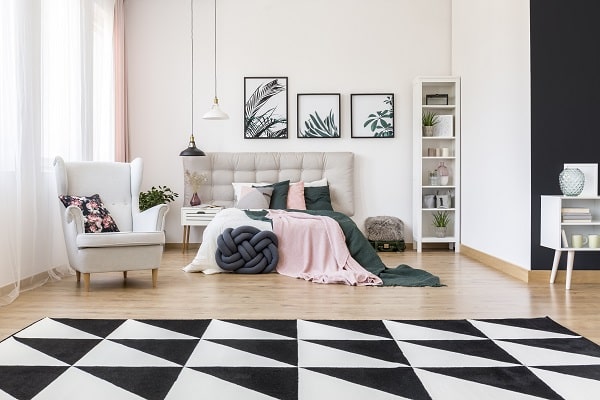
Throw rugs and loose carpets, while aesthetically pleasing and comfortable underfoot, are frequently responsible for trips and falls among seniors. These small floor coverings often lack the necessary grip, causing them to bunch up or slide, especially on hardwood or tile floors. The risk is compounded when these rugs obstruct high-traffic areas where seniors are likely to walk without paying special attention to their footing. To mitigate these risks, securing rugs with non-slip backings or double-sided tape is essential. Alternatively, removing these rugs or replacing them with safer flooring options can drastically reduce the likelihood of a fall.
In homes where throw rugs are cherished for warmth and comfort, regular checks and maintenance become crucial. Edges that curl up should be flattened or repaired, and any signs of wear that could compromise the rug’s stability should be addressed promptly. Educating seniors about the importance of cautious movement around these items can also play a significant role in preventing accidents. It’s not just about removing the hazards but also about fostering an environment where safety is a constant consideration.
Unstable Chairs And Tables

Furniture is meant to provide comfort and convenience, but when chairs and tables become unstable, they transform into safety hazards. Chairs that are too light can easily tip over when seniors rely on them for support, and tables that wobble can lead to spills, broken items, or worse, injuries if leaned upon. Regular inspection of furniture to ensure it is sturdy and in good repair is a simple yet effective way to prevent such accidents. Replacing unstable chairs with more robust options and securing loose table legs can make a significant difference in the safety of a living space.
Moreover, the choice of furniture style can impact safety. Chairs with arms can aid seniors in sitting down and standing up, reducing the risk of falls. Tables with rounded edges are preferable to those with sharp corners, which can cause serious injuries in the event of a stumble or fall. Ensuring that the furniture is appropriate for a senior’s mobility level is a key aspect of maintaining a safe home environment.
Electrical Cords And Plugs

Electrical cords and plugs are a common sight in any home, but their placement and condition can pose a severe risk to seniors. Cords that run across walkways or under rugs not only create tripping hazards but can also become fire risks if damaged or frayed. Organizing cords with clips and ties to keep them against walls and out of pathways is a straightforward solution. Encouraging the use of cordless appliances can also eliminate the need for long, trailing wires that can be easily overlooked.
The importance of proper cord maintenance cannot be overstated. Regularly checking for signs of wear and tear and replacing any damaged cords immediately helps prevent electrical hazards. Seniors should be reminded to unplug appliances when not in use, reducing the risk of electrical shorts and conserving energy. Simple habits, such as unplugging with the grip rather than tugging on the cord, can prolong the life of electrical items and maintain a safer living space.